Blog

10 Best Portable Air Compressors for Every Need

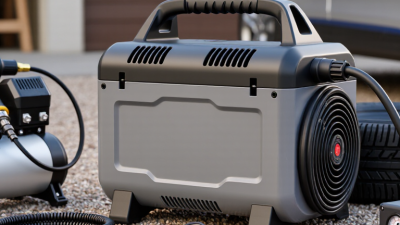
A portable air compressor can make a flat tire or low-pressure sports ball easier to handle, but the best choice depends on where and how you plan to use it. A driver topping up tires in a driveway has different needs from someone inflating air mattresses at a campsite or powering small pneumatic tools in a garage. Size matters. So do power source, inflation speed, hose length, and storage space.

This guide compares 10 options across practical needs, including emergency tire inflation, regular vehicle maintenance, travel, and light workshop tasks. It focuses on useful specifications, such as maximum pressure, airflow, duty cycle, gauge readability, and built-in overheating protection. These details help explain what a compressor can—and cannot—do. A high pressure rating alone does not guarantee fast inflation, and compact models may need cooling breaks during extended use. That trade-off is easy to overlook.

Before buying, check whether the unit runs from a vehicle outlet, a battery, or household power. Confirm that its connector suits your equipment, and use the vehicle manufacturer’s recommended tire pressure when inflating tires. Product specifications can change, so verify current details before purchase. We have not assumed every model suits every user; real-world needs vary, and advertised performance may depend on operating conditions. The goal is a clear starting point, not a promise that one compressor will handle everything. A little planning helps.
10 Best Portable Air Compressors for Every Need

What Portable Air Compressors Are and How They Work

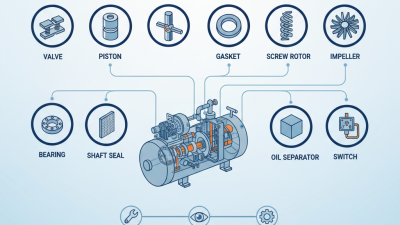
A portable air compressor converts electrical or engine power into stored, pressurized air. In common piston models, a motor moves a piston that draws room air through an intake valve and compresses it into a tank. Simple enough. A pressure switch stops the motor when pressure reaches its set limit, then restarts it as pressure drops. The tank provides a reserve, but it does not guarantee continuous airflow. A nailer and an inflator, for example, have different air demands. Compare a tool’s required airflow, measured in cubic feet per minute (CFM), at its working pressure, measured in pounds per square inch (PSI). Tank size mainly affects reserve; pump output affects how quickly pressure recovers. That difference is easy to miss.

The U.S. Department of Energy’s Improving Compressed Air System Performance sourcebook reports that compressed-air systems use about 10% of the electricity consumed by U.S. manufacturing. That figure describes industrial systems, not portable compressors. Still, it highlights why wasted air and poor efficiency matter. For portable models, check airflow ratings alongside pressure, and consider how often the pump must cycle during real use. The Compressed Air and Gas Institute’s performance-verification materials also emphasize measured airflow and power, not pressure alone. A small tank may handle brief bursts well, yet struggle during longer work. I would not judge a compressor by tank capacity alone.

Key Features to Consider When Choosing a Portable Air Compressor

Match airflow to the job, not just the maximum pressure printed on a specification sheet. Tire inflation usually needs less continuous airflow than running a nailer or airbrush. Check the required CFM at the stated PSI, then compare it with the compressor’s delivered airflow. Numbers can mislead. A high peak PSI does not guarantee that a tool will run smoothly.

Consider the power source and how you will use the compressor. A battery model suits quick tasks away from an outlet, while a corded model may better support longer sessions. For roadside inflation, check the cable or hose length; reaching all four tires without moving the unit saves hassle. Tank capacity and duty cycle matter for repeated jobs. A small tank may need frequent recovery pauses, and that can interrupt work.

Weight, noise, controls, and protection features affect everyday use. Look for a readable gauge, a stable base, accessible fittings, and thermal overload protection. Noise matters, too. If possible, hear the unit operating before buying; published sound figures can be hard to interpret in a busy workshop. I would also leave room for doubt about “portable”: a compact compressor can still feel awkward to carry with a hose and accessories. Check the total packed weight, and consider whether its maintenance needs, such as draining tank moisture, fit your routine.

Types of Portable Air Compressors and Their Best Uses

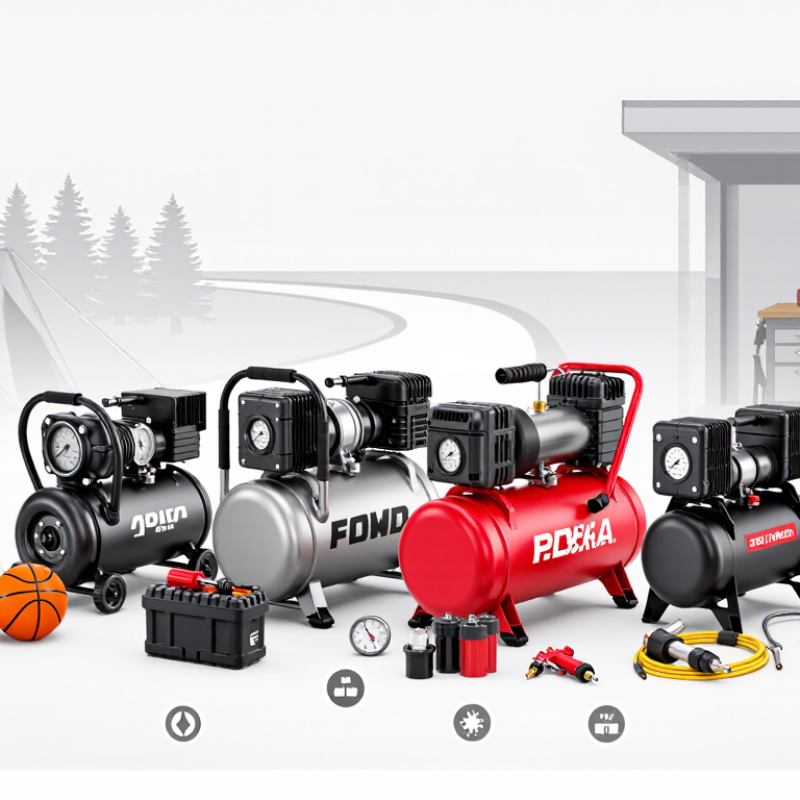
Portable air compressors differ mainly in tank size, airflow, and how easily they move. Pancake models sit low and stay stable, making them useful for trim nailers, tire top-ups, and small household repairs. Their compact tanks refill often during continuous work. Expect pauses.

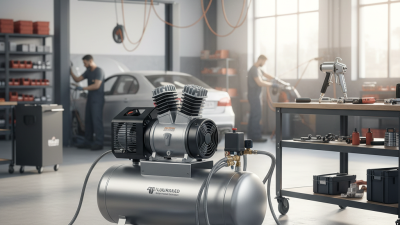
Hot-dog and twin-stack compressors offer a longer air reserve in a manageable shape. They suit brad nailers, staplers, and occasional blowing or inflating tasks around a garage. For roofing or framing, a wheelbarrow-style unit is easier to roll across rough ground and usually supports more demanding tools.

Check the tool’s required airflow, not just the compressor’s maximum pressure. A high pressure rating alone can be misleading.

Cordless inflators are best for topping up car or bicycle tires away from an outlet; they are not substitutes for shop compressors. Small job. Quick setup.

Oil-free models need less routine maintenance and work well for occasional home use, though they can sound harsh. Oil-lubricated units may suit frequent, heavier use, but require oil checks and a level operating surface.

I sometimes underestimate how much hose length matters: a compressor that reaches the work comfortably is often more useful than a larger tank parked across the room.

Ten Portable Air Compressors Compared by Need and Application

Portable compressors suit very different jobs, so output, power source, and recovery time matter more than appearance.

A cordless inflator is handy for topping up a bicycle tire at home. A compact 12-volt unit fits a car trunk for occasional tire pressure checks. For larger tires, a dual-cylinder 12-volt compressor can refill faster, though it may draw heavily on the vehicle battery. Check its duty cycle.

A pancake compressor offers a stable base for nailers and small repair tasks. A hot-dog design is easier to carry between rooms. Twin-stack models balance tank capacity with manageable size for trim work.

A quiet oil-free compressor is more comfortable in a garage or indoor workshop. An oil-lubricated unit may suit longer sessions, but it needs regular maintenance.

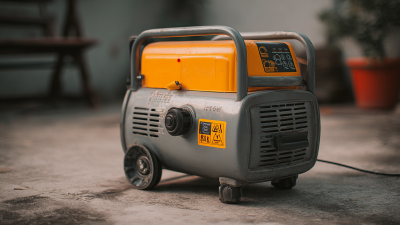
A lightweight trim compressor helps when moving between job sites. For frequent tool use, a wheeled high-capacity model reduces interruptions, but takes more storage space.

I would compare noise, hose fittings, and real refill times before buying. Specifications can be optimistic; that is easy to forget.

Safe Operation and Routine Compressor Maintenance

A portable compressor is safer when it sits on level ground with clear airflow around its motor. Check the power cord, hose, couplings, and tank for wear before switching it on. Secure the hose so it cannot whip if a fitting loosens. Wear eye protection, and keep the running unit away from rain and standing water. OSHA limits compressed air used for cleaning to less than 30 psi, with effective chip guarding and personal protective equipment. That limit is for cleaning, not the compressor’s normal operating pressure.

Routine care prevents small faults from becoming costly failures. Release tank pressure and disconnect power before servicing; let hot parts cool first. The U.S. Department of Energy’s Improving Compressed Air System Performance guide reports that leaks can waste 20–30% of compressor output in poorly maintained systems. Listen for a steady hiss, check fittings with soapy water, and replace damaged seals. Drain tank condensate as the manual directs, especially in humid conditions. A missed drain can invite corrosion.

Tips: Keep the intake filter clean, and record checks in a simple log. Don’t rush the inspection. A quick glance may miss a cracked hose, so flex it gently and examine the full length before use.