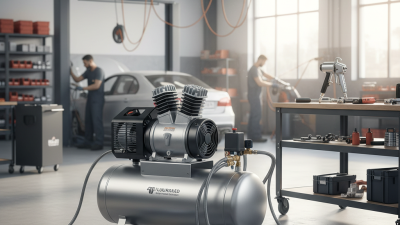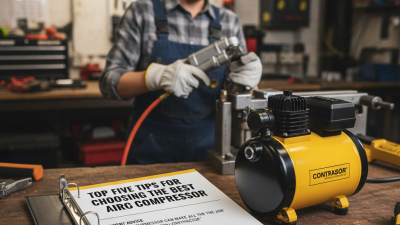
24 Hour ServiceChoosing the best portable air compressor starts with the work you actually do. A tire inflator for a compact car has different demands from a compressor powering a nail gun in a busy workshop. The right choice depends on more than the largest pressure number printed on the box. Check the required PSI and CFM for your tools, then compare those figures with the compressor’s rated output. A small mismatch can mean slow work, repeated pauses, or a tool that never performs as expected.
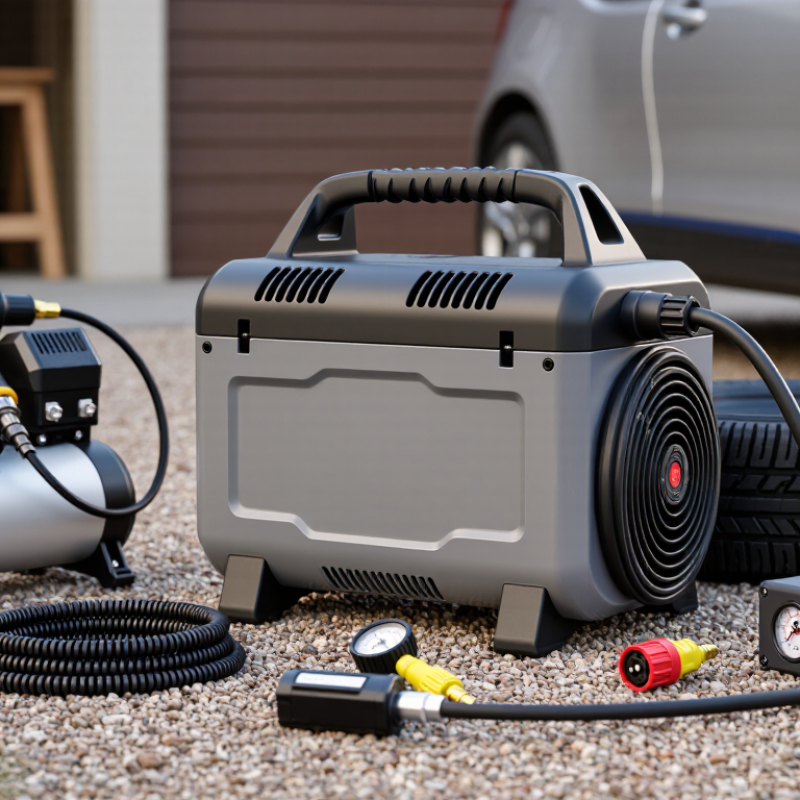
Portability matters in real conditions. Picture carrying the unit across a gravel driveway, fitting it beside a spare tire, or plugging it into a crowded garage outlet. Weight, tank size, noise, power source, and hose length all affect daily use. So does recovery time. These details are easy to overlook when product pages focus on peak pressure. They deserve attention.
A trustworthy guide should also distinguish tested specifications from marketing claims. No source article or verified interview was supplied here, so I cannot responsibly attach a quotation to a named portable air compressor expert. That gap matters. An invented expert quote might sound convincing, but it would weaken the advice. Use this guide to compare practical features, understand common trade-offs, and choose a compressor that fits your tasks—not just the most impressive label. Even then, the “best” model may involve compromise. A quieter unit can cost more; a larger tank can be less convenient to carry. Know what you can live with.
Choose a compressor by matching its delivered airflow to the tools you will actually use. Check each tool’s required CFM at its working PSI, then consider how long it runs and whether several tools may operate together. A tire inflator needs brief bursts; a blow gun or impact wrench may demand more sustained airflow. Compare CFM ratings at the same pressure, since a high free-air rating can look impressive but tell you little about performance at your tool’s operating pressure. Not just tank size. The tank stores air, but it cannot make up for a compressor that continually delivers too little.
The U.S. Department of Energy’s Improving Compressed Air System Performance sourcebook reports that leaks can waste 20–30% of compressor output in industrial systems. That figure is not a sizing rule for portable units, but it shows why leaks and poor connections can undermine available airflow. Check hoses, couplers, and fittings, especially if pressure drops during use. I would also allow some breathing room above the tool’s stated demand, while avoiding an oversized unit that adds unnecessary weight. Real workloads are messy; one short test with your tools can reveal more than a tidy spec sheet.
Portable air compressors differ in size, airflow, and power source. A compact tire inflator suits topping up car tires, bike tires, or sports equipment. It is easy to store, but usually cannot run air tools. Check its maximum pressure and how long it can operate before cooling.
Cordless models offer freedom from outlets and vehicle sockets. Their runtime depends on battery capacity, temperature, and workload. A small tank compressor, by contrast, stores air for brief bursts and can handle tasks like pin-nailing or light cleaning. For steady tool use, compare airflow ratings at the required pressure, not just the advertised maximum PSI. Small details matter.
Tips: Match the compressor to the tool’s CFM requirement. Leave a margin if you expect repeated use. Check charging time, hose length, noise level, and any stated duty cycle. A unit that looks powerful on paper may pause often in real work.
Think about where you will use it. A car trunk favors a light inflator with a clear pressure gauge. A garage setup may benefit from a tank and a longer hose. I would not choose by size alone; compact is convenient, but sometimes inconveniently slow.
| Compressor Type | Typical Power Source | Typical Tank Size | Typical Maximum Pressure | Typical Airflow at 90 PSI | Best Suited For | Key Considerations |
|---|---|---|---|---|---|---|
| 12-volt tire inflator | Vehicle 12 V outlet or battery clamps | No storage tank | Often 100–150 PSI | Usually not published; output varies substantially with pressure | Inflating car, bicycle, and light-truck tires; roadside use | Compact and convenient, but generally too low in sustained airflow for air tools. Check the recommended duty cycle and allow cooling as directed. |
| Cordless portable compressor | Rechargeable battery pack | Tankless or a small tank, commonly around 1–2 gallons | Often about 90–150 PSI | Model-dependent; check the rated CFM at the required pressure | Small trim nailers, touch-up tasks, and locations without an outlet | Portable and easy to set up, but runtime and tool compatibility depend on battery capacity and airflow demand. |
| Pancake compressor | Household AC outlet, commonly 120 V | Commonly 3–6 gallons | Often about 120–150 PSI | Roughly 2–3.5 CFM | Nailers, inflation, and intermittent brad or finish-nailing work | Stable, compact tank design; many models are relatively noisy. Confirm that the outlet and circuit meet the compressor’s requirements. |
| Hot-dog compressor | Household AC outlet, commonly 120 V | Commonly 1–6 gallons | Often about 120–150 PSI | Roughly 2–4 CFM | General home repairs, inflation, and intermittent pneumatic-tool use | Horizontal tank is easy to carry and store; weight, noise, and delivered airflow vary by tank and motor size. |
| Twin-stack compressor | Household AC outlet, commonly 120 V | Commonly 2–4 gallons across two tanks | Often about 120–150 PSI | Roughly 3–5 CFM | Multiple nailers and more frequent intermittent tool use | Can offer more stored air and airflow than many small single-tank units, while remaining portable; it may be heavier and louder. |
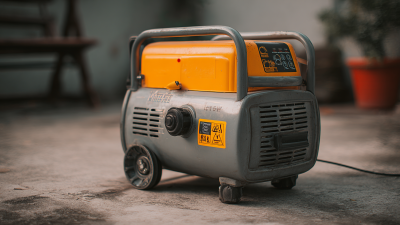
| Gas-powered portable compressor | Gasoline engine; no electrical outlet required | Varies; some models are tankless or use a small receiver tank | Model-dependent, commonly around 100–175 PSI | Model-dependent; consult the rated CFM at working pressure | Outdoor work sites and locations without reliable electrical power | Useful away from outlets, but produces exhaust and requires outdoor operation, fuel, and engine maintenance. Never operate in an enclosed space. |
Selection tip: Match the compressor’s delivered CFM at the tool’s required PSI—not just its maximum PSI—to the tool’s needs. Figures above are general ranges; specifications vary by model, and manufacturers may use different test conditions.
A portable compressor should match the work, not just look compact on a shelf. Tank capacity affects how long the unit can supply air before its motor restarts. For occasional tire inflation, a small tank may be enough. Running a nailer repeatedly or inflating several tires can demand more reserve. A larger tank can reduce frequent cycling, but it also adds weight. Check the compressor’s listed weight and handle placement; a few extra pounds feel different when carrying it up stairs. Numbers can mislead.
Pressure, usually listed in PSI, tells you how much force the compressor can deliver. Airflow, measured in CFM, indicates how much air it can provide over time. Compare the tool’s required CFM at its stated pressure with the compressor’s output at that same pressure. A high maximum PSI does not automatically mean strong airflow. For tools used in bursts, a modest airflow rating may work; continuous sanding or spraying generally needs more sustained delivery. Also check the duty cycle, which describes how long the motor can run before it needs a break. It is easy to overlook this detail, and that mistake can make a capable-looking compressor frustrating in real use.
Compare airflow at 90 PSI alongside tank capacity and maximum pressure. These representative configurations are illustrative; actual specifications vary by compressor.
| Representative configuration | Tank capacity | Maximum pressure | Airflow at 90 PSI |
|---|---|---|---|
| Compact portable | 1 gal | 135 PSI | 2.0 CFM |
| Pancake-style portable | 6 gal | 150 PSI | 2.6 CFM |
| Portable horizontal tank | 4.5 gal | 135 PSI | 3.0 CFM |
| Portable twin-stack | 4 gal | 135 PSI | 4.1 CFM |
Choose a compressor that meets your tool’s required PSI and delivers enough CFM at that pressure. Tank capacity affects stored air and cycling frequency, but it does not replace adequate airflow for continuous-use tools.
A portable air compressor is only useful if you can move it safely between the vehicle and the work area. Check its actual weight, handle position, and whether its wheels can cross gravel or door thresholds. A compact unit may still feel awkward on stairs. Small details matter. For frequent lifting, compare the loaded weight, not just the product dimensions. Also match the compressor’s delivered airflow at the pressure your tool requires; tank size alone does not tell you how long it can keep a nailer or inflator working.
Noise matters when people share a small workshop or when work continues near occupied spaces. Check the stated sound level, but remember that distance, walls, and room shape affect what people hear. “Quiet” is not the same as harmless; use hearing protection when exposure calls for it. On site, confirm that the power supply can support the compressor and that the hose reaches the work without creating a trip hazard. Dust, damp ground, and limited outlets can change what feels like a suitable choice. Test it loaded. A compressor that performs well in a showroom may cycle often with a demanding tool, and that can be frustrating. A little extra capacity helps, though carrying unnecessary weight has its own cost.
Before buying, check for a pressure-relief valve, thermal overload protection, and an easy-to-read gauge. These features help reduce risks from excess pressure or overheating. Confirm the compressor’s maximum pressure matches your tools, and inspect the hose and fittings for secure connections. Keep the unit stable and follow its manual; safety features cannot replace careful use. Small details matter.
Maintenance needs depend on the design. For a tank-equipped model, drain collected moisture after use to help limit corrosion. Check the air filter and hose regularly, and follow the maker’s service schedule. Oil-free units may need less routine care, but they still require inspection. It is tempting to treat a long warranty as proof of durability, but that shortcut can mislead. Read what the warranty covers, including labor, parts, and exclusions, and confirm how repairs are handled.
Tips: Keep the manual nearby and note service dates. Before each session, check the gauge, power cord, and fittings. If anything looks damaged, stop and consult the manual rather than guessing.