
 24 Hour Service
- 800.825.3222
- Now Hiring
- Request A Quote
7 Tips for Choosing a Rotary Screw Air Compressor?
Choosing a rotary screw air compressor is rarely as simple as comparing horsepower and purchase prices. The right unit must match your production schedule, air demand, pressure requirements, and working environment. A compressor that looks efficient in a showroom may struggle beside a dusty press line or during a sudden shift change.
Hank Van Ormer, a respected compressed-air consultant, often states, “Compressed air is the fourth utility.” His warning is practical. Energy, maintenance, and downtime can cost more than the original machine. This guide introduces seven useful tips for selecting a rotary screw air compressor with greater confidence. It considers real operating conditions, not just catalog figures.
Start with your demand profile. Record pressure, flow, shift patterns, leaks, and peak consumption. Check whether the plant needs constant air or frequent cycling. A variable-speed drive may help with fluctuating demand, while a fixed-speed model can suit stable production. Neither option is automatically better.
Review air quality requirements under ISO 8573-1. Oil carryover, moisture, and particles can damage sensitive equipment. Examine motor efficiency, cooling design, controls, noise, service access, and available parts. Ask for measured performance data at your actual pressure. Marketing claims need verification.
A lower purchase price can feel sensible. It can also become an expensive mistake. Some recommendations remain incomplete without three-phase power details, ambient temperature, and receiver capacity. That is why this article also encourages supplier comparisons, lifecycle-cost estimates, and honest maintenance feedback. No checklist replaces measurements, but a careful checklist can expose problems early.
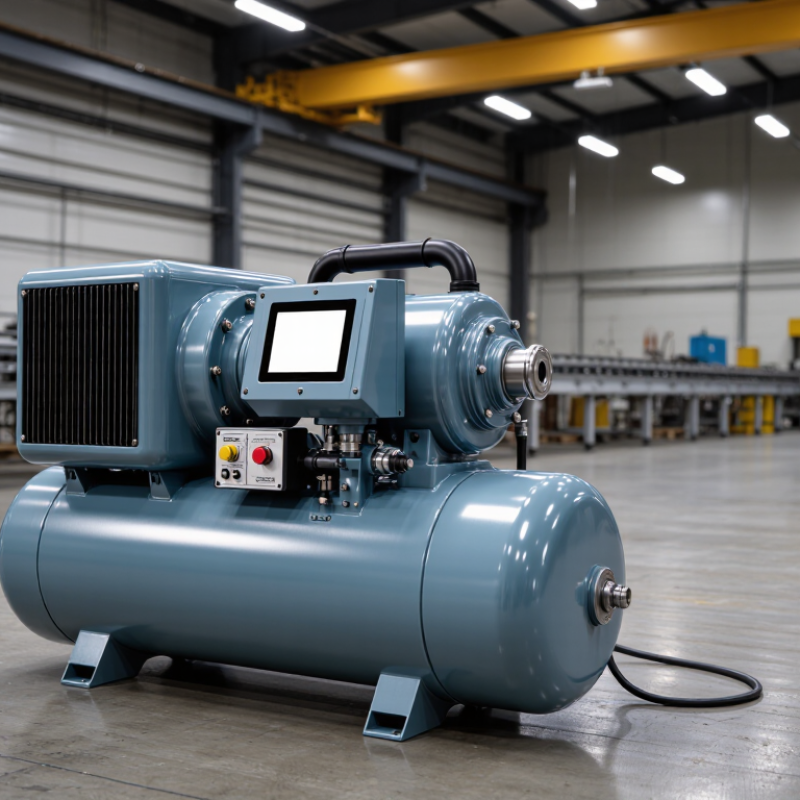
Define Your Compressed Air Requirements and Operating Conditions
Choosing a rotary screw air compressor starts with measured demand, not motor horsepower. Record flow in cubic feet per minute, required pressure, operating hours, and the highest short-term demand. Use free air delivery values tested under ISO 1217 conditions. A system needing 450 CFM at 100 psig may perform poorly with a compressor rated only at peak laboratory conditions.
Measure the air profile across a normal production week. Install temporary flow and pressure logging if demand changes between shifts. Check ambient temperature, altitude, dust, humidity, and available ventilation. These details affect compressor output and cooling performance. The U.S. Department of Energy reports that compressed air can represent about 10% of industrial electricity use, while inefficient systems may lose 20–30% of compressor output through leaks. Small leaks matter.
Air quality also defines the equipment package. Food, pharmaceutical, and electronics processes may require specific filtration and drying standards. Confirm pressure dew point requirements before selecting a dryer. A higher pressure setting is not harmless; DOE guidance notes that pressure increases can raise energy use significantly. A larger compressor feels safe. It can be an expensive mistake. Oversizing may cause frequent unloaded operation, especially when demand stays low overnight. Review measured data with a qualified compressed-air specialist, then allow modest capacity for expansion. Do not guess twice.
| Tip | Requirement or Operating Condition | Typical Engineering Data | Why It Matters | Selection Guidance |
|---|---|---|---|---|
| 1 | Required Airflow |
Determine the maximum simultaneous demand in SCFM or m³/min. Typical plant demand: 100–1,000 SCFM (2.8–28.3 m³/min). |
A compressor that is too small cannot maintain pressure during peak demand. Oversizing can increase capital cost and cause inefficient load/unload cycling. | Base the selection on measured or calculated peak flow. Add approximately 10–15% capacity for short-term demand variation and future requirements. |
| 2 | Required Working Pressure | Common plant pressure settings are 7–10 bar(g) (100–145 psig). Many pneumatic tools operate near 6.3 bar(g) (90 psig). | Higher pressure generally requires more compressor power. Excessive pressure can also increase leakage and air consumption. | Select the lowest pressure that satisfies the most demanding end-use device, including pressure losses in dryers, filters, piping, and hoses. |
| 3 | Duty Cycle and Load Profile | Rotary screw compressors are commonly used for continuous or high-duty operation, including applications running more than 4,000–8,000 hours per year. | Variable demand affects energy consumption, motor temperature, control performance, and service intervals. Intermittent demand may not justify a continuously running unit. | Compare average load, peak load, operating hours, and shift pattern. Consider variable-speed control when demand regularly fluctuates. |
| 4 | Air Quality and Oil Content | General industrial air may use an oil-injected compressor with filtration. Critical processes may require ISO 8573-1 specifications for particles, water, and oil. | Contaminated compressed air can damage instruments, spoil products, block valves, and create safety or regulatory problems. | Define the required air-quality class before choosing the compressor. Add appropriate aftercoolers, separators, filters, and dryers; use oil-free technology where the process requires it. |
| 5 | Ambient Temperature and Cooling | Typical design ambient conditions are approximately 5–40°C (41–104°F). Hotter rooms reduce cooling efficiency and may require ventilation upgrades. | High ambient temperature increases discharge temperature and can trigger thermal protection or shorten lubricant and component life. | Confirm the compressor's rated ambient range. Provide adequate room ventilation, avoid recirculating hot exhaust air, and consider water-cooled equipment for demanding conditions. |
| 6 | Installation Conditions and Power Supply | Check altitude, dust, humidity, available voltage, phase, and frequency. Industrial supplies commonly include three-phase systems such as 400 V / 50 Hz or 460 V / 60 Hz. | High altitude reduces air density and cooling performance. Incorrect electrical specifications can cause motor overheating, nuisance trips, or failed startup. | Provide site data before ordering. Derate airflow or motor capacity when required for altitude and verify electrical protection, cable sizing, and short-circuit ratings. |
| 7 | Receiver Capacity and Future Expansion | A common starting point for receiver sizing is approximately 3–5 gallons per SCFM (12–20 liters per SCFM), subject to the demand profile and control method. | A receiver stores compressed air, reduces rapid pressure fluctuations, supports short peak demands, and helps reduce unnecessary compressor cycling. | Size the receiver with the compressor controls, peak demand, allowable pressure drop, and local regulations in mind. Reserve approximately 10–20% space for planned expansion when practical. |
Related Posts
-
How to Choose the Best Air Compressor for Your Shop?
-
10 Best Screw Compressor Brands for Global Buyers?
-
Top Rotary Compressor Manufacturers and Suppliers
-

Real World Applications of Rotary Screw Air Compressors in Various Industries
-
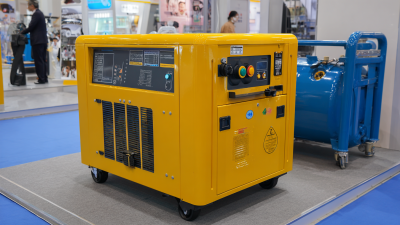
Exploring Portable Air Compressor Innovations at the 2025 China Import and Export Fair
-

Maximize Efficiency: How a Gas Air Compressor Transforms Your Workshop Experience