Why You Need a Food Thermometer for Perfect Cooking?
Cooking is an art, and precision is key. One tool that can elevate your culinary skills is a Food Thermometer. Many home cooks rely on intuition and guesswork, but this often leads to inconsistent results. Understanding how to use a Food Thermometer can make a significant difference in the quality of your meals.
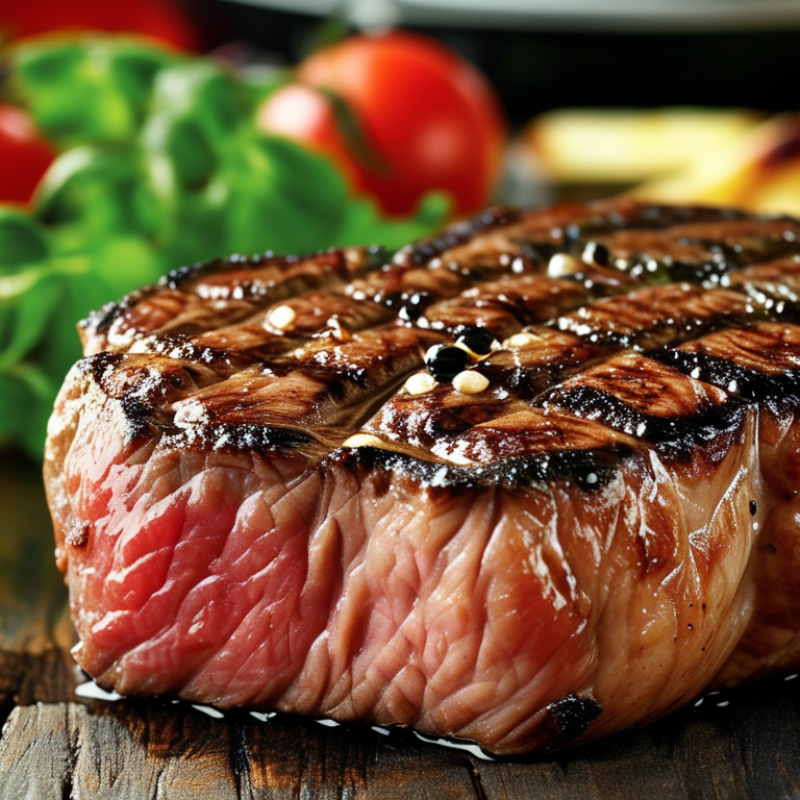
Food safety is essential, and undercooked dishes can lead to health risks. A Food Thermometer ensures your meats and poultry are cooked thoroughly. Imagine enjoying a perfectly cooked steak, tender and juicy, because you monitored its internal temperature. This simple device takes the guesswork out of cooking.
Yet, not everyone uses a Food Thermometer. Some fear it complicates their process. However, it truly enhances your cooking confidence. Experimenting with different dishes becomes less daunting. With a Food Thermometer in hand, you can trust your instincts and take your culinary creations to the next level.
The Importance of Accurate Temperature in Cooking
When it comes to cooking, accuracy is key. A food thermometer takes the guesswork out of determining when meat is perfectly cooked. Undercooking can lead to foodborne illnesses, while overcooking often results in dry, tasteless dishes. Using a thermometer ensures that you reach the safe internal temperatures for different types of food.
Many people think they can tell if food is cooked by simply looking at it. However, color and texture are unreliable indicators. Even experienced cooks can struggle with this. For example, chicken can appear well-cooked on the outside but remain unsafe inside. A thermometer provides a definitive answer and can elevate your cooking game.
It's important not to rush through cooking. Take the time to check your food's temperature, especially with large cuts of meat. This can be an area for improvement, as many may overlook this step. Achieving perfect cooking is about mindfulness and precision, which ultimately leads to better meals and happier diners.
Why You Need a Food Thermometer for Perfect Cooking? - The Importance of Accurate Temperature in Cooking
| Food Type | Recommended Temperature (°F) | Common Issues with Improper Temperatures |
| Chicken | 165 | Risk of salmonella and undercooking |
| Beef (Ground) | 160 | Risk of E. coli contamination |
| Pork | 145 | Risk of trichinosis if undercooked |
| Fish | 145 | Risk of parasites if not cooked properly |
| Eggs | 160 | Risk of salmonella if not cooked |
Types of Food Thermometers and Their Uses
Food thermometers are essential tools for achieving perfect cooking results. There are different types available, each suited for various cooking scenarios. Digital thermometers provide quick readings, making them ideal for meats and poultry. In a survey by the USDA, 75% of participants reported improved cooking outcomes using these devices. The instant-read thermometer is appreciated for its speed, registering temperatures in mere seconds. It is perfect for checking the doneness of steaks and chops.
Probe thermometers offer precise monitoring during long cooking processes, such as roasts. These can remain in the food while it cooks, allowing for continual temperature checks. According to a study published by the National Institute of Food Science, undercooked poultry led to a 40 percent increase in foodborne illnesses. Using a probe can help avoid this risk.
Infrared thermometers are also noteworthy, especially for surface temperatures. These are useful for checking the heat of grill grates or deep fryer oil. However, they do not measure the internal temperature of food. Users sometimes overlook this distinction. This emphasizes the importance of understanding the strengths and limitations of each type. Proper use of food thermometers can elevate culinary skills and improve safety in food preparation.
How to Properly Use a Food Thermometer
A food thermometer is an essential tool in the kitchen. Properly using one ensures that meats and other dishes reach safe temperatures. This practice minimizes the risk of foodborne illnesses. When cooking chicken, for example, the internal temperature should hit 165°F. This guarantees that harmful bacteria are eliminated.
Using a food thermometer is straightforward. Insert it into the thickest part of the meat without touching bone. This location gives the most accurate reading. Avoid opening the oven door frequently. Each time you do, heat escapes, leading to cooking inconsistencies. Watching the temperature steadily rise is rewarding, but patience is necessary.
Sometimes, beginners might take the thermometer's readings too quickly. It’s crucial to wait for the indicator to stabilize. Checking too early can lead to false results. Regularly calibrate your thermometer too. A slight difference can affect how well your dishes turn out. Cooking is an art, but accuracy is key to perfection.
Common Cooking Temperatures for Different Foods
Using a food thermometer is essential for achieving perfectly cooked meals. Different foods require specific temperatures to ensure safety and flavor. For instance, poultry should reach an internal temperature of 165°F to eliminate harmful bacteria. Ground meats, such as beef or pork, require a minimum of 160°F. Not reaching these temperatures can lead to foodborne illnesses, which can be severe.
When cooking fish, aim for 145°F. This ensures the flesh is opaque and separates easily with a fork. For medium-rare steaks, a temperature of 135°F is ideal. It's interesting to note that many home cooks often underestimate these temperatures. They rely on visual cues, which can be misleading. A thermometer provides certainty that the food is safe.
Vegetables, while they don’t carry the same risks, should also be cooked to ideal tenderness. Many vegetables are perfect at 135°F to 145°F. Cooking them too long can destroy nutrients and flavor. In cooking, it’s crucial to find the balance between safety and taste. Embracing the use of a food thermometer can lead to better meals and greater confidence in the kitchen.
Tips for Maintaining and Storing Your Food Thermometer
Storing and maintaining your food thermometer is crucial for reliable temperature readings. Always keep it clean to prevent cross-contamination. After each use, wash the probe with hot, soapy water. Rinse thoroughly and dry it with a clean cloth. A clean thermometer ensures accurate readings and safer cooking.
When storing, keep your thermometer in a protective case if possible. This will prevent damage to the probe. Avoid placing it in areas where it can be exposed to high humidity or extreme temperatures. Such conditions can compromise its functionality over time. Regularly check the calibration. An uncalibrated thermometer can lead to undercooked or overcooked food, which is a risk to safety and taste.
It might be tempting to toss the thermometer in a drawer without care. However, proper handling can prolong its lifespan. Consider designating a specific spot for your thermometer. This approach not only keeps it safe but also ensures you can find it easily when cooking. Remember to check the battery if it’s digital. A dead battery can thwart your cooking plans at the last minute.

 24 Hour Service