
24 Hour ServiceWhy Is Substation Equipment Important? The answer begins with a quiet, practical fact: electricity must be controlled before it can travel safely and reliably through the grid. Substation Equipment performs that work. Transformers adjust voltage; circuit breakers interrupt fault current; disconnect switches isolate sections for maintenance. Protective relays detect abnormal conditions and signal breakers to act. Each component has a specific job. Together, they help keep power flowing to homes, hospitals, factories, and transport systems.
John D. McDonald, an IEEE Fellow known for his work in substation engineering, has written extensively about substation design and automation. A concise paraphrase of the engineering principle behind that work is: “A dependable substation depends on equipment that can monitor, control, and isolate the power system.” This is a paraphrase, not a verified direct quotation. The distinction matters. Trustworthy technical writing should not present invented wording as an expert’s exact words.
The importance becomes visible during a fault. A relay detects a problem, and a breaker opens before damage spreads. On site, careful equipment selection also affects maintenance access, operating safety, and future upgrades. Ratings, environmental conditions, testing, and coordination all matter. A transformer chosen only by its nameplate may not suit the actual load or installation. Small details can have large consequences.
Still, equipment alone cannot guarantee reliability. Poor maintenance, incorrect settings, or weak system planning can undermine even high-quality components. That part deserves honest attention. Understanding Substation Equipment means looking beyond a list of devices and asking how each one performs, interacts, and holds up over time.
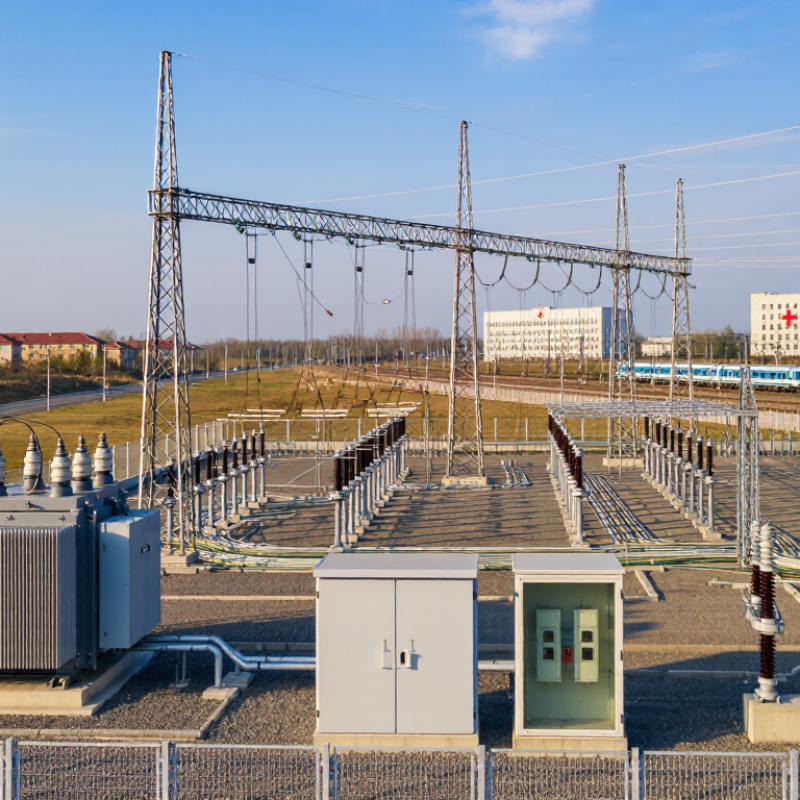
An electrical substation connects parts of the power network and controls how electricity moves between them. Its equipment helps manage voltage, isolate faults, and keep maintenance work safer. The layout varies with voltage and site needs, but several components are common.
Power transformers change voltage between transmission and distribution levels. Circuit breakers interrupt current during faults; disconnect switches provide a visible isolation point when equipment is de-energized. Busbars carry power between incoming and outgoing circuits. Instrument transformers measure current and voltage, while protective relays use those measurements to signal breakers when abnormal conditions arise. Control panels, communication systems, and station batteries support monitoring and tripping functions. Small parts matter. A loose connection or weak battery can undermine otherwise substantial equipment.
The International Energy Agency’s Electricity Grids and Secure Energy Transitions report estimates that 80 million kilometres of grids must be added or refurbished by 2040. It also says annual grid investment needs to rise above $600 billion by 2030. These are network-wide estimates, not substation-only figures, but they show why dependable substations matter. Equipment selection and inspection must match actual operating conditions. A tidy equipment list alone cannot reveal every weakness.
Substation equipment controls power flow by changing voltage, switching circuits, and responding to changing demand. Power transformers raise voltage for efficient transmission or lower it for local distribution. Circuit breakers and disconnectors can isolate a faulted line, while busbars direct electricity between circuits. Protective relays monitor current and voltage, then signal breakers to act when readings exceed safe limits. Small changes matter. A transformer’s tap changer, for example, can adjust voltage as loads shift through the day.
Operators coordinate these devices using measurements from sensors and control systems. Capacitors and reactors can help manage voltage, while switching equipment routes power around maintenance or faults. The International Energy Agency’s 2023 report, Electricity Grids and Secure Energy Transitions, says annual grid investment must rise from about $300 billion to more than $600 billion by 2030. That need reflects expanding and modernizing networks, including substations. Yet automation is not infallible: bad sensor data or delayed maintenance can distort decisions. A control room cannot see everything.
Tips: Check transformer temperature, unusual humming, and relay alarms during inspections. Confirm that protection settings match the equipment and operating plan. Record changes; small discrepancies are easy to overlook.
A substation helps control how electricity moves from power lines to local networks. Transformers adjust voltage so power can travel efficiently and then reach homes and businesses at usable levels. Circuit breakers and protective relays respond when equipment detects abnormal current or a fault. They isolate the affected section before damage spreads across more of the grid. Fast action matters.
Substations also support steady service by helping operators monitor voltage, current, and equipment condition. A relay can send an alert when readings change, while a breaker can disconnect a faulty circuit in milliseconds. During routine inspections, technicians may look for heat discoloration, loose connections, unusual sounds, or oil leaks. Small details matter. These checks can reveal developing problems, though no inspection catches every fault in advance. A hot connector, for example, may look minor but can worsen under heavy demand. Careful maintenance and testing help reduce outages and make repairs more targeted. Reliable service depends on sound equipment, clear operating procedures, and people who act on what the equipment reports.
Why Is Substation Equipment Important?
Why Is Substation Equipment Essential to Public Safety?
Substations manage high-voltage electricity near homes, roads, and workplaces. Their protective equipment helps prevent faults from becoming fires, dangerous contact, or wider outages. Relays detect abnormal current. Circuit breakers then isolate affected sections, while grounding systems guide fault current safely into the earth. Fences, interlocks, and warning signs also help keep the public away from energized areas. Small details matter: a damaged insulator or a corroded connection can create a serious hazard.
The scale of electrical risk is clear, though the figures below are not specific to substations. NFPA’s report Electrical Fires in U.S. Homes estimated an annual average of 32,620 home fires involving electrical distribution or lighting equipment from 2015 to 2019. Those fires caused an estimated 440 civilian deaths each year. NERC’s 2024 State of Reliability examines reportable grid disturbances, including events involving protection-system misoperations. That scrutiny matters because a failed relay or breaker may leave equipment energized when people expect it to be isolated. No system is flawless. Routine testing, thermal inspections, and clear maintenance records can reveal problems, but a checklist alone cannot replace careful field judgment.
| Equipment | Safety Role | Hazard It Helps Reduce | Typical Inspection Focus |
|---|---|---|---|
| Power transformer | Changes voltage levels so electricity can be transmitted and distributed safely and efficiently. | Overheating, insulation failure, and fire risk associated with damaged or overloaded equipment. | Temperature, oil condition where applicable, leaks, unusual noise, and signs of overheating. |
| Circuit breaker | Interrupts current when a fault occurs, isolating affected equipment or part of the network. | Electrical faults escalating into equipment damage, fire, or wider service interruptions. | Operating mechanism, trip operation, contact condition, and signs of wear or damage. |
| Protective relay | Detects abnormal electrical conditions and signals circuit breakers to disconnect the affected section. | Faults remaining energized and causing damage or unsafe conditions to persist. | Settings, event records, alarm status, and functional testing according to the maintenance plan. |
| Grounding system | Provides a path for fault current and helps limit dangerous voltage differences around substation equipment. | Electric shock from hazardous touch or step voltages during certain fault conditions. | Connections, corrosion, physical damage, and grounding-system test results. |
| Surge arrester | Limits voltage surges, such as those caused by lightning or switching, by diverting surge energy to ground. | Insulation damage and equipment failure caused by transient overvoltages. | Cracks, contamination, connection condition, and signs of discharge or deterioration. |
| Current and voltage transformers | Provide scaled electrical measurements for protection, monitoring, and control systems. | Incorrect fault detection or unsafe equipment operation caused by unreliable measurements. | Insulation condition, connections, leakage where applicable, and measurement or alarm abnormalities. |
| Fire detection and suppression systems | Identify fire conditions and support an appropriate response to protect people and limit damage. | Fire spreading to nearby equipment or creating additional hazards for workers and the public. | Detector and alarm operation, system availability, access, and inspection records. |
| Station batteries and DC supply | Provide backup power for protection, control, alarms, and breaker operation when normal station power is unavailable. | Protection or switching functions becoming unavailable during an outage or emergency. | Battery condition, charger operation, connections, alarms, and capacity-test results. |
Substation equipment stays dependable through routine maintenance, not appearance alone. Technicians inspect bushings for cracks, check connections for heat discoloration, and look for oil leaks around transformers. Infrared scans can reveal hot joints before they fail. Relay tests confirm protective settings respond as intended. Small faults matter.
Maintenance records help teams spot patterns, such as a breaker that needs adjustment more often than expected. Oil sampling can identify moisture or insulation breakdown inside a transformer. Cleaning insulators and checking corrosion also reduce avoidable outages, especially in dusty or coastal locations. These tasks require trained staff, approved procedures, and careful isolation of equipment. A missed detail can undo a good inspection.
Upgrades extend equipment life when parts become unreliable or controls no longer meet operating needs. Replacing aging protection relays may improve fault detection and provide clearer event records. Digital monitoring can show temperature, load, and operating trends, but sensors do not replace physical checks. New components must work with existing ratings, protection schemes, and control systems. Commissioning tests are essential. In practice, upgrade plans can be imperfect; schedules and budgets shift, and old drawings may be incomplete. Recording changes and reviewing results after energization help close those gaps.