
Blog

Why Choose a 90 Degree Long Radius Elbow?

A 90° Long Radius Elbow is often selected when a piping system needs a right-angle turn without an abrupt change in direction. Its centerline radius is typically 1.5 times the nominal pipe diameter, creating a broader curve than a short-radius elbow. That geometry can help reduce turbulence and pressure loss, though actual performance depends on flow rate, fluid properties, pipe size, and system layout. Small details matter. A rough weld, poor alignment, or unsuitable material can undermine the benefit.

George A. Antaki, a recognized piping-engineering author, has written extensively about piping design and integrity. I can’t verify a verbatim quotation from him on this specific fitting, so I won’t invent one. A practical takeaway from his engineering work is that components must be judged within the whole system—not by shape alone. That distinction is easy to overlook.

When comparing elbows, engineers should check the applicable design code, material grade, wall thickness, pressure and temperature limits, and connection type. They should also consider inspection access and installation space. A long-radius elbow may occupy more room, and it is not automatically the right choice for every line. Think of a crowded pump room: a smoother bend helps only if the piping still fits, drains correctly, and can be maintained. That deserves a second look. Before specifying a 90° Long Radius Elbow, confirm the operating conditions and procurement requirements with qualified project personnel.
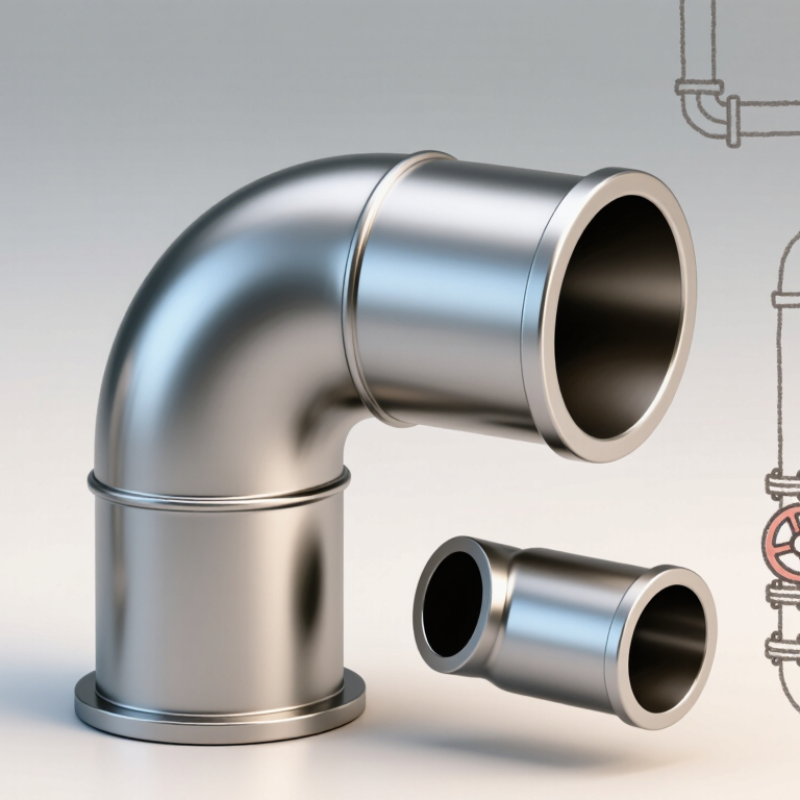
Why Choose a 90 Degree Long Radius Elbow?

What Is a 90-Degree Long Radius Elbow?

Why Choose a 90 Degree Long Radius Elbow?

What Is a 90-Degree Long Radius Elbow?

A 90-degree long radius elbow is a pipe fitting that redirects flow through a quarter turn. Its centerline bend radius is commonly about 1.5 times the nominal pipe size, though exact dimensions depend on the fitting standard. The curve changes direction more gradually than a short-radius elbow. That matters. Under comparable conditions, it can reduce abrupt flow disturbance and pressure loss, but results depend on fluid, flow rate, pipe surface, and system layout.

You may find these elbows in process piping, water lines, and HVAC systems where space allows a wider bend. The longer curve needs more room, so it may not suit a tight installation. It is not automatically the best choice. I have seen selection focus on pressure loss while overlooking clearance and support needs; that trade-off deserves a second look. Check the fitting material and dimensions against the pipe and service conditions.

Tips: Confirm the centerline radius on the drawing. Check carefully. Allow room for installation and nearby supports. When performance is critical, consult a qualified piping engineer.

How Its Geometry Guides Pipe Direction Changes

A 90-degree long-radius elbow changes a pipe’s direction through a broad curve rather than a tight corner. Typically, its centerline radius is about 1.5 times the nominal pipe diameter. Exact dimensions depend on the fitting standard. This longer sweep spreads the turn over more pipe length, so the flow meets a less abrupt change in direction.

That geometry can reduce flow separation and turbulence compared with a shorter-radius elbow, potentially lowering pressure loss. It does not guarantee better performance in every system. Flow rate, fluid properties, surface condition, and nearby valves all matter. Details matter. For example, a bend placed close to a pump outlet may still experience uneven flow. A longer curve gives the stream more room to redirect, but poor alignment can undermine that benefit.

The larger bend needs more installation space and may affect support placement. Check its dimensions against the pipe schedule, pressure and temperature requirements, and joining method. Space matters. A neat curve on a drawing can look easier to install than it is in a crowded plant room. Before specifying one, consider whether the route has enough clearance and whether the smoother turn is worth the added space.

How It Affects Flow and Pressure Loss

A 90-degree long-radius elbow turns a pipe through a broad curve rather than a tight bend. In a typical line, that gradual path helps keep flow attached to the wall and limits abrupt changes in direction. Less flow separation can mean lower turbulence and less pressure loss than with a short-radius elbow of the same nominal size. That matters.

But the elbow’s actual loss depends on more than its shape. Pipe diameter, internal roughness, fluid viscosity, flow rate, and nearby valves or reducers all influence the pressure drop. At higher velocities, even a smooth turn can create a noticeable loss. A pressure gauge before and after the fitting, checked under steady operating conditions, gives more useful evidence than appearance alone. Measure it.

For pump-fed systems, lower fitting losses may reduce required pump head or leave more pressure available downstream. Yet a long-radius elbow needs more installation space, which can require longer piping or awkward supports. Not always. Choose based on design flow and reliable engineering data, rather than assuming that a long-radius bend has negligible loss. Alignment and deposits can also affect performance over time; a small misalignment may look harmless, but its effect is hard to judge by eye. Better to check system readings.

Where Long Radius Elbows Are Commonly Used

A 90-degree long-radius elbow is commonly used where industrial piping must turn without an abrupt change in direction. Typical settings include steam and hot-water lines, chemical process systems, HVAC networks, and plant utility piping. ASME B16.9 specifies a long-radius elbow’s center-to-end dimension as 1.5 times the nominal pipe size. That gives designers a standard geometry to work with.

The U.S. Department of Energy’s Improving Steam System Performance sourcebook estimates that steam systems account for about 30% of energy used in U.S. manufacturing. Steam lines often run through crowded facilities, past beams, pumps, and maintenance access points. A longer bend can help manage the route while avoiding the tighter turn of a short-radius fitting. It does not guarantee lower energy use; pressure drop depends on flow, pipe size, surface condition, and the full system design. Details matter.

In water and process lines, long-radius elbows are useful when smoother routing and room for inspection are practical priorities. They also take up more space, which can be a real constraint near equipment. That trade-off is easy to miss on a drawing. Check the operating conditions and layout before selecting the fitting.

What Factors Guide Material and Size Selection

When selecting a 90-degree long-radius elbow, begin with the fluid, not the catalog description. Water, steam, and abrasive slurry place different demands on a fitting. Check operating pressure and temperature, as well as corrosion, erosion, and cleaning chemicals. Carbon steel may suit some utility services, while stainless steel or another alloy may be needed for corrosive media. That is not automatic; verify compatibility against the actual fluid and project specification. Small details matter.

For sizing, match the elbow’s nominal diameter and wall thickness to the connected pipe. A mismatch can complicate fit-up or create an unwanted restriction. Long-radius elbows commonly have a centerline radius around 1.5 times the nominal pipe size, but dimensions vary by standard. Confirm the drawing and applicable dimensional requirements before ordering. Flow rate matters, too: a larger or smaller line can affect velocity and pressure loss.

Space can change the decision. A long-radius bend needs more room than a short-radius fitting, even when both turn the pipe by 90 degrees. Check clearances, support locations, and end connections on the layout. One easy-to-miss point is the installation environment: outdoor exposure or frequent vibration may influence material and support choices. Pressure-loss estimates also depend on the wider piping system, so the elbow alone does not tell the whole story.