
Blog

What Is a Smoke Precipitator and How Does It Work?

A Smoke Precipitator is a device designed to remove suspended particles from smoke or other exhaust streams. Many systems use electrostatic attraction: an electrical field charges particles, then draws them toward collection plates. The plates hold much of the captured material until cleaning or servicing. The exact design depends on the equipment and the exhaust being treated.

The process can sound simple. It is not magic. Particle size, airflow, temperature, and maintenance all affect performance. For example, a unit handling a steady stream of workshop exhaust may behave differently from one exposed to changing temperatures or heavy particle loads. Visible smoke may decrease, but that alone does not show which pollutants remain. A precipitator may capture particles without removing every gas, vapor, or odor.

This article explains what a Smoke Precipitator does and how its main components work together. It also looks at where these devices are used, what can influence their effectiveness, and why regular inspection matters. A technician may check for dirty plates, damaged electrical components, or airflow changes. Those details are easy to overlook. Choosing a system therefore requires more than matching a device to a room or machine; the exhaust conditions and manufacturer’s specifications matter too. No single description fits every model, and real-world results should be checked against suitable measurements rather than appearance alone.
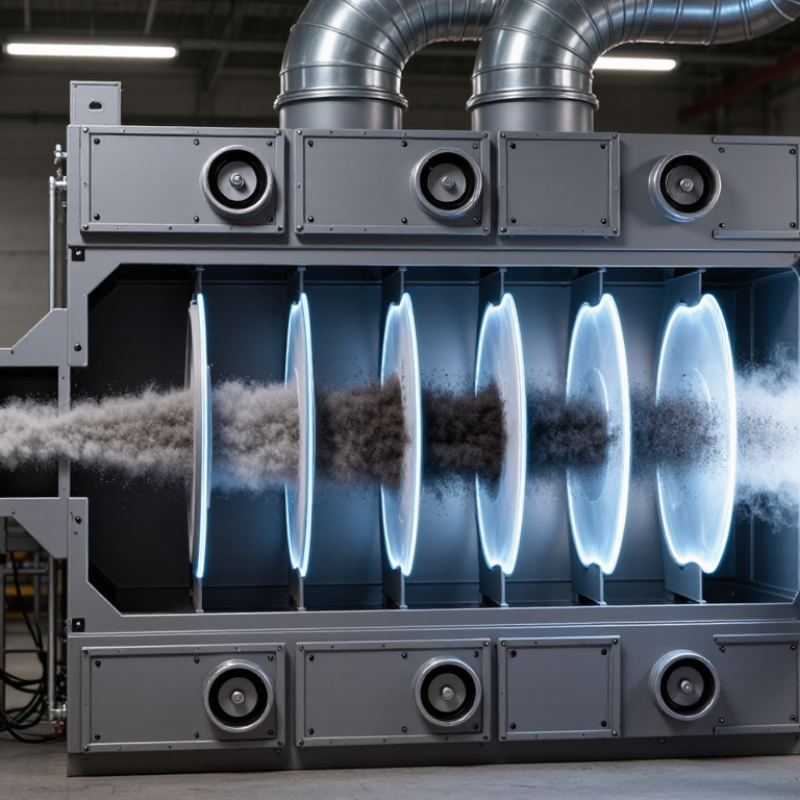
What Is a Smoke Precipitator and How Does It Work?

What a Smoke Precipitator Is

A smoke precipitator is a device that removes fine particles from smoke or other exhaust. Many designs use an electrostatic process. Inside the unit, an electrical field gives airborne particles a charge. Charged particles then move toward collection plates, where they stick instead of continuing through the outlet. The plates may collect soot, ash, and other suspended material. A precipitator does not necessarily remove gases, carbon monoxide, or every source of odor. It is not a complete air-cleaning solution.

The basic idea is simple. The details matter. Performance depends on particle size, airflow, plate condition, and how well the unit is maintained. For example, a layer of dark residue on a plate can reduce collection efficiency if it is not cleaned as specified. Some systems use mechanical tapping to dislodge buildup; others require scheduled manual cleaning. Electrical components also need proper inspection. Exact operating procedures vary by equipment and application.

Tips: Check the manufacturer’s maintenance instructions, and inspect collection plates for residue or damage. Keep airflow within the device’s rated range. If smoke remains visible, do not assume the precipitator has failed—or that the air is safe. The source, ventilation, and other pollutants may need separate assessment.

Main Components of a Smoke Precipitator

A smoke precipitator is an electrostatic system that removes suspended particles from a gas stream. Its inlet diffuser spreads the flow across the casing, helping prevent smoke from rushing through one narrow path. Inside, discharge electrodes create a high-voltage electric field. Collecting plates sit nearby, ready to capture charged particles. The power supply must stay stable; voltage that is too low can reduce particle charging.

The U.S. Environmental Protection Agency’s Air Pollution Control Technology Fact Sheet reports that electrostatic precipitators can achieve collection efficiencies above 99% under suitable operating conditions. That figure is not a guarantee for every installation. Particle size, gas temperature, moisture, and electrical properties all affect performance. The plates and electrodes form the working core, but they depend on careful sizing and consistent power.

Captured material must also leave the plates. Rapping devices gently shake loose deposits, which fall into sealed hoppers beneath the casing. Poorly timed rapping can send dust back into the gas stream. That detail is easy to underestimate. Pressure and temperature sensors help operators spot changes, while access doors allow inspection of worn electrodes and buildup. Even with good components, real smoke is variable, and maintenance assumptions sometimes prove optimistic.

What Is a Smoke Precipitator and How Does It Work?

Main Components and Operating Sequence

An electrostatic precipitator removes particles from flue gas by charging them and attracting them to collecting plates. The high-voltage supply energizes the discharge electrodes; rappers periodically dislodge collected dust so it falls into the hopper. The chart shows the functional sequence, not measured performance data.

How a Smoke Precipitator Captures Particles

What Is a Smoke Precipitator and How Does It Work?

How a Smoke Precipitator Captures Particles

A smoke precipitator removes suspended particles from moving air, rather than simply masking visible smoke. In a common electrostatic design, high-voltage electrodes give airborne particles an electrical charge. The particles then drift toward oppositely charged collection plates. Air continues through the unit while particles build up on those surfaces. It is a quiet process, but the plates need regular cleaning.

The U.S. Environmental Protection Agency’s Dry Electrostatic Precipitator fact sheet reports that collection efficiencies can exceed 99%, depending on design and operating conditions. That figure describes particle removal, not every aspect of indoor air quality. Fine particles may behave differently, and performance can fall when plates are dirty or airflow is poorly matched to the unit. A technician can check plate condition, airflow, and electrical readings.

A small detail matters: when collected dust is shaken loose, some may re-enter the airstream. Precipitators capture particles; they do not destroy them. That distinction is easy to miss.

Common Types of Smoke Precipitators

What Is a Smoke Precipitator and How Does It Work?

Common Types of Smoke Precipitators

Smoke precipitators remove suspended particles before exhaust leaves a process area. Common types include dry electrostatic precipitators, wet electrostatic precipitators, and mechanical collectors. A dry electrostatic precipitator charges particles electrically, then pulls them toward grounded plates. Rapping systems shake the dust into hoppers. Wet models use water to collect particles and reduce re-entrainment. They can also handle sticky or corrosive smoke, but wastewater treatment becomes necessary.

Cyclone collectors use spinning airflow instead of electrical charging. They work well for larger dust particles, but fine PM2.5 can pass through. Fabric filters often provide higher fine-particle removal, although they are not technically electrostatic precipitators. The U.S. Environmental Protection Agency’s Air Pollution Control Cost Manual reports that well-designed electrostatic systems can achieve particulate collection efficiencies above 99% under suitable conditions. Performance still depends on particle resistivity, gas temperature, moisture, and maintenance.

Tips: Match the equipment to particle size, not smoke color. Measure inlet loading and pressure drop during operation. EPA technical guidance warns that poorly controlled re-entrainment can reduce real-world performance. A clean plate is not always an efficient plate. Operators sometimes overlook airflow balance. That mistake matters. Review inspection records, hopper discharge, and electrode alignment regularly. Data should guide adjustments, not assumptions.

Applications and Maintenance of Smoke Precipitators

A smoke precipitator removes fine particles from air before the air leaves a workspace. It commonly uses charged electrodes and collection plates. Smoke particles receive an electrical charge, then move toward plates with the opposite charge. The plates trap the particles while cleaner air continues through the exhaust system. These units serve commercial kitchens, heating facilities, woodworking areas, and selected manufacturing processes.

Applications vary with smoke temperature, moisture, and particle size. A unit designed for dry cooking smoke may perform poorly with oily vapor. Installation should match airflow, duct size, and operating load. Keep records. Note pressure readings, operating hours, visible emissions, and unusual odors. These details help technicians identify declining performance before complaints or equipment damage occur.

Maintenance requires safe isolation before opening the housing. Inspect collection plates and electrodes for grease, dust, corrosion, or bent wires. Wash removable parts according to the equipment manual, then dry them completely. Moisture can cause arcing and reduce collection efficiency. Check seals, access doors, fans, and drain paths during each service visit. Small leaks matter. A dirty pre-filter can overload the precipitator and shorten cleaning intervals. Field experience shows that skipped inspections create expensive surprises, even when airflow seems normal. Performance testing should use documented methods and suitable instruments, not appearance alone. A clean plate does not always mean clean exhaust. Sometimes the system needs better airflow control rather than another cleaning.