What Is a Used Backhoe and How to Choose the Right One?
In today’s competitive construction market, choosing a used backhoe requires careful consideration. The global construction equipment market is projected to reach $202.7 billion by 2027, with used equipment continuing to play a crucial role. Used backhoes, known for their versatility and cost-effectiveness, can be ideal for many projects.
Industry reports indicate that purchasing used equipment can save buyers up to 50% compared to new models. However, not all used backhoes are created equal. Buyers must assess the machine’s condition, performance history, and service records. This process often reveals imperfections that require attention. It’s essential to look beyond the surface and consider potential repairs and maintenance needs.
Selecting the right used backhoe involves balancing quality and budget. Many experienced operators recommend hands-on inspections. User reviews and expert opinions can provide valuable insights, yet they should be taken with caution. A thorough understanding of the market can prevent costly mistakes and ensure the safety and efficiency of your investment.
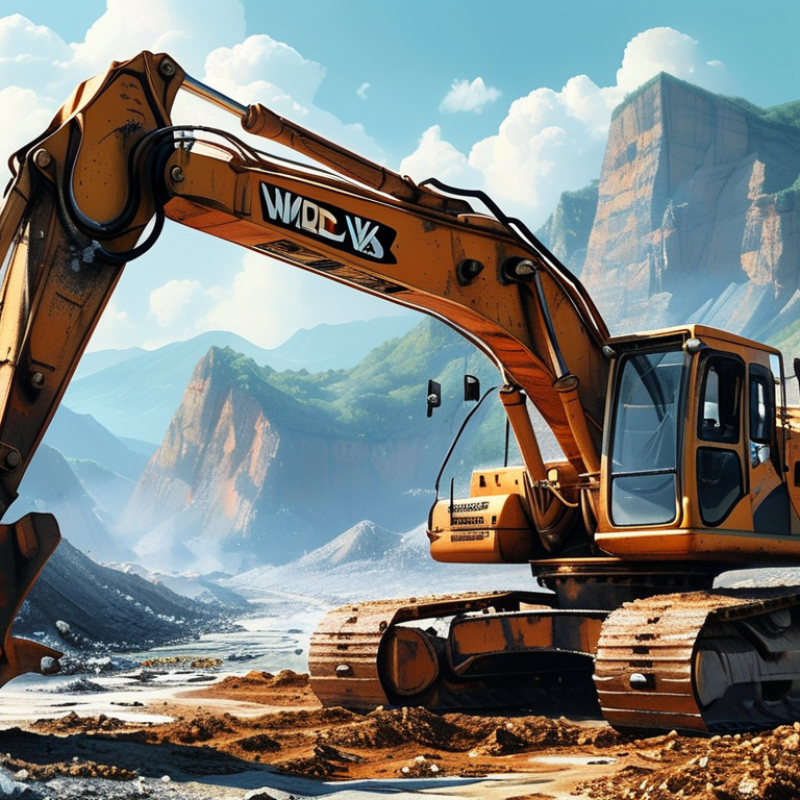
What is a Used Backhoe? Definition and Key Features
A used backhoe is a versatile piece of equipment. It combines a loader and an excavator. This dual functionality makes it ideal for various construction and landscaping tasks. Buyers often seek used backhoes for cost-effectiveness. Purchasing pre-owned equipment can significantly reduce expenses. However, the condition and maintenance history are crucial factors.
Key features of a used backhoe include its digging depth, loader capacity, and hydraulic system. Knowing the specifications helps in making an informed choice. Examine the physical condition carefully. Look for signs of wear and tear, such as leaks and unusual noises. A thorough inspection can reveal hidden problems.
Choosing the right used backhoe requires proper evaluation. Consider the type of work you need it for. If your tasks involve heavy lifting, prioritize a model with high load capacity. Think about the machine's age and operating hours. Addressing these factors can prevent future issues. Don't rush the purchasing process. Take your time to find the best fit for your projects.
The Advantages of Buying a Used Backhoe vs. New Models
When considering a backhoe, buying used can be a smart choice. Used backhoes offer significant savings compared to new models. These machines still deliver excellent performance and durability. By choosing a used option, you can allocate funds elsewhere, like attachments or maintenance.
A major benefit of purchasing a used backhoe is depreciation. New models lose value immediately after purchase. A used machine has already undergone this steep drop. This means you get more value for your money while minimizing losses over time.
Tip: Always inspect the machine thoroughly. Check for hydraulic leaks, engine condition, and tire wear. Bring a qualified mechanic if needed. A little diligence upfront can save you from costly repairs later.
Tip: Research the machine’s history. Knowing its previous usage helps assess potential issues. A backhoe used in light landscaping is often better than one worn down in construction.
Ultimately, buying used can be a reliable option. However, ensure you take the time to inspect and evaluate. Making an informed decision benefits your project in the long run. Always remember that a thorough understanding helps you make the best choice.
How to Assess the Condition of a Used Backhoe: Key Indicators
Assessing the condition of a used backhoe is crucial for making an informed purchase. Start by inspecting the exterior for any visible damage. Look for cracks, rust, or dents on the body. These could indicate previous accidents or neglect. A well-maintained backhoe will show minimal signs of wear. Pay close attention to the hydraulic lines and connections as well.
Next, check the machine’s hours of operation. A backhoe with high hours may have more wear and tear. However, if it has been well cared for, it might still be a good option. Listen for unusual noises when the engine runs. Odd sounds could signal mechanical issues, which may lead to costly repairs. Examine the tires for even wear and tear, as uneven wear can point to alignment problems.
Finally, take the time to operate the backhoe. Test the controls and ensure all functions work smoothly. Observe the responsiveness of the bucket and boom. If they hesitate or respond poorly, it may indicate problems. Remember that a used machine will have some imperfections; however, understanding its condition helps you choose wisely. You should not rush this process. Careful assessment can save you from future headaches.
Factors to Consider When Choosing the Right Used Backhoe
When selecting a used backhoe, several factors warrant careful consideration. These machines are essential for construction and landscaping tasks. A key element is the machine’s condition. Look for signs of wear and tear on the hydraulic systems and the undercarriage. Hydraulic parts alone can represent up to 50% of repair costs. Aging seals or leaks can lead to expensive fixes.
Hours of operation also play a critical role. A backhoe with over 5,000 hours may indicate significant wear. Reports suggest that machines with lower hours typically hold their resale value better. It's prudent to check maintenance logs to gauge how well the previous owner treated the equipment. Neglected maintenance can lead to hidden issues, potentially costing you more in repairs down the line.
Another crucial aspect is the intended use. If you need it for heavy lifting, opt for a model with a robust lifting capacity. Conversely, compact models may suffice for smaller jobs. Choosing the right backhoe aligns with your specific projects, preventing overspending on unnecessary features. Remember that each machine has unique characteristics. The right choice requires a balance between your needs and the equipment's capabilities.
Market Trends and Pricing Insights for Used Backhoes in 2023
In 2023, the market for used backhoes shows notable trends and shifts in pricing. Demand continues to rise, driven by infrastructure projects and landscaping needs. Buyers are increasingly looking for models that offer both efficiency and durability. A well-maintained used backhoe can represent significant savings over new models, making it an attractive option.
Pricing insights reveal that age and hours of operation are critical factors. Backhoes with lower hours typically demand higher prices, but compelling deals exist on units with a bit more wear. Evaluating a backhoe's history, including past maintenance records, is essential. Factors like brand reputation and parts availability also play a role in overall value.
Buyers should be cautious when navigating this market. It's important to inspect equipment thoroughly and request detailed reports. Not every deal will meet expectations, and sometimes a low price reflects hidden issues. Knowing the local market and comparison shopping can lead to better decisions. Understanding these nuances can empower buyers to choose wisely in a competitive landscape.

 24 Hour Service