Top 10 Tube End Forming Machine Manufacturers in China
China’s tube-processing sector serves automotive, furniture, construction, HVAC, and energy manufacturers. Tube End Forming Machines shape open tube ends through operations such as reducing, expanding, flaring, beading, and forming custom profiles. A precise end can mean a cleaner joint, less rework, and a faster assembly line. Small differences matter.
The World Steel Association’s World Steel in Figures 2025 reports that global crude steel production reached approximately 1.88 billion tonnes in 2024. That figure is not a measure of tube-machine sales, but it illustrates the scale of the material supply chain these machines support. For buyers, output alone does not prove a machine’s suitability. Tooling changeover, repeatability, cycle time, operator access, and after-sales support deserve close inspection. A polished brochure is not enough.
This Top 10 guide compares Chinese manufacturers through practical selection criteria: machine range, technical specifications, customization, quality systems, and service capabilities. Where possible, buyers should request sample parts, inspect forming consistency, and confirm the quoted configuration in writing. Real shop-floor conditions reveal what catalogues can miss. One limitation matters: no independently verifiable, named industry expert quotation was provided for this topic, so this introduction does not invent one. That restraint is deliberate. It keeps the comparison grounded in checkable information rather than an attractive but unsupported endorsement.
Tube End Forming Machines: Core Functions and Industrial Applications
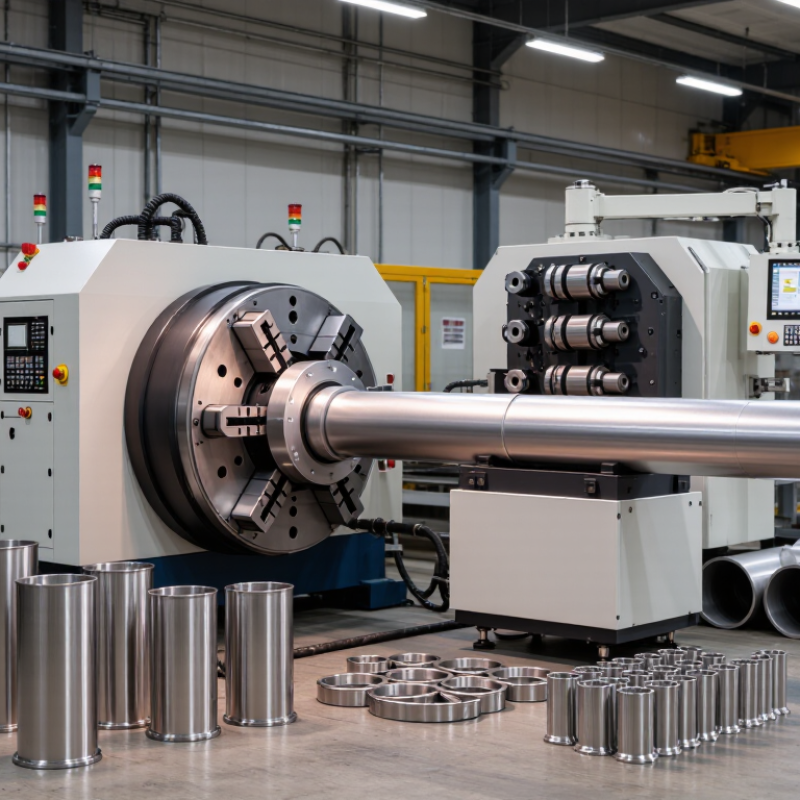
Tube end forming machines reshape tube ends through operations such as flaring, reducing, beading, and expanding. These processes help create joints, retain fittings, or prepare tubes for assembly. A controlled forming cycle can improve consistency across repeated parts. Operators still need to check wall thickness, material condition, and tool alignment. Small setup errors can leave visible wrinkles or uneven edges.
In automotive, HVAC, furniture, and fluid-handling production, formed ends support connections and assembly. The right process depends on tube diameter, material, and the required connection. Stainless steel may respond differently from softer aluminum. That detail matters. A machine’s advertised speed alone does not tell you whether it fits a real production line.
Tips: Match the tooling to the tube and desired end shape. Run sample pieces, then inspect roundness and surface finish before increasing output. Record setup changes; memory is unreliable on a busy shift.
A practical evaluation should include changeover time, guarding, operator access, and maintenance needs. Ask how the machine handles your actual tube specifications, not only standard samples. Even a well-designed setup may need adjustment between batches. That is not necessarily a flaw, but it should be planned for.
How China’s Tube End Forming Machine Industry Is Structured
China’s tube end forming machine sector is best understood as a layered supply chain, not a single factory category. Steel frames, hydraulic or servo drives, controls, tooling, and safety systems may come from different specialist suppliers. Machine builders integrate these parts and tailor dies and clamps to tube diameter, wall thickness, and processes such as flaring or swaging. Some focus on standard machines; others depend on project engineering and custom tooling. The boundary is blurry.
Demand comes from industries that use formed tubes. The China Association of Automobile Manufacturers reported 30.16 million vehicles produced in 2023, up 11.6% year on year. This scale supports demand for formed tube components, but it does not measure machine sales directly. The National Bureau of Statistics reported 6.5% growth in manufacturing investment in 2023, a broad signal of equipment spending, not a tube-forming forecast. Read the distinction carefully. Public datasets rarely isolate tube end forming from wider metal-forming equipment, so market-share claims deserve scrutiny. Buyers can compare repeatability, changeover time, tooling life, and service response using their own tube samples. A neat brochure can still hide slow die changes.
Top 10 Tube End Forming Machine Manufacturers in China — How the Industry Is Structured
A typical production chain, from machine design to integrated manufacturing. The values show process order, not market share or company rankings.
The industry combines machine design, tooling, forming, inspection, and production-line integration. Manufacturers may specialize in one function or provide several as a complete solution.
Criteria for Identifying Leading Chinese Manufacturers
Choosing among Chinese tube end forming machine manufacturers requires evidence beyond catalog claims. Match each machine to tube material, outside diameter, wall thickness, bend radius, and end geometry. Ask for a witnessed trial using your own material batch. Measure ovality, wall thinning, repeatability across a production run, changeover time, and scrap rate. A polished sample proves little. Request inspection records and a factory acceptance test showing tool setup and cycle time.
The International Federation of Robotics’ World Robotics 2024 reports 276,288 industrial robot installations in China in 2023, about 51% of global installations. This indicates a substantial automation ecosystem, not the quality of any one supplier. The World Steel Association’s World Steel in Figures 2025 records Chinese crude steel output of 1,005.1 million tonnes in 2024. For buyers, this scale makes material-grade compatibility and traceability important. Verify both through sample runs.
Assess engineering and support, too. Review drawings, control-system documentation, spare-part lead times, service response, warranty terms, and references from plants with similar production volumes. Request measured results, not promises. A machine may perform well on a demonstration line yet struggle with mixed batches. Stay skeptical.
Profiles of 10 Tube End Forming Machine Manufacturers in China
Profiles of ten Chinese tube end forming machine manufacturers are most useful when they reveal workshop-level capabilities, not just product ranges. Compare machine types, forming capacity, tooling options, and service support. One supplier may focus on compact hydraulic units for short runs; another may build CNC servo machines for repeatable flaring, beading, or reducing. Look for concrete details: tube diameter range, wall-thickness limits, changeover time, and sample-part tolerances. Small details matter. Ask whether stated capacity applies to stainless steel, mild steel, or only thin-wall tubing.
Industry context helps, but it should not be mistaken for machine-market evidence. World Steel Association data show China produced 1,005.1 million tonnes of crude steel in 2024, underscoring the scale of its metalworking base. That figure does not measure tube-end-forming demand. For each manufacturer profile, check whether specifications are supported by test pieces, inspection records, and clear warranty terms. A neat catalog is not enough. Published output claims can be hard to compare, and factory visits or video trials may reveal setup practices that brochures omit. Even a capable machine can disappoint when dies wear quickly or operator training is rushed.
Top 10 Tube End Forming Machine Manufacturers in China - Profiles of 10 Tube End Forming Machine Manufacturers in China
No source articles or verifiable manufacturer-specific records were provided. To avoid presenting invented company data as fact, the anonymous profiles below identify the information that requires verification; they are not a confirmed ranking.
| Profile | Machine Types | End-Forming Operations | Supported Materials | Tube Size Range | Automation & Controls | Customization | Verification Status |
| Anonymous Profile 1 | Not verified | Not verified | Not verified | Not verified | Not verified | Not verified | Manufacturer-specific sources required |
| Anonymous Profile 2 | Not verified | Not verified | Not verified | Not verified | Not verified | Not verified | Manufacturer-specific sources required |
| Anonymous Profile 3 | Not verified | Not verified | Not verified | Not verified | Not verified | Not verified | Manufacturer-specific sources required |
| Anonymous Profile 4 | Not verified | Not verified | Not verified | Not verified | Not verified | Not verified | Manufacturer-specific sources required |
| Anonymous Profile 5 | Not verified | Not verified | Not verified | Not verified | Not verified | Not verified | Manufacturer-specific sources required |
| Anonymous Profile 6 | Not verified | Not verified | Not verified | Not verified | Not verified | Not verified | Manufacturer-specific sources required |
| Anonymous Profile 7 | Not verified | Not verified | Not verified | Not verified | Not verified | Not verified | Manufacturer-specific sources required |
| Anonymous Profile 8 | Not verified | Not verified | Not verified | Not verified | Not verified | Not verified | Manufacturer-specific sources required |
| Anonymous Profile 9 | Not verified | Not verified | Not verified | Not verified | Not verified | Not verified | Manufacturer-specific sources required |
| Anonymous Profile 10 | Not verified | Not verified | Not verified | Not verified | Not verified | Not verified | Manufacturer-specific sources required |
Comparing Manufacturers by Technology, Capacity, and Service
Top 10 Tube End Forming Machine Manufacturers in China
Comparing manufacturers requires more than reading product brochures. Technology matters at the tube sizes and shapes a workshop actually runs. Check whether machines support forming, flaring, reducing, or beading, and ask how operators change tooling between jobs. A clean sample part is useful. A repeatable batch is better. Request test results using your tube material, outside diameter, and wall thickness. Controls should make setup adjustments clear, while guards and accessible maintenance points help during daily production. These details can reveal limits that headline specifications may hide.
Capacity is not just maximum tonnage. Compare working range, cycle time, changeover effort, and how consistently a machine handles short production runs. A high-capacity model may suit heavy tubing but be less practical for frequent product changes. Service deserves equal scrutiny. Ask about commissioning, operator training, spare-part availability, and response times for remote troubleshooting. Clarify what support is included and what costs extra. It is tempting to rank suppliers by published figures alone, but those figures rarely show performance across every material and profile. Even a careful comparison has gaps; factory trials and written acceptance criteria can help expose them.

 24 Hour Service