
 24 Hour Service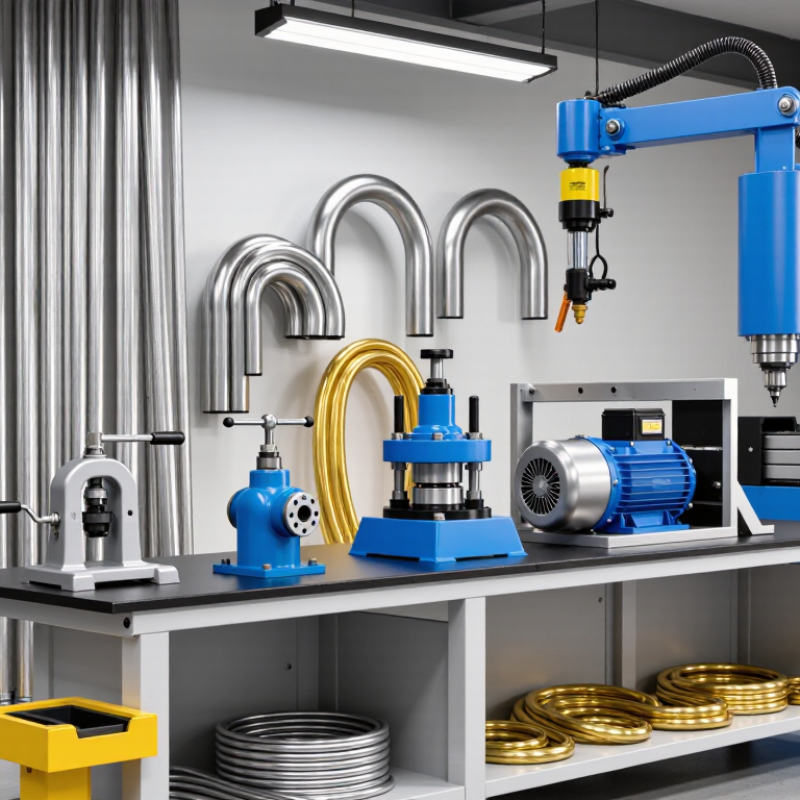
What Is a Tube Bender and What Types Are Available?
Tube bending equipment ranges from manual lever tools to hydraulic, rotary-draw, roll, and CNC systems. Each type needs a different safety routine. Before bending, verify the tube’s material, diameter, wall thickness, and required bend radius. Never rely on appearance alone.
Inspect the frame, clamps, dies, guards, hoses, and electrical controls before each shift. Keep hands clear of pinch points. Stop immediately. Secure the tube firmly, then confirm that the die and clamp match its size.
Wear eye protection, safety footwear, and close-fitting work clothes. Loose sleeves can catch unexpectedly. Keep the floor dry and remove cutoffs from the work area.
Use the machine’s specified lubricant and avoid excessive application near electrical parts. Check hydraulic lines for leaks, unusual swelling, or damaged fittings. Isolate power before cleaning, adjusting, or replacing tooling. A test bend on scrap material can reveal incorrect settings without wasting production tubing.
Record inspection results, lubrication dates, pressure readings, and tooling changes. Small errors matter. Even trained operators may skip a check during a busy shift, so a visible checklist helps expose that weakness. Recalibrate the equipment when bends drift, springback changes, or measurements become inconsistent. Maintenance is not only repair work; it is careful observation repeated before problems become injuries or rejected parts.