What Are the Top Types of Fire Hydrant Nozzles?
Fire hydrants deliver the water, but the nozzle shapes how crews can use it. Smooth-bore, fog, and combination nozzles each produce different streams, patterns, and handling demands. The right choice depends on the fire, the available water supply, hose size, and crew training. A nozzle that performs well during a controlled drill may feel very different beside a hot doorway, with smoke cutting visibility and hose pressure changing under flow.
Fire-service author and instructor John Norman has written about matching firefighting tactics to conditions. A practical paraphrase of that principle—not a verified direct quotation—is: “Choose the stream for the problem, not for habit.” Small details matter. This guide compares common fire hydrant nozzle types, including their typical uses and trade-offs, while distinguishing nozzle design from the hydrant connection that supplies water. It also considers flow, reach, stream control, and ease of handling. Those factors sound straightforward. They are not always. Real equipment, water pressure, and operator experience can change how a nozzle behaves, so specifications and hands-on training deserve equal attention. The aim is a clear starting point, not a substitute for manufacturer guidance or local operational procedures.
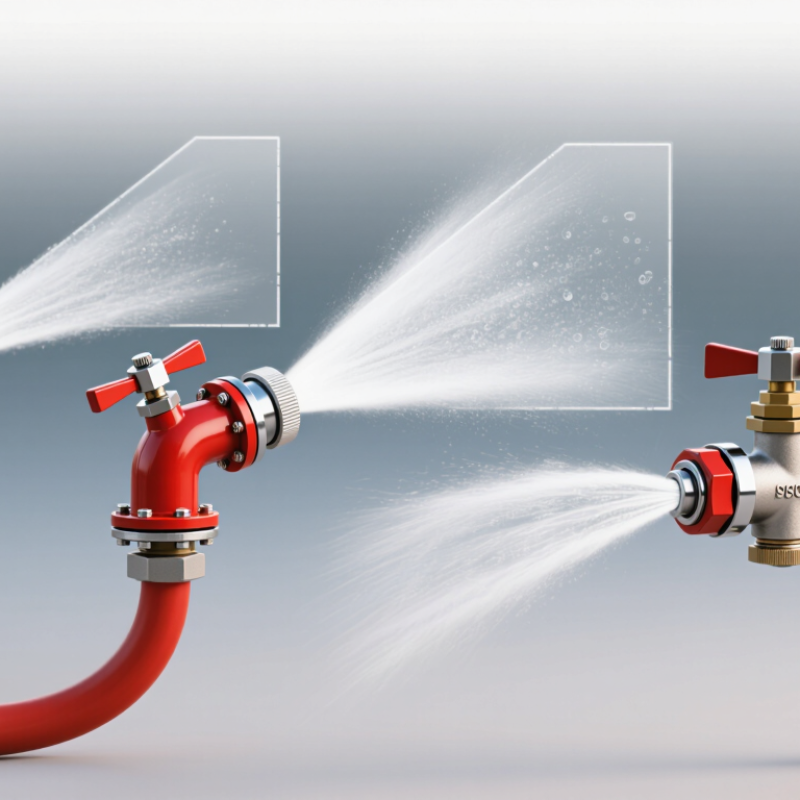
Understanding the Role of a Fire Hydrant Nozzle
What Are the Top Types of Fire Hydrant Nozzles?
Understanding the Role of a Fire Hydrant Nozzle
A fire hydrant nozzle shapes and controls the water stream delivered through a hose. It helps firefighters direct water where it is needed, whether onto a focused point or across a wider area. The nozzle also affects flow and pressure, so choosing the right type matters. Small parts make a big difference.
Common designs include smooth-bore nozzles and adjustable-pattern nozzles. A smooth-bore model produces a solid stream, useful when reach and a concentrated flow are priorities. An adjustable-pattern nozzle can shift between a straight stream and a wider spray. That flexibility helps crews adapt to changing conditions, though the pattern alone does not determine how much water reaches a target. Hose size, supply, and operating pressure matter too.
The connection must fit the hose and hydrant equipment securely. A poor fit can cause leaks or delay setup, and a nozzle that is difficult to handle may tire an operator during prolonged use. Inspect threads, seals, and moving parts for wear or debris. Keep it clean and test it according to established procedures. Labels can be unclear, and assumptions about compatibility are easy to make. Check the equipment specifications and consult trained personnel when a nozzle’s fit or performance is uncertain. Proper selection supports a controlled, dependable stream.
What Are the Top Types of Fire Hydrant Nozzles?
Common nozzle types include smooth-bore, fog, selectable-gallonage, and piercing nozzles. Each serves different firefighting tasks.
This chart compares estimated smooth-bore nozzle flow at a constant 50 psi nozzle pressure. Estimates use the standard relation Q = 29.7 × d² × √P, where Q is gallons per minute, d is tip diameter in inches, and P is pressure in psi. Actual flow varies with equipment and operating conditions. Fog and other nozzle types are not represented by these smooth-bore estimates.
How Nozzle Design Affects Water Flow and Spray Pattern
A fire hydrant nozzle does more than direct water. Its opening and internal shape influence how much water passes through, how far the stream travels, and how widely it spreads. A smooth-bore nozzle forms a compact, solid stream. With fewer internal obstructions, it can maintain a strong reach, though it offers limited pattern adjustment. The stream is easy to recognize. But reach depends on available pressure and hose conditions, not nozzle design alone.
Combination nozzles can shift from a straight stream to a wide fog pattern. A narrow pattern tends to carry water farther, while a broader spray creates smaller droplets that expose more water to heat. That can help absorb heat, but wind may push the spray off target. A wider pattern is not automatically better. Flow settings and nozzle openings also matter, and changing the pattern does not always mean the flow rate has changed. This distinction is easy to miss when comparing equipment by appearance.
In practice, the best pattern depends on the task, water supply, and conditions at the scene. Operators should follow the nozzle’s rated pressure and established training, since pressure that is too low can weaken the stream. A nozzle that feels predictable in a yard may behave differently through a long, charged hose. That deserves a second look.
How to Match a Nozzle to Firefighting Needs
What Are the Top Types of Fire Hydrant Nozzles?
How to Match a Nozzle to Firefighting Needs
Choosing a hydrant nozzle starts with the job, not the shape of the nozzle. A smooth-bore nozzle produces a concentrated stream that can reach farther and perform steadily when water pressure varies. That reach matters. Fog nozzles spread water into adjustable patterns, which can help crews cool nearby surfaces or protect an opening. Combination models offer both options, but their added flexibility does not automatically make them the best fit.
Match the nozzle to the water supply, hose size, expected flow, and conditions at the scene. A narrow stream may suit a long exterior reach, while a wider pattern may help with heat exposure at close range. Check the hydrant’s available pressure and the crew’s equipment limits; a nozzle cannot make up for a weak supply. Compatibility matters, too. Connections, hose diameter, and operating controls should fit the department’s equipment and procedures. It sounds straightforward, but real scenes change quickly. A setup that works during training may feel awkward in smoke, gloves, or poor visibility. Regular inspection and hands-on practice help crews find those mismatches before an emergency.
Key Factors in Nozzle Compatibility and Maintenance
What Are the Top Types of Fire Hydrant Nozzles?
Key Factors in Nozzle Compatibility and Maintenance
Smooth-bore and fog nozzles are common choices, but compatibility starts at the hydrant outlet. A common North American layout has two nominal 2½-inch hose outlets and one 4½-inch pumper outlet; actual configurations vary. AWWA Manual M17 discusses hydrant installation, testing, and maintenance, while NFPA 1962 addresses nozzle and hose care. Nominal size alone is not enough. Thread form, pitch, and coupling type must also match.
A mismatched connection may leak, bind, or fail to seat under pressure. Before ordering, check the hydrant’s outlet markings and confirm dimensions with a thread gauge or a qualified fitter. For Storz connections, verify the coupling diameter and locking arrangement. During routine checks, inspect threads for dents, corrosion, and grit. Move the cap and nozzle by hand; rough engagement is a warning, not a minor annoyance. Maintenance records should note inspection dates, defects, and repairs. Small omissions happen.
Tips: Keep a compatible sample coupling on hand for fit checks, and clean threads with a soft brush. Follow the equipment maker’s instructions and your department’s inspection schedule. NFPA 1962 is a useful reference, but local procedures and the hydrant’s actual condition still matter. A perfect spec sheet cannot reveal a damaged thread.

 24 Hour Service