Top 10 Small Air Compressors for Home and Garage Use
When it comes to home and garage projects, having the right tools can make all the difference. One essential tool that every DIY enthusiast and homeowner should consider is a small air compressor. These compact yet powerful devices are designed to deliver efficient air pressure for various tasks, from inflating tires and powering pneumatic tools to spray painting and blowing dust away. The versatility and convenience of a small air compressor make it an indispensable addition to any toolbox.
In this guide, we will explore the top 10 small air compressors available in 2025, taking into account their performance, portability, and specific features that cater to different needs. Whether you’re a seasoned DIYer or just starting out, the right small air compressor can enhance your productivity and help you achieve professional-quality results in your projects. Read on to discover our top picks and learn how to choose the best small air compressor for your home and garage use.

Essential Features to Look for in a Small Air Compressor for Home Use
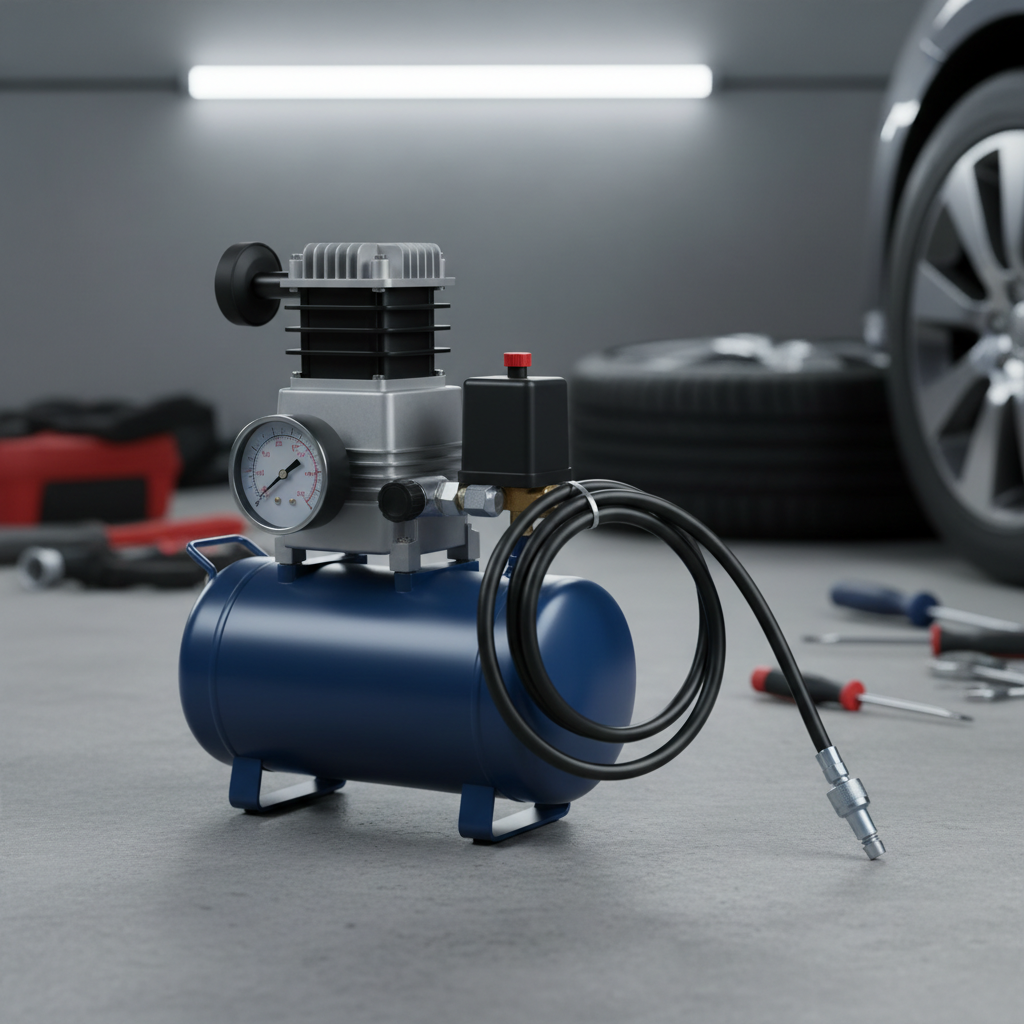
When searching for a small air compressor for home and garage use, there are several essential features to consider. First and foremost, the compressor's PSI (pounds per square inch) capability is crucial. A higher PSI allows for more versatile applications, from inflating tires to powering pneumatic tools. For typical home use, a compressor that can deliver between 90-120 PSI should suffice for most tasks.
Another important aspect is the compressor's tank size. While smaller tanks are more portable, a larger tank provides the advantage of longer operation times without needing to stop for refills. For home users focusing on light tasks, a tank capacity between 1 to 6 gallons is often ideal. Additionally, consider the compressor’s noise level, especially if you have close neighbors or plan to use it in a garage. Models with quieter operations can significantly enhance user experience.
Finally, portability features such as weight, handle design, and wheel support can greatly affect usability. A compact and lightweight air compressor allows for easy storage and transport, making it a practical choice for home projects. Overall, focusing on PSI, tank size, noise level, and portability will help you select the best small air compressor for your needs.
Comparing the Top 10 Small Air Compressors: A Comprehensive Review

When it comes to selecting the best small air compressors for home and garage use, a comprehensive review is essential. Air compressors are versatile tools that can power various devices, from air inflators to nail guns, making them a valuable addition to any homeowner's toolkit. In 2025, many options stand out due to their performance, portability, and user-friendly features.
For example, some models shine in efficiency while maintaining a compact size, making them ideal for limited storage spaces.
Tips: When choosing an air compressor, consider the tank size and pressure output. A larger tank often provides more air for continuous use, while higher PSI ratings allow for versatile applications. Additionally, portability is key; look for lightweight models with convenient handle designs so you can easily transport them to different job sites around your home or garage.
It's also wise to pay attention to noise levels, especially for home use. Many modern compressors now offer quieter operation, allowing you to work without disturbing the peace. With hands-on testing, various models have been evaluated for performance, providing solid recommendations that can help you make an informed choice tailored to your specific needs and projects.
Best Uses for Small Air Compressors in the Garage and at Home
Small air compressors are versatile tools that can greatly enhance productivity in both home and garage settings. One of their primary uses is for inflating tires. Whether it’s for your car, bicycle, or sports equipment, a small air compressor provides a quick and efficient solution to keep your tires properly inflated, ensuring safety and optimal performance.
Additionally, these compressors are invaluable for powering pneumatic tools such as nail guns and staplers, which are often essential for DIY projects, woodworking, or home repairs.
Another significant application of small air compressors is in paint spraying. They deliver consistent airflow, making them perfect for projects ranging from touch-ups to full-room renovations. Moreover, for enthusiasts, using an air compressor with a paint sprayer can achieve a smooth, professional finish that hand methods might not provide. Beyond these uses, air compressors can effectively clean hard-to-reach areas by blowing away dust and debris, making them great for maintaining both the garage and home.
Maintenance Tips to Ensure Longevity of Your Small Air Compressor
When it comes to maintaining the longevity of your small air compressor, regular upkeep is crucial. One of the most effective tips is to keep the air filter clean. A clogged filter can reduce efficiency and strain the motor, which may lead to premature breakdown. To clean it, simply remove the filter and gently brush off the dust and debris. For those using their compressors regularly, consider checking the filter weekly, while casual users might do so monthly.
Another important maintenance tip is to drain the moisture from the tank. Over time, condensation builds up, and if not drained, it can cause rust and damage to the internal mechanisms. Make it a habit to open the drain valve after each use, allowing trapped moisture to escape. This simple step significantly enhances your compressor's lifespan and ensures optimal performance.
Lastly, ensure that your compressor is stored in a dry, clean environment to prevent dust accumulation and corrosion. If you’re using it in a garage, consider a designated area away from heavy machinery or vehicles that might obstruct airflow. Proper storage not only protects the compressor but also keeps it ready for use whenever you need it.
Top 10 Small Air Compressors for Home and Garage Use
This chart illustrates the average PSI (pounds per square inch) and tank capacity (in gallons) of the top 10 small air compressors suitable for home and garage use. The data helps in understanding the performance and efficiency of these compressors.
Choosing the Right Size: How to Determine Compressor Capacity for Your Needs
When selecting a small air compressor for home and garage use, determining the right size and capacity is crucial to meet your specific needs. The compressor's capacity is generally measured in cubic feet per minute (CFM) at a given pressure, usually 90 PSI for most tasks. According to a recent industry report from the American National Standards Institute (ANSI), different applications require varying CFM levels. For instance, inflating tires typically demands around 1.5 CFM, while powering air tools like nail guns may require up to 4 CFM. Understanding these requirements helps in choosing a compressor that will not only operate efficiently but also stand up to the demands of your projects.
Another essential factor to consider is the tank size. Smaller tanks (1 to 6 gallons) are suitable for light-duty tasks and quick inflation jobs, while larger tanks (6 to 30 gallons) provide better performance for sustained use, especially with tools that require continuous air supply. According to a report by the Association of Equipment Manufacturers, a tank size of at least 20 gallons is recommended for frequent users of pneumatic tools. This ensures the compressor can recover adequately and maintain a consistent pressure, reducing downtime and enhancing productivity in the garage or at home. By aligning the CFM and tank size with your intended applications, you can select a small air compressor that effectively meets your requirements.
Top 10 Small Air Compressors for Home and Garage Use
| Model |
Tank Size (Gallons) |
Max PSI |
CFM @ 90 PSI |
Weight (lbs) |
Noise Level (dB) |
| Model A |
1.5 |
125 |
2.0 |
30 |
68 |
| Model B |
3.0 |
150 |
4.0 |
40 |
75 |
| Model C |
2.5 |
135 |
3.5 |
35 |
70 |
| Model D |
1.0 |
120 |
1.5 |
25 |
65 |
| Model E |
3.5 |
160 |
5.0 |
45 |
78 |
| Model F |
2.0 |
140 |
2.5 |
32 |
72 |
| Model G |
4.0 |
180 |
6.0 |
50 |
80 |
| Model H |
2.2 |
130 |
3.0 |
37 |
69 |
| Model I |
3.0 |
150 |
4.2 |
42 |
74 |
| Model J |
1.8 |
125 |
2.2 |
28 |
67 |

 24 Hour Service