24 Hour ServiceThe Red Light Therapy Belt market sits within a rapidly expanding wellness economy. The Global Wellness Institute’s 2024 report valued global wellness at $6.3 trillion in 2023. It projects nearly $9 trillion by 2028. This growth encourages more brands to offer wearable light devices. It also makes careful product comparison essential.
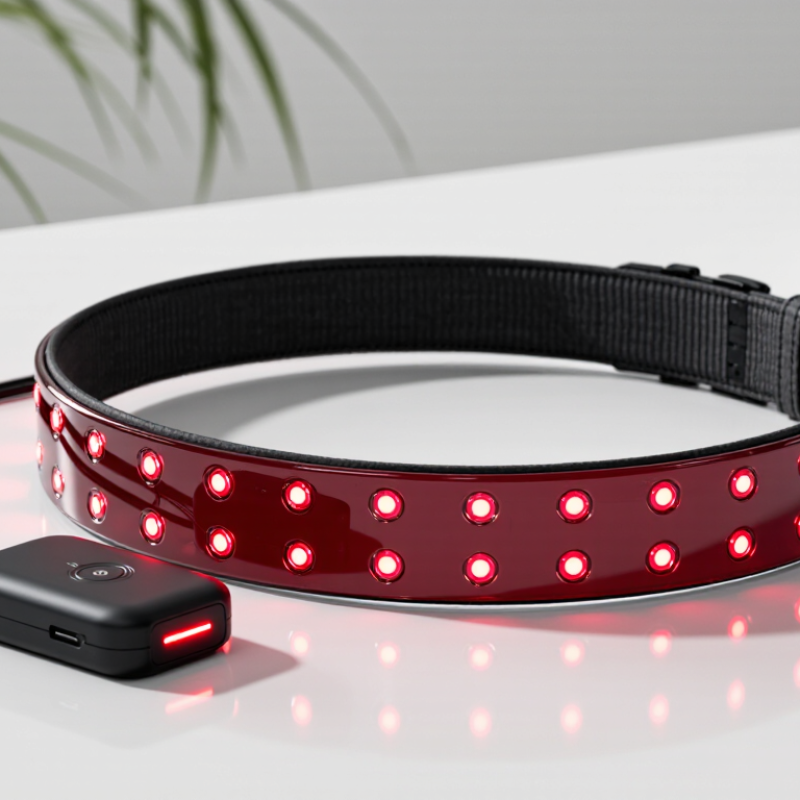
A Red Light Therapy Belt combines flexible LEDs, adjustable straps, and rechargeable controls. Buyers should examine wavelength accuracy, irradiance, treatment area, battery safety, warranty support, and independent testing. Photobiomodulation expert Michael R. Hamblin describes the field as “the use of non-ionizing forms of light to elicit beneficial therapeutic effects.” His definition supports a measured approach. Light-based wellness is not a magic shortcut.
Clinical evidence remains uneven across conditions and devices. The National Institutes of Health has published research showing promising photobiomodulation applications, while also noting variations in dosage and study quality. Therefore, this Top 10 review compares specifications, available evidence, comfort, and practical usability. A belt that feels warm and sturdy may still deliver unclear output. That detail matters.
Some listings provide impressive numbers without laboratory verification. Others hide LED density or actual treatment distance. That is a problem. Global buyers must also check plug standards, labeling, return policies, and local regulatory requirements. Our selection is useful, but not perfect. Product claims change, and independent testing can be limited. Treat this guide as a careful buying framework, not medical advice.
Red light therapy belts are flexible devices fitted with small light-emitting diodes. They usually deliver red light and near-infrared light to areas such as the waist, back, shoulders, or knees. Unlike tanning equipment, they are designed without ultraviolet exposure. The belt rests close to the skin, allowing light to reach surface tissues and, depending on wavelength and power, somewhat deeper layers.
The proposed process is called photobiomodulation. Light may interact with cellular structures, including mitochondria, and influence energy production and local signaling. Research has explored possible support for temporary pain relief, muscle recovery, and skin health. Results differ, however. Wavelength, irradiance, treatment time, tissue depth, and study quality all matter. Warmth is not proof of effectiveness. It is only warmth.
A reliable buyer should check measured output, treatment area, timer controls, material quality, and electrical certification for the intended market. Instructions should state how often and how long to use the belt. More exposure is not automatically better. People using photosensitizing medicine, managing light-sensitive conditions, or recovering from surgery should seek professional advice before use. Eye protection may also be appropriate, depending on the design and treatment position. I would treat marketing promises carefully, because some claims move faster than the evidence. A short trial with realistic expectations is wiser than assuming one device fits every body.
Choosing among the top 10 red light therapy belts requires more than comparing prices. Start with wavelength information, usually listed in nanometers, and check whether the manufacturer explains its testing method. Irradiance matters too, but higher numbers are not automatically better. Look for measured output at the skin, not only laboratory figures. A clear treatment time and distance guide shows stronger technical responsibility.
Coverage and comfort often decide whether a belt becomes part of your routine. Measure the adjustable area around your waist, back, or limbs before ordering. Flexible panels should sit evenly against the body without sharp pressure points. Check battery life, charging time, heat levels, and cable placement. For international buyers, confirm plug compatibility, shipping conditions, warranty support, and return policies. Small details matter during real use.
Tips: Photograph the belt beside a ruler before buying. Compare its active treatment area, not its full fabric size. Read independent reviews for heat, durability, and strap strength. Ask for safety testing documents when claims seem vague. Do not rely on dramatic promises; evidence may be limited for specific conditions. A belt can look impressive and still feel awkward after ten minutes. I would also record comfort and skin response during early sessions, then reconsider the product if irritation appears. Professional medical advice is sensible for people with photosensitivity, implanted devices, or ongoing treatment.
Choosing among the top 10 red light therapy belts requires more than counting LEDs. Start with wavelength details, irradiance, treatment area, and timer accuracy. Red light commonly targets surface tissues, while near-infrared light reaches deeper layers. Buyers should verify these claims through test reports, not attractive product photos.
Comfort affects regular use. Look for flexible panels, breathable fabric, secure fasteners, and controls that remain visible during movement. A belt that slips during a ten-minute session becomes frustrating quickly. Check battery capacity, charging standards, plug compatibility, and operating instructions for your country. International buyers should also examine customs duties, return procedures, warranty coverage, and electrical safety certifications.
Small details matter. A clear user manual should explain session length, cleaning methods, and storage temperatures. Independent laboratory data can improve confidence, although testing methods are not always identical. Avoid treating marketing language as medical evidence. People with photosensitivity, implanted electronic devices, or ongoing medical treatment should ask a qualified healthcare professional before use. Results may vary.
The best ranking is personal. That is easy to forget. A powerful belt may feel uncomfortable, while a simpler model may encourage consistent use. My own comparison would weigh comfort and verified specifications equally, but this approach is imperfect. New testing standards, regional regulations, and long-term durability reports can change the order. Global buyers should compare current documents before placing an order.
When comparing the top 10 red light therapy belts, safety evidence should come before design or price. Check the stated wavelength, irradiance, timer, and maximum temperature. A belt should feel comfortably warm, never painfully hot. IEC 60601-1 may indicate electrical safety testing for medical equipment. IEC 60601-1-2 addresses electromagnetic compatibility. IEC 62471 can help assess photobiological risks. These standards do not automatically prove treatment effectiveness.
Certifications need verification. Look for a manufacturer’s declaration of conformity, test laboratory details, product model numbers, and recent reports. A printed logo is not enough. In the European Union, medical claims may place a belt under the Medical Device Regulation and require appropriate CE conformity procedures. In the United States, FDA registration or listing does not always mean FDA approval. FCC requirements may apply to electronic emissions. Canada, Australia, Japan, and the United Kingdom use different pathways, especially when products claim pain relief or disease treatment.
Regional details also matter. Confirm local language instructions, electrical plugs, voltage, warranty contacts, and disposal requirements. Examine the label for contraindications, eye protection guidance, cleaning limits, and battery information. I would ask for evidence before importing a large shipment. Yet even careful buyers can miss an outdated report or an unclear claim. That weakness deserves attention. A reliable supplier should answer specific questions without promising guaranteed results. Calibration records and consistent batch testing add practical confidence.
| Rank | Buyer Profile | Typical Light Configuration | Recommended Technical Specification | Primary Safety Standards to Check | Certification or Regulatory Route | Key Regional Requirements | Documents Global Buyers Should Request |
|---|---|---|---|---|---|---|---|
| 1 | General-purpose red and near-infrared belt | Red: 630–660 nm NIR: 810–850 nm | LED-based device; independently measured irradiance and dose controls; timer, automatic shutoff, insulated wiring, and skin-contact materials suitable for the intended use. | IEC 60601-1 for medical electrical safety, IEC 60601-1-2 for electromagnetic compatibility, IEC 62471 for photobiological safety, ISO 14971 for risk management, and ISO 10993 where prolonged skin contact is claimed. | The route depends on intended purpose and promotional claims. A general wellness product may be treated differently from a device making therapeutic or disease claims. | EU: MDR assessment may apply for medical claims. United States: FDA requirements depend on product classification and claims. Other markets may require local registration or importer representation. | Test reports, wavelength and irradiance report, electrical safety report, EMC report, biocompatibility rationale, risk-management file summary, labeling, and user instructions. |
| 2 | Low-heat flexible belt for sensitive users | Red: 630–660 nm Optional NIR: 810–830 nm | Low-temperature operation with continuous temperature monitoring, soft encapsulation, rounded edges, adjustable fastening, and a clearly stated maximum session duration. | IEC 60601-1, IEC 60601-1-2, IEC 62471, ISO 14971, and relevant material safety evaluation under ISO 10993 when the belt contacts skin. | No single international “red-light belt certificate” exists. Compliance must be demonstrated against applicable electrical, optical, material, and market-specific rules. | Buyers should verify mains adapters, plugs, battery cells, chargers, and labeling separately because these components may be subject to additional national requirements. | Thermal test data, battery and charger reports, optical safety assessment, materials declaration, cleaning instructions, and overheating protection test. |
| 3 | Battery-powered travel belt | Red: red 630–660 nm NIR: 810–850 nm | Rechargeable battery, protected charging circuit, transport-safe battery pack, USB or certified external power supply, battery state indicator, and automatic session cutoff. | IEC 60601-1 and IEC 60601-1-2 where applicable; IEC 62133-2 for rechargeable lithium battery safety; UN 38.3 transport testing for lithium battery shipping. | Battery transport compliance is separate from medical-device or wellness-product compliance. The complete belt and the battery pack require separate verification. | International shipments commonly require UN 38.3 evidence and appropriate dangerous-goods documentation. EU sales may also involve battery and waste obligations. | UN 38.3 test summary, IEC 62133-2 report, battery SDS where required, charger specifications, EMC report, and shipping classification. |
| 4 | EU-focused therapeutic-claim belt | Red: 630–660 nm NIR: 810–850 nm | Controlled output, traceable calibration, defined intended purpose, clinical evaluation proportional to claims, post-market monitoring, and multilingual instructions. | IEC 60601-1, IEC 60601-1-2, IEC 62471, ISO 14971, ISO 13485 quality management, and ISO 10993 where applicable. | Medical claims may bring the product within Regulation (EU) 2017/745 (MDR). Classification depends on intended purpose, mode of action, and risk profile. CE marking is not a substitute for technical documentation. | EU economic-operator obligations, technical documentation, clinical evaluation, declaration of conformity, labeling, UDI obligations where applicable, and authorized-representative requirements for certain non-EU manufacturers. | EU declaration of conformity, technical-file summary, clinical evaluation evidence, ISO 13485 certificate, risk file, PMS plan, and CE/UDI information where applicable. |
| 5 | United States wellness-oriented belt | Red: 630–660 nm NIR: optional | Conservative wellness wording, measurable optical output, timer control, electrical safety evaluation, clear contraindications, and no unsupported disease-treatment claims. | IEC 60601-1, IEC 60601-1-2, IEC 62471, and applicable FCC equipment authorization requirements for electronic emissions. | FDA obligations depend on intended use and claims. A product marketed to diagnose, cure, mitigate, treat, or prevent disease may be regulated as a medical device; a wellness claim does not automatically guarantee exemption. | Check FDA establishment, listing, premarket, labeling, and reporting requirements as applicable. Wireless versions may require additional FCC review. | FDA classification rationale, labeling and claims review, electrical and EMC reports, optical safety report, complaint procedure, and wireless authorization documents if applicable. |
| 6 | UK-focused post-Brexit belt | Red: 630–660 nm NIR: 810–850 nm | Defined intended purpose, traceable production controls, optical and thermal limits, English labeling, and a documented adverse-event and complaint process. | IEC 60601-1, IEC 60601-1-2, IEC 62471, ISO 14971, ISO 13485, and ISO 10993 where relevant to skin contact. | Medical-device placement on the Great Britain market may require UKCA or accepted CE routes during applicable transition arrangements. Northern Ireland has separate EU-related rules in relevant cases. | Verify MHRA registration, UK responsible-person obligations for overseas manufacturers, labeling, and the current recognition period for CE marking. | UK declaration and conformity evidence, MHRA registration information where applicable, responsible-person details, risk file, and post-market surveillance records. |
| 7 | Canada and Australia distribution belt | Red: 630–660 nm NIR: optional 810–850 nm | Stable output over the stated service life, documented labeling claims, compliant power supply, skin-contact assessment, and a defined maintenance procedure. | IEC 60601-1, IEC 60601-1-2, IEC 62471, ISO 14971, and ISO 13485 where a regulated medical-device quality system is required. | Canada may require a Health Canada medical-device licence depending on classification. Australia may require inclusion in the ARTG for regulated medical-device supply. | Verify Canadian device licensing and importer obligations separately from Australian TGA/ARTG requirements; local classification is claim-dependent. | Classification rationale, local licence or ARTG evidence where applicable, quality certificate, electrical and optical test reports, English labeling, and importer documentation. |
| 8 | Japan and South Korea import belt | Red: 630–660 nm NIR: 810–850 nm | Output verification in both operating and charging modes, localized warnings, translated instructions, compliant plug or adapter, and documented product traceability. | IEC 60601-1, IEC 60601-1-2, IEC 62471, ISO 14971, and applicable national deviations or local testing requirements. | Medical claims may trigger approval or notification under the applicable Japanese or Korean medical-device framework. Classification and route vary by intended use. | Japanese importers and local-language labeling may be required. South Korean MFDS requirements, local representation, and product classification should be confirmed before import. | Local-language instructions, country-specific conformity documents, importer details, test reports, risk analysis, and evidence supporting translated claims. |
| 9 | China and Southeast Asia marketplace belt | Red: 630–660 nm NIR: optional 810–850 nm | Consistent LED binning, production-line optical testing, overheating protection, compliant adapter, local-language warnings, and serial or batch traceability. | IEC 60601-1, IEC 60601-1-2, IEC 62471, ISO 14971, and applicable national standards or deviations in the destination market. | China medical-device registration or filing may be required when medical claims are made. Southeast Asian requirements differ by country and may involve local establishment or importer obligations. | Confirm NMPA requirements for China and the current medical-device rules of each Southeast Asian destination; marketplace listing alone is not proof of compliance. | NMPA or local registration evidence where applicable, Chinese or local-language labeling, factory quality records, optical test reports, and importer details. |
| 10 | Professional-use belt with advanced controls | Red: 630–660 nm NIR: 810–850 nm Programmable dose | Programmable treatment sessions, password-protected settings where appropriate, calibration records, temperature monitoring, fault detection, service intervals, and controlled software updates. | IEC 60601-1, IEC 60601-1-2, IEC 62471, ISO 14971, ISO 13485, ISO 10993 where applicable, and IEC 62304 if software is part of the medical-device function. | Software, programmable controls, and professional therapeutic claims can increase regulatory scrutiny. The applicable route must be determined from the final intended purpose and system architecture. | Buyers should assess cybersecurity, software lifecycle, data protection, servicing, calibration, and professional-user training obligations in every target market. | Software lifecycle documentation, cybersecurity risk assessment, calibration certificates, service manual, fault logs, usability evidence, and complete technical documentation. |

Top 10 Red Light Therapy Belts for Global Buyers: Pricing, Shipping, Warranty, and International Support
Comparing the top ten red light therapy belts requires more than checking the advertised price. A lower figure may exclude VAT, customs duties, power adapters, or return fees. Calculate the landed cost before ordering. I recommend requesting a written invoice with every charge listed. Some sellers provide free shipping, but delivery can still take three weeks. Confirm tracking, dispatch times, destination coverage, and whether duties are prepaid or collected on arrival. Check plug compatibility carefully. A missing adapter can delay use.
Warranty terms deserve equal attention. Look for coverage lasting at least twelve months, clear exclusions, and a practical replacement process. Ask who pays return shipping for a defective belt. International support should offer a reachable email address, documented troubleshooting, and realistic response times. Support in your language is helpful, though not always available. Product instructions should explain cleaning, charging, storage, and safe use. Independent testing or electrical compliance documents can strengthen buyer confidence. No comparison is perfect.
Tips: Save screenshots of the warranty and shipping promises. Photograph the package before opening it. Test the belt soon after delivery, not months later. Confirm your local import rules before payment. Avoid sellers who refuse to disclose the warehouse location or support address. A cheaper purchase may become expensive after a failed return. My own buying standard has changed: transparent service now matters more than a polished product page.
Anonymized comparison of listed retail price, estimated international shipping time, warranty coverage, and available support channels.
The values represent rounded specifications commonly published in international product listings. Prices are shown in USD, shipping is measured in estimated business days, warranty coverage is shown in months, and support channels count email, live chat, phone, and help-center access. Buyers should confirm final terms, taxes, delivery estimates, and warranty eligibility before purchase.