China Top Olylife Foot Massager Suppliers?
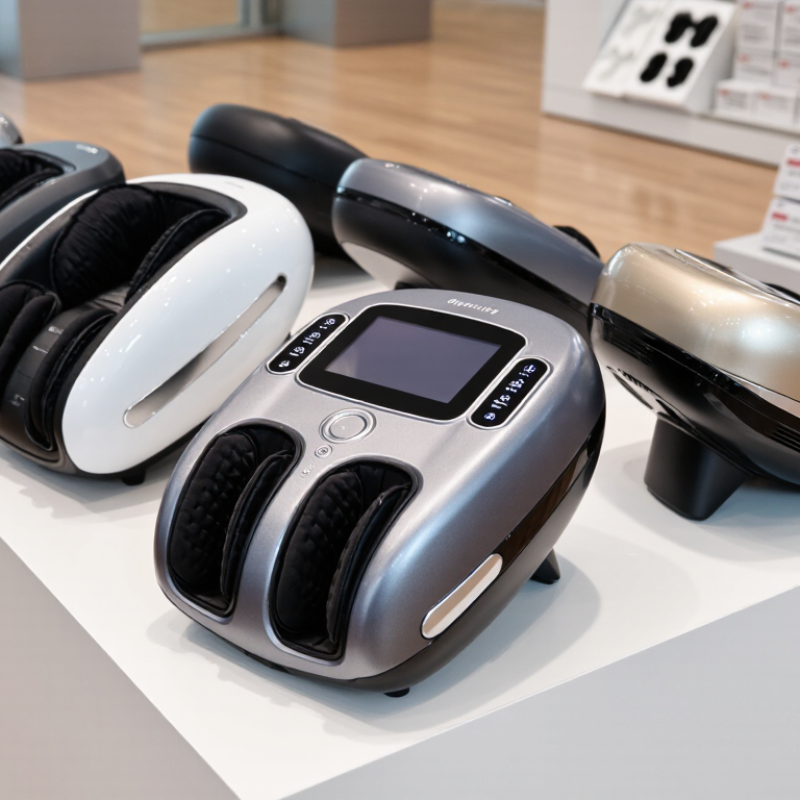
Finding reliable China-based suppliers for Olylife Foot massagers takes more than comparing prices. Product listings can look similar, yet details such as massage modes, control layout, materials, packaging, and after-sales support may differ. Buyers should confirm which models a supplier can actually provide and request current specifications before discussing an order. Small details matter. A clear photograph of the foot chambers, for example, can help reveal design differences that a short sales description may miss.
This guide introduces practical ways to assess potential suppliers, including manufacturing experience, sample availability, communication quality, warranty terms, and documentation for the intended market. No single directory or online claim proves a company’s reliability. Ask for verifiable business details, review sample terms, and compare written quotations carefully. Also clarify whether the supplier is a manufacturer, an authorized distributor, or a trading company; each may offer a different level of product access and support. Availability and brand authorization can change, so confirm both directly rather than relying on old listings. A low quote can be tempting. Still, it may leave important costs or service limits unexplained. The aim is not to declare one supplier best for every buyer, but to provide a grounded starting point for comparing options and asking sharper questions before making a sourcing decision.
Olylife Foot Massagers in China: Brand Owners, OEMs, and Authorized Distributors
China’s foot-massager supply chain includes brand owners, OEM factories, and authorized distributors. These roles are not interchangeable. Brand owners set product specifications and manage positioning; OEMs manufacture to agreed requirements; authorized distributors handle local sales and after-sales support. Ask who controls design changes, warranty decisions, and spare parts before comparing quotations.
Demand context is broad, not product-specific. The Global Wellness Institute’s 2024 Global Wellness Economy Monitor valued the worldwide wellness economy at $6.3 trillion in 2023 and projected growth to $9 trillion by 2028. This does not measure foot-massager sales. China’s National Bureau of Statistics reported 296.97 million people aged 60 or older at the end of 2023, or 21.1% of the population. These figures suggest relevant consumer trends, but they cannot confirm demand for any particular device. Details matter.
For supplier checks, request a sample, written specifications, production lead times, and clear warranty terms. Inspect the foot chambers, control buttons, cable finish, and packaging; small defects often appear there first. Verify that distributor authorization is current and covers the intended sales territory. Still, a polished catalog proves little. Factory capacity and service quality may differ from the sample, so confirm both before placing a large order.
Mapping Supplier Capabilities: Product Range, MOQ, Lead Time, and OEM/ODM Services
When comparing foot massager suppliers in China, look beyond catalog size. A capable factory may offer compact rollers, air-compression models, heated units, and adjustable intensity settings. Ask which functions are standard and which require custom tooling. A sample should reveal practical details, such as control-button clarity, stitching quality, and whether the foot chamber fits different users.
MOQ varies with model, packaging, and customization. Stock products may allow smaller trial orders, while custom colors or printed cartons can raise minimum quantities. Request a written lead-time estimate covering sample approval, production, inspection, and packing. For planning, confirm what happens if a component is delayed. It happens.
OEM services often cover logos, packaging, and preset configurations; ODM work may involve design changes or new features. Ask for drawings, material specifications, and a clear revision process before approving development. One detail is easy to miss: a low quoted MOQ may apply only to an existing design, not a customized version. Supplier claims deserve verification through samples, factory records, and clear communication.
The best fit is not always the cheapest.
Comparing Technical Data: Massage Modes, Rated Power, Noise, and Service Life
China Foot Massager Suppliers: Comparing Technical Data
The Global Wellness Institute’s 2024 Global Wellness Economy Monitor valued the wellness economy at $6.3 trillion in 2023. That broad figure signals a growing category, but it does not verify any foot massager’s performance. Compare supplier test sheets, not sales claims. Count massage modes by function: kneading, rolling, vibration, and air compression are not interchangeable. Check whether heat is a separate setting. Small detail, big difference.
Rated power should be listed in watts, with voltage and operating conditions. It indicates electrical demand, not massage strength. For noise, request dB(A) readings with the measurement distance and operating mode stated; IEC 60704-1 provides a method for measuring airborne noise from household appliances. One number without test conditions is weak evidence. Ask for service-life results in operating hours or cycles, including sample size and failure criteria. IEC 60335-2-32 covers safety requirements for massage appliances, but a safety assessment does not prove long-term durability. A spreadsheet may look complete. It can still miss how a unit sounds on a hard floor or whether controls remain clear after repeated use. Check the test records.
China Foot Massager Supplier Comparison
Indicative technical ranges for supplier screening: massage modes, rated power, noise, and service life.
Claimed service life (years)
These are indicative screening ranges, not verified specifications for individual suppliers. Actual figures vary by model and test method. Confirm noise test conditions, mode definitions, rated power, and service-life evidence directly with each supplier.
Assessing Supplier Reliability: Quality Audits, Warranty Terms, and After-Sales Support
When evaluating foot massager suppliers in China, look beyond polished catalogs. Request recent quality audit records and check whether they cover incoming components, assembly steps, and final inspection. A useful audit should identify findings and show how they were corrected, not just display a pass result. Ask for production samples from different batches, then compare stitching, controls, cable connections, and packaging. Small details matter. I would not treat one clean sample as proof of consistent production. Paperwork can look neat and still miss everyday defects.
Warranty terms should state the coverage period, excluded damage, replacement process, and who pays shipping for faulty units. Ask how claims are documented and how quickly the supplier usually responds. After-sales support matters most when a shipment has already arrived. Confirm access to spare parts, troubleshooting instructions, and a named contact who can communicate clearly. Request realistic response-time expectations in writing. Test the process with a specific question before placing a large order. One reply is not a guarantee, of course. But vague answers, shifting terms, or missing repair guidance deserve a closer look. A reliable supplier makes problems easier to report and track, even when its process is not perfect.

 24 Hour Service