China Top Mud Pump Pulsation Dampener Supplier?
Selecting a China top Mud Pump Pulsation Dampener supplier requires more than comparing catalog prices. This component absorbs pressure fluctuations, protects fluid ends, and supports steadier drilling performance. On a rig floor, that means fewer violent gauge swings, less vibration, and more predictable circulation. Small details matter.
The International Energy Agency’s Oil 2024 report describes a changing drilling market, with demand growth slowing while supply capacity expands. The Baker Hughes International Rig Count also remains a widely used indicator of global drilling activity. These reports do not rank dampener manufacturers, but they highlight a practical reality: equipment must perform across varied operating conditions. A reliable supplier should provide pressure-rated designs, compatible diaphragm materials, replacement parts, and clear maintenance instructions. API Specification 7K and relevant quality-management practices offer useful reference points when reviewing manufacturing and testing controls.
Experience should be visible in evidence. Ask for hydrostatic test records, material certificates, dimensional drawings, and traceable serial numbers. Check whether the supplier understands charging procedures, pulsation frequency, fluid compatibility, and field installation limits. A strong factory should also explain how its dampener matches the pump model, discharge pressure, and drilling fluid. Do not accept vague claims.
No supplier is perfect. A polished website may hide weak after-sales support, and a low quotation may exclude essential accessories. That is easy to overlook. The most dependable choice combines engineering depth, consistent production, responsive communication, and verifiable inspection data. This guide examines how to identify that balance when sourcing a Mud Pump Pulsation Dampener from China.
What Is a Mud Pump Pulsation Dampener?
China Top Mud Pump Pulsation Dampener Supplier?
What Is a Mud Pump Pulsation Dampener?
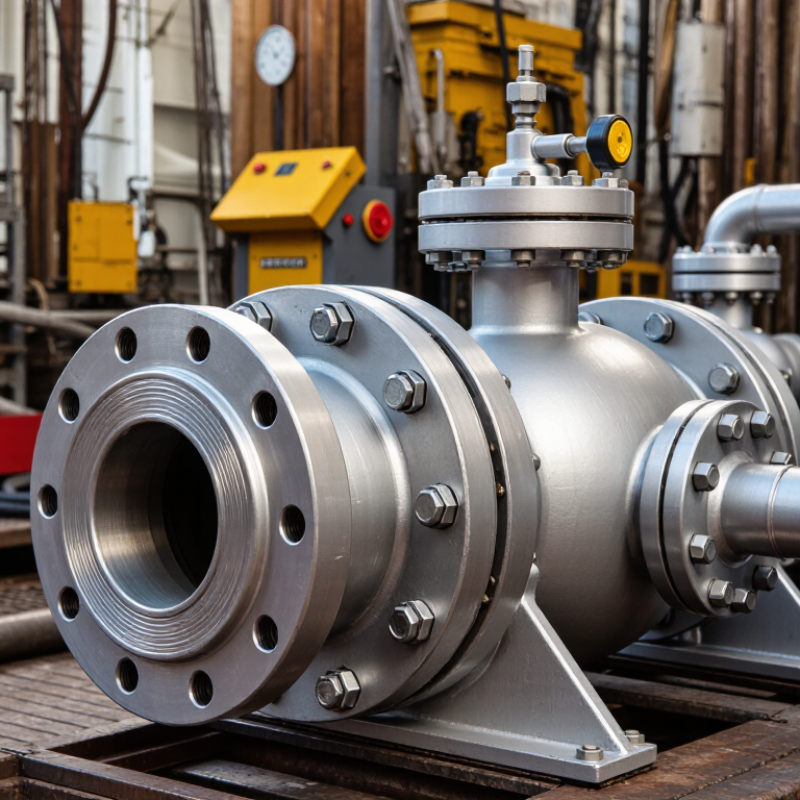
A mud pump pulsation dampener is a pressure-control vessel installed near the pump discharge line. It reduces pressure surges created by the pump’s reciprocating pistons. Without proper damping, the discharge hose may shake, vibrate, or suffer early fatigue. The dampener uses compressed gas above a flexible diaphragm or bladder. As mud pressure rises, the gas compresses. It then releases stored energy when pressure falls. This action smooths the flow.
In field service, correct precharge pressure matters greatly. Too little gas allows weak pulsation control. Too much gas can reduce the vessel’s useful response. Technicians should check pressure when the mud system is isolated and safely depressurized. They should also inspect the shell, flange, bolts, diaphragm, and pressure gauge. Small leaks are easy to miss. They rarely remain small for long.
Selection requires more than matching a pipe size. Engineers should review pump stroke rate, maximum working pressure, mud density, temperature, and connection design. Material compatibility is also important, especially with abrasive or chemically treated drilling fluids. A calculation may look correct on paper, yet field vibration can reveal another problem. I have found that installation alignment is often underestimated. The vessel needs firm support, a clean connection, and enough access for inspection. Performance should be verified through pressure readings and vibration checks, not appearance alone.
How Does a Pulsation Dampener Improve Drilling Performance?
A pulsation dampener smooths the pressure waves created by reciprocating mud pumps. Without it, each piston stroke can send a sharp pressure surge through the discharge line. These repeated shocks may disturb flow, fittings, valves, and downhole tools. A properly charged dampener acts like a flexible cushion. It absorbs part of the surge and releases energy more evenly.
During field commissioning, technicians often notice steadier pressure readings after correct dampener adjustment. The pump sounds less harsh. The discharge hose moves less. Drilling fluid reaches the bit with fewer abrupt changes, which can support more stable hydraulics and cleaner hole cleaning. Smoother pressure also helps operators control weight on bit and pump speed with greater confidence. Small gains matter.
Sizing and pre-charge pressure require careful attention. An oversized unit may respond slowly, while an incorrect gas charge can reduce its effect. Temperature, mud density, pump speed, and line volume also influence performance. It is not a cure-all. I have seen stable pressure hide a restricted liner or worn valve. That assumption can become expensive. Regular inspections, pressure checks, and maintenance records provide stronger evidence than gauge readings alone. The best result comes from matching the dampener to the complete circulation system, not treating it as an isolated accessory.
Key Features of China-Made Pulsation Dampeners
China Top Mud Pump Pulsation Dampener Supplier?
China-made pulsation dampeners are designed to smooth pressure fluctuations in drilling mud systems. Their key feature is a flexible bladder or diaphragm that absorbs pressure peaks before they reach the discharge line. Reliable models use corrosion-resistant steel bodies, reinforced elastomers, and accurately machined fluid connections. These details matter near a mud pump, where vibration, abrasive particles, and sudden pressure changes create constant stress.
A practical dampener should match the pump’s flow rate, maximum working pressure, connection size, and operating temperature. A visible pressure gauge helps technicians check pre-charge conditions during routine service. Replaceable bladder assemblies can reduce downtime, but only when spare parts remain available. Hydrostatic testing and documented inspection records also support safer purchasing decisions. Still, specifications on paper are not enough. A cheaper unit may look suitable, yet fail early if the bladder material does not match the drilling fluid.
Tips: Check the pre-charge before installation, then inspect it after the first operating cycle. Keep the dampener close to the pump discharge line. Confirm flange dimensions with a physical drawing, not memory. Small errors can delay commissioning. It is also wise to request pressure-test records, material details, and maintenance instructions from the supplier. I have found that buyers sometimes focus too heavily on price. That choice can overlook service response, seal quality, and delivery of replacement parts. No dampener is perfect for every rig, so reviewing actual field conditions remains necessary.
How to Evaluate a Top China Supplier
China Top Mud Pump Pulsation Dampener Supplier?
How to Evaluate a Top China Supplier
A reliable evaluation starts with technical fit, not a low quotation. Confirm the dampener’s working pressure, design pressure, temperature range, and connection size. Ask whether the bladder suits your drilling fluid and operating conditions. Look beyond price. A cheaper unit may use weaker elastomers or provide limited fatigue data.
Ask for evidence. The supplier should provide material certificates, pressure-test records, non-destructive inspection reports, and clear product traceability. Check whether each vessel carries a serial number linked to inspection documents. Quality systems such as ISO 9001 can support consistency, but certificates alone prove little. Review calibration records and request actual test curves when available. That detail matters.
A capable manufacturer should explain precharge procedures, installation limits, and bladder replacement intervals. Request drawings, maintenance instructions, and spare-part lists before placing an order. Factory experience is easier to verify through production photos, audit access, and customer references from comparable mud pump applications. During a remote inspection, ask to see machining, welding, assembly, and final testing areas. Polished photos are not enough. I would also check response time, packaging quality, warranty terms, and technical support after delivery. A supplier may answer every question confidently, yet still miss a small documentation detail. That gap deserves attention before approval.
How to Evaluate a Top China Mud Pump Pulsation Dampener Supplier
The chart presents a practical procurement weighting model for evaluating pulsation dampener suppliers. Pressure and fatigue performance, material traceability, testing documentation, customization capability, delivery reliability, and after-sales support should all be verified through technical documents, inspection records, and contract terms rather than brand reputation alone.

 24 Hour Service