China Top Cable Connectors Manufacturers for Global Buyers
China has become a major sourcing base for Cable Connectors used in industrial, automotive, telecommunications, and energy applications. Global buyers now expect more than competitive pricing. They need stable materials, accurate dimensions, reliable sealing, and clear production records.
Dr. Paul G. Slade, a recognized specialist in electrical contacts, stated that “the function of an electrical contact is to provide a low-resistance path for current flow.” This principle remains practical today. A connector may look simple. Its performance depends on plating thickness, contact force, insulation quality, and assembly control. Small differences can create serious field problems.
This guide introduces leading China Cable Connectors manufacturers for international buyers. It considers manufacturing experience, technical capability, quality systems, customization support, and export reliability. Some suppliers focus on sealed automotive connectors. Others specialize in circular connectors, terminal blocks, waterproof cable glands, or high-current solutions.
A factory visit can reveal useful details. Check crimp samples, salt-spray records, mold maintenance, and final inspection stations. Ask whether test reports match the actual production batch. Do not rely on attractive catalogs alone.
No supplier ranking is perfect. Buyer requirements differ. A telecommunications project may value shielding, while solar equipment needs weather resistance and long service life. Price also needs careful review. The cheapest Cable Connectors may increase installation costs later.
The following overview offers a practical starting point. It supports informed comparison, but independent sampling and verification remain essential.
Cable Connector Manufacturing in China: Industry Overview and Market Scope
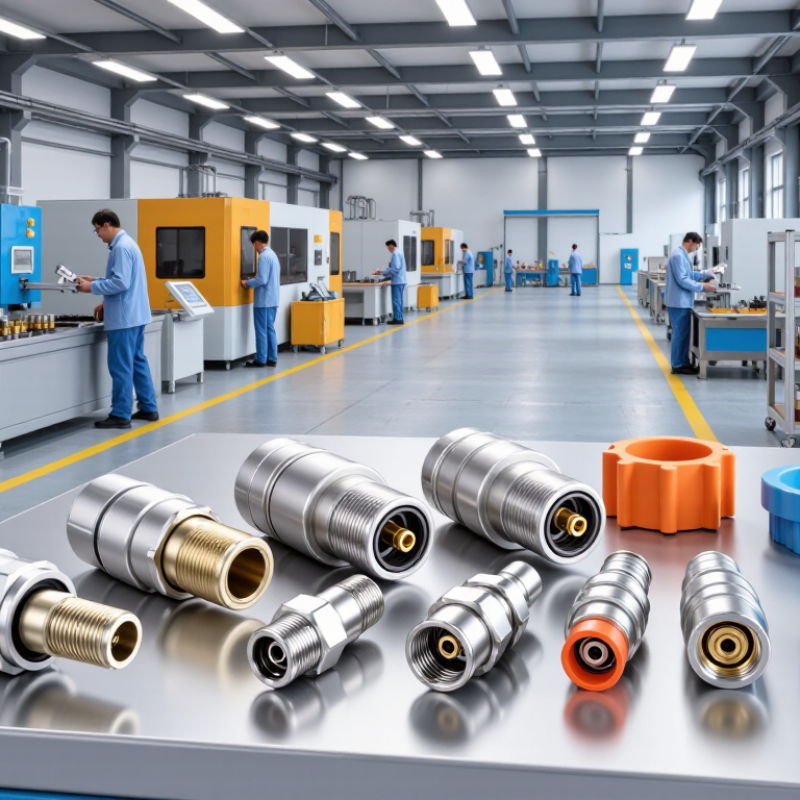
China’s cable connector industry serves telecom, industrial automation, automotive, energy, and consumer electronics markets. Manufacturers commonly produce circular, rectangular, waterproof, board-to-wire, and custom connector systems. Their market scope extends from small domestic orders to high-volume export programs. Production often combines stamping, injection molding, plating, assembly, and electrical testing. This range supports both standard catalog parts and project-specific designs.
For global buyers, capability matters beyond a factory’s equipment list. Experienced suppliers should provide drawings, material data, tolerance records, and sample approval procedures. They should explain contact resistance, insulation performance, ingress protection, and mating-cycle results. Relevant IEC test methods can support reliable technical comparisons. Independent testing adds confidence when products enter regulated markets.
Clear traceability links batches to raw materials, operators, and inspection records. Small details matter. A loose crimp can create heat, signal loss, or early field failure.
China’s competitive advantage includes mature component networks, flexible tooling, and faster production adjustments. However, price comparisons can mislead when tooling, testing, packaging, and certification costs differ. Some suppliers communicate well during sampling but respond slowly after volume orders begin. That weakness deserves attention. Buyers can reduce risk through factory audits, staged payments, pre-shipment inspections, and written change-control rules. Local sourcing teams may also verify production capacity and documentation. No evaluation method is flawless, especially when production changes quietly.
How to Evaluate China’s Cable Connector Manufacturers
Evaluating China’s cable connector manufacturers requires more than comparing online prices. A polished website is not proof of production ability. Request recent factory photos, process records, and a live video audit. Look for controlled crimping, injection molding, plating, and final inspection areas. Ask how operators record defects and separate rejected parts. Small details matter.
Samples should match the planned cable size, insulation material, temperature range, and connection method. Test contact resistance, insulation strength, pull force, vibration performance, and sealing protection where required.
Check terminal materials and plating thickness through documented test reports. Ask whether reports come from independent laboratories. Verify report numbers directly when possible. Do not accept vague claims.
My early mistake was trusting a sample that passed visual inspection. Later, weak crimp force appeared during repeated testing. That changed my supplier evaluation process. I now request pilot batches, batch codes, dimensional reports, and retained samples. Review production capacity against your forecast, not an impressive monthly figure. Confirm tooling ownership, replacement timing, packaging details, and export experience. Clear technical replies usually reveal practical knowledge. Communication can still fail. Therefore, record specifications in drawings and signed quality agreements. No checklist is perfect. Leave room for corrective action, because even experienced manufacturers can miss a defect.
Quality Standards, Certifications, and Production Capabilities
China Top Cable Connectors Manufacturers for Global Buyers
Quality Standards, Certifications, and Production Capabilities
Reliable cable connector sourcing begins with verifiable quality systems, not attractive catalogs. Look for ISO 9001 certification, controlled documents, and inspection records with clear revision dates. Depending on the destination market, products may require IEC testing, UL recognition, RoHS compliance, or REACH documentation. Certifications should match the exact connector series and factory location.
Production capability deserves close attention. Experienced manufacturers usually control stamping, injection molding, plating, crimping, and final assembly in measured stages. Ask for contact resistance results, insertion-cycle data, waterproof testing, and temperature performance. Traceability matters. Each batch should connect to material lots, machine settings, and inspection reports. Samples reveal habits.
A practical factory should provide engineering drawings, tolerance details, and test samples before mass production. It should also explain tooling ownership, capacity limits, and corrective-action procedures. Automated optical inspection can reduce missed defects, but it cannot replace skilled process review. No factory is flawless. A polished certificate file can still hide weak training or inconsistent incoming materials. Buyers should audit critical processes, verify laboratory reports, and compare production samples with approved specifications. Even small differences in plating thickness or crimp height may create field failures months later.
Sourcing, Customization, Pricing, and Export Considerations
China-based cable connector manufacturers can support global buyers with standard and customized solutions. Sourcing should begin with the application, not the catalogue. Define voltage, current, contact material, insulation grade, mating cycles, and operating temperature. Request drawings, material declarations, test reports, and production samples. A factory audit can reveal details that online photos cannot, including crimping equipment, inspection records, and storage conditions.
Customization may include terminal geometry, locking systems, cable length, plating thickness, labeling, and packaging. Share a clear drawing with tolerances and acceptance standards. Small design changes can affect tooling costs and lead times. Pricing should separate tooling, unit cost, testing, packaging, and shipping. Ask for tiered quotations at realistic volumes. The lowest offer may hide weaker materials or incomplete testing. I have found that sample approval often prevents expensive production corrections, although it can slow purchasing schedules.
Tips: Compare at least three qualified suppliers, but do not compare prices alone. Confirm Incoterms, payment stages, minimum order quantity, carton dimensions, and spare quantities. For exports, verify product classification, destination requirements, labeling rules, and documents such as commercial invoices and packing lists. Request pre-shipment inspection photos and retain approval samples. Communication gaps still happen, especially with technical translations. Use numbered drawings and written change control. Be cautious with urgent promises. Reliable suppliers explain limitations before accepting an order.

 24 Hour Service