China Top 10 Rotary Screw Compressor Manufacturers
Choosing among China’s top 10 rotary screw compressor manufacturers takes more than comparing prices or advertised capacity. A factory floor tells a fuller story: air demand rises and falls, dust gathers around intake filters, and a small leak can keep a machine working after production stops. Details matter. Buyers should compare actual flow and pressure requirements, motor efficiency, control systems, service coverage, spare-parts access, and warranty terms. A polished brochure cannot answer every question.
Machinery reliability authority Heinz P. Bloch has written extensively about compressor reliability and maintenance. A practical paraphrase of his guidance is this: match equipment to its operating duty, then maintain it for dependable service. That principle helps frame this guide. It looks at manufacturers through product range, engineering capability, quality assurance, customization, and support—not brand claims alone. Where available, readers should verify specifications, certifications, and service arrangements directly with each supplier. Regional availability and model configurations can change.
There is no universal winner. A compact workshop may need a different machine from a plant running several shifts in a humid environment. Even this comparison has limits: published specifications do not always reveal performance under a buyer’s exact conditions. Use the manufacturer shortlist as a starting point, then request operating data and a clear service plan. A thoughtful selection may cost more upfront. The payback depends on real operating hours, energy use, and maintenance—not assumptions.
What Rotary Screw Compressors Are and How They Work
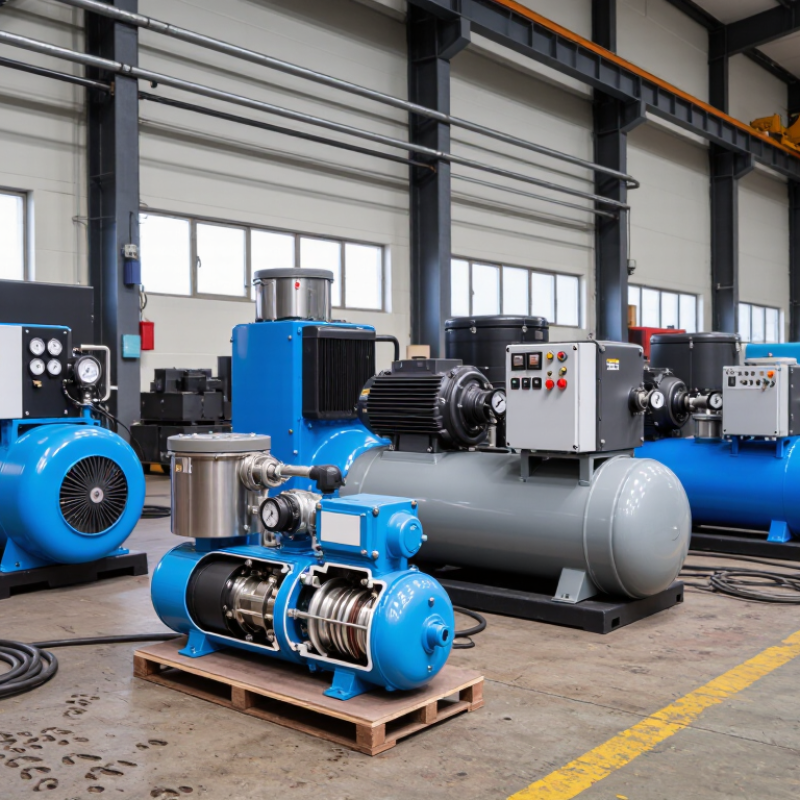
A rotary screw compressor uses two meshing helical rotors to compress air continuously. As the rotors turn, air enters through the inlet and becomes trapped between their grooves and the housing. The available space gradually shrinks, raising the air pressure before it reaches the outlet. The flow is steady. Compared with piston machines, this design usually produces less pulsation, which can suit equipment that needs a consistent air supply.
Many industrial models inject oil into the compression chamber to seal gaps, cool the rotors, and reduce friction. A separator then removes most of that oil from the compressed air. Oil-free designs keep oil out of the compression chamber, but their downstream air can still contain moisture. A dryer may be needed. This detail is easy to miss. The best choice depends on required pressure, air quality, and demand throughout the workday—not simply the machine’s rated output.
Tips: Check filters and coolers regularly, and keep the ventilation area clear. Watch operating temperature and listen for changes in sound. Drain condensate as specified, since standing water can damage parts of an air system. Record pressure and service dates. Small checks help, though they cannot replace a proper maintenance plan.
China’s Role in the Global Compressor Manufacturing Industry
China’s role in the global compressor manufacturing industry rests on more than production volume. A dense network of metalworking, motor, control, and component suppliers supports the manufacture of rotary screw compressors. In some industrial zones, a casing, air-end components, and electrical controls can be sourced within a relatively short distance. That proximity can shorten development cycles and help manufacturers respond to different operating requirements.
The advantage is practical. But it is not automatic. Consistent machining, assembly procedures, and load testing determine whether a compressor performs reliably after installation. Buyers can ask for test records, maintenance guidance, and clear specifications for airflow, pressure, and energy use.
A quiet test bay may show a polished unit; operating conditions on a dusty factory floor are less forgiving. Details count.
Chinese manufacturers also contribute to global supply through export experience and product options for varied markets. Improvements in motor efficiency, monitoring, and heat management are shaping current designs. Still, specifications can be difficult to compare when test conditions differ. I would treat broad performance claims cautiously and verify them against documented measurements. The industry’s next gains will depend not only on capacity, but also on transparent quality control and dependable after-sales support. That work is ongoing.
Criteria for Selecting China’s Leading Compressor Manufacturers
China’s leading rotary screw compressor manufacturers should be compared on measured performance, not catalogue claims. The U.S. Department of Energy’s Improving Compressed Air System Performance sourcebook reports that compressed air can account for about 10% of industrial electricity use. That makes specific power, measured in kilowatts per unit of delivered airflow, a serious buying criterion. Ask for ISO 1217 test results, pressure and flow curves, and test conditions. Numbers need context.
Check air-quality options against ISO 8573-1, then match filtration and drying to the actual process. Review component traceability, warranty terms, service coverage, spare-parts lead times, and maintenance intervals. A low purchase price can become expensive when a filter blocks or service takes days. Supplier claims are not always easy to compare. Request comparable, independently witnessed tests where possible. It takes effort, but it helps.
Tips: Ask for a site-specific lifecycle-cost estimate using annual operating hours, electricity tariffs, and load profile. Verify sound levels and outlet temperatures for the proposed configuration. Keep some skepticism; no single efficiency figure predicts performance in every plant.
Profiles of China’s Top 10 Rotary Screw Compressor Manufacturers
China’s rotary screw compressor manufacturers serve factories, workshops, and other demanding operations. A useful profile looks beyond production scale. It examines compressor sizes, pressure options, motor configurations, and the conditions each unit is designed to handle. Details matter.
Across ten manufacturer profiles, compare engineering capabilities and practical support. Check whether product information includes airflow at stated pressure, operating noise, cooling requirements, and service intervals. Ask how control systems respond when demand changes during a shift. These details can affect energy use and maintenance planning. A clear specification sheet helps, but it cannot replace an application review.
The profiles should also consider customization, export experience, spare-parts availability, and technician training. Look for evidence such as documented testing procedures and realistic service commitments, rather than broad claims alone. A polished catalogue is not proof of long-term reliability. Some public information may be incomplete, and that deserves a follow-up question. Buyers can compare each manufacturer against their site conditions, including dust levels, ambient temperature, and daily operating hours.
How to Compare Manufacturers by Technology, Applications, and Support
When comparing China’s ten leading rotary screw compressor manufacturers, look beyond headline capacity and price. The U.S. Department of Energy’s Improving Compressed Air System Performance handbook reports that compressed air can use about 10% of industrial electricity, and much more in some facilities. That makes specific power, measured air delivery, and part-load efficiency important comparison points. Ask suppliers for test conditions and ISO 1217 performance data. Small details matter.
Match compressor design to the actual job. A food plant may prioritize air quality and stable pressure, while a metal shop may need reliable output through long production shifts. Compare variable-speed control, cooling arrangements, noise levels, and maintenance access against your duty cycle. The ISO 8573-1 air-quality classification can help clarify filtration requirements. A published efficiency figure is useful, but it may not reflect your site’s heat, dust, or fluctuating demand.
Support deserves the same scrutiny as technology. Check commissioning procedures, technician coverage, spare-parts availability, and realistic response times for your location. Request a sample maintenance schedule and clarify which components need frequent replacement. One limitation: supplier documents rarely reproduce every factory’s operating conditions, so independent verification may be worthwhile. A polished catalogue cannot replace a clear service plan.

 24 Hour Service