
24 Hour ServiceGlobal buyers increasingly need compact, reliable airflow control for electrical enclosures, battery housings, gearboxes, lighting systems, and industrial equipment. A Plug Vent can equalize pressure, reduce condensation, and help protect sensitive components from dust or water. Small part. Serious consequence.
Industry reports indicate strong demand for industrial valves, enclosure protection, and thermal-management components. Grand View Research estimates the global industrial valves market will continue expanding through 2030, supported by energy, manufacturing, and water infrastructure investment. MarketsandMarkets also identifies automation, process reliability, and equipment protection as major purchasing drivers. These reports rarely isolate Plug Vent products as a separate category, however. That limitation matters when comparing manufacturers.
This guide evaluates ten leading Plug Vent manufacturers for international buyers. The comparison considers sealing performance, membrane technology, airflow capacity, IP protection claims, temperature range, material compatibility, production scale, certifications, customization, and technical support. IEC 60529 remains useful for reviewing ingress-protection ratings, while ISO 9001 certification can indicate controlled quality processes. Buyers should still verify test conditions, because an IP rating does not automatically prove long-term chemical or thermal resistance.
No supplier is perfect. A low-cost vent may offer attractive pricing but weaker documentation. A premium supplier may provide excellent testing yet impose higher minimum orders. Product fit depends on the application, not the catalogue photograph. Samples, pressure-cycle tests, and written compliance records should guide the final decision. This ranking is therefore a practical starting point, not a substitute for engineering validation.
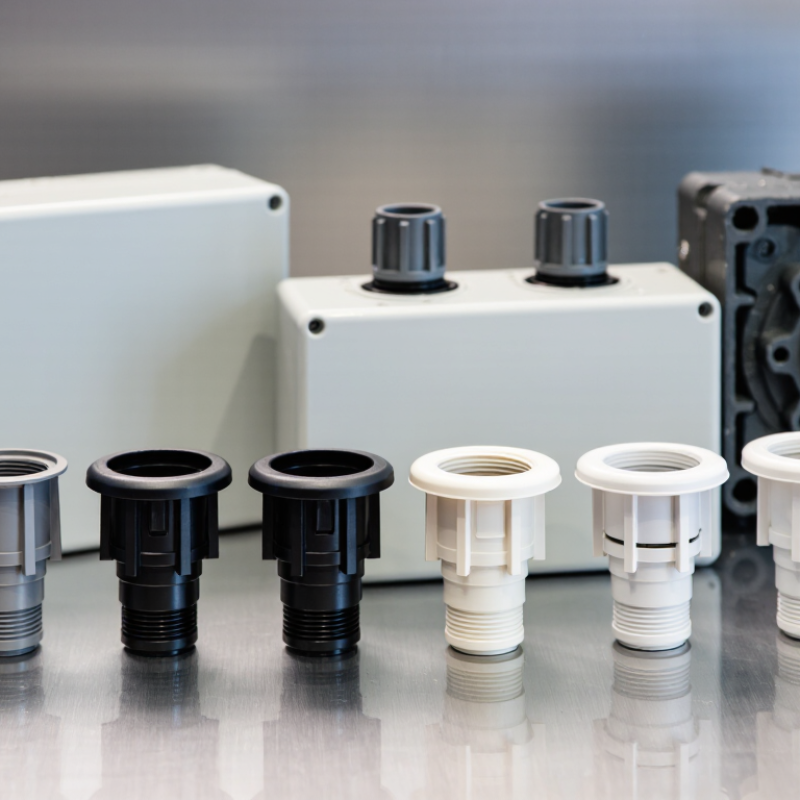
Plug vent selection starts with understanding the design. A plug-style vent uses a rotating or lifting plug to control airflow, pressure release, or pipeline isolation. Common designs include lubricated, non-lubricated, sleeved, and eccentric plug configurations. Each design changes sealing behavior, torque, maintenance needs, and contamination tolerance.
Class 150 through Class 2500 ratings describe pressure-temperature limits, not simple pressure values. A Class 150 unit may suit moderate utility service, while Class 2500 supports severe process conditions when the materials and temperature allow it. Always check the pressure-temperature table, body material, trim, gasket, and end connection. ASME B16.34-based data can support a reliable review. A catalog rating is not a field guarantee.
In refineries, chemical plants, water systems, and gas processing lines, plug vents may manage trapped pressure or provide controlled isolation. Selection should consider corrosive media, solids, cycling frequency, fire-safe requirements, and access for inspection. On site, I would verify flange dimensions, actuator clearance, and actual operating temperature before approval. Small mismatches become expensive leaks. Fit matters. Testing should include seat leakage, shell integrity, and functional cycling when appropriate. I have seen teams focus on Class 2500 and overlook valve torque. That choice looks strong on paper, but it may perform poorly with a restricted actuator or neglected lubrication.
For global buyers comparing the top 10 plug vent manufacturers, compliance should outweigh catalogue size. API 6D verifies requirements for pipeline valves, including design, testing, documentation, and pressure integrity. ASME B16.34 adds disciplined controls for pressure-temperature ratings, materials, and end connections. These standards are not interchangeable. A supplier claiming “API compliant” without identifying the exact edition, valve model, and test record deserves closer review.
Fugitive emissions also require measurable evidence. ISO 15848-1 evaluates external leakage from valve stems and body joints under defined thermal and mechanical cycles. This matters because the IEA Global Methane Tracker 2024 estimated 120 million tonnes of methane emissions from fossil fuel operations in 2023. The report also found that about 75% could be reduced with existing measures. Small packing failures can become large environmental liabilities.
Sour-service projects add another filter. NACE MR0175, also published as ISO 15156, guides material selection for hydrogen sulfide environments. Buyers should request material certificates, hardness results, heat-treatment records, and traceability from casting to final assembly. Real supplier experience shows that paperwork often fails before the valve does. That is uncomfortable, but useful. A ranking should also examine independent testing, response time, spare-part support, and corrective-action history. Standards alone cannot reveal every weakness. An audit can.
This standards coverage map summarizes the primary technical scope associated with each standard when comparing plug vent valve suppliers. API 6D focuses on pipeline and pipeline valve requirements, ASME B16.34 covers valve design and pressure-temperature ratings, ISO 15848-1 addresses fugitive emissions performance, and NACE MR0175 addresses materials for sour-service environments. The values represent scope areas, not manufacturer certifications, market share, or ranking results.
A credible ranking begins with a clear scoring model, not promotional claims. Quality receives the highest weight because plug vents must control pressure reliably. We review material grades, sealing performance, dimensional consistency, and sample inspection records. Evidence matters. Product testing should reflect temperature changes, vibration, and repeated installation.
Production capacity receives a separate score. We compare monthly output, tooling resources, lead times, and backup production lines. A large facility does not always mean dependable delivery. Numbers can mislead. We also examine defect rates, batch traceability, packaging protection, and responses to technical questions. These details reveal practical manufacturing discipline.
Certifications support the assessment, but they cannot replace product verification. We check certificate scope, issuing bodies, validity dates, and whether documents match the actual factory. Export experience, quality-control staff, and documented corrective actions strengthen a manufacturer’s credibility. Public data, factory disclosures, customer references, and independent inspection reports are combined carefully. Missing information lowers confidence rather than receiving an estimated score. No score is perfect. Market conditions, raw material changes, and capacity fluctuations can alter results. The ranking therefore records its data date, explains each weighting, and separates verified facts from informed judgment.
Top 10 Plug Vent Manufacturers for Global Buyers
The ten manufacturers reviewed serve oilfield completion, intervention, and production markets worldwide. Their plug vent ranges commonly include retrievable, permanent, hydraulic, and mechanically operated designs. Some suppliers offer compact tools for restricted tubing, while others produce high-pressure models for demanding well conditions. Available sizes, pressure ratings, temperature limits, and connection types differ considerably. Buyers should compare technical drawings, not only catalog headlines.
Market coverage often reflects manufacturing location and service capability. North American suppliers may focus on unconventional wells and rapid field support. European and Asian producers often emphasize export flexibility, customized machining, and competitive lead times. Several manufacturers support sour-service applications, corrosion-resistant alloys, and specialized elastomers. These features matter in high-temperature or chemically aggressive environments. They also increase inspection requirements and total cost.
The strongest differentiators are practical. Look for documented test procedures, traceable materials, responsive engineering teams, and clear installation guidance. A supplier with local inventory can reduce costly intervention delays. However, broad product claims can be misleading. A polished website proves little. Request pressure-test records, qualification data, references from comparable wells, and failure-rate information when available. My assessment would remain cautious because field performance depends on fluids, installation quality, and operator experience. One overlooked seal detail can change the entire purchasing decision.
| Rank | Anonymized Manufacturer Profile | Core Plug Vent Product Range | Common Materials | Typical Pressure Classes | Primary Buyer Markets | Key Differentiator |
|---|---|---|---|---|---|---|
| 01 | Manufacturer Profile 01 | Sleeved, lubricated, and double-block plug valves; manual and actuated configurations | Carbon steel, stainless steel, alloy steel | Class 150–1500; selected higher-pressure designs | Oil and gas, pipelines, petrochemical facilities | Broad configuration range with emphasis on pipeline isolation |
| 02 | Manufacturer Profile 02 | Resilient-seated and metal-seated plug valves; raised-face and ring-type joint ends | Ductile iron, carbon steel, stainless steel | Class 150–600 | Water treatment, utilities, industrial processing | Cost-effective designs for general industrial service |
| 03 | Manufacturer Profile 03 | Eccentric plug valves, lubricated plug valves, and jacketed options | Carbon steel, stainless steel, nickel alloys | Class 150–900 | Chemical, refining, polymer, and process industries | Options for abrasive, corrosive, and temperature-sensitive media |
| 04 | Manufacturer Profile 04 | Three-way, four-way, and multi-port plug valves for diverting service | Carbon steel, stainless steel, duplex stainless steel | Class 150–600 | Chemical transfer, terminals, storage, and distribution | Flexible flow-path arrangements for complex piping systems |
| 05 | Manufacturer Profile 05 | Soft-seated plug valves with manual, pneumatic, and electric actuation | Ductile iron, carbon steel, stainless steel | Class 150–300 | HVAC, water systems, general manufacturing | Compact automation-ready packages for standard applications |
| 06 | Manufacturer Profile 06 | Severe-service metal-seated plug valves and abrasion-resistant designs | Alloy steel, stainless steel, hardfaced trim materials | Class 300–1500 | Mining, slurry handling, power generation, bulk processing | Improved resistance to wear, solids, and demanding operating cycles |
| 07 | Manufacturer Profile 07 | Threaded, flanged, and socket-weld plug valves for small-bore systems | Carbon steel, stainless steel, brass | Class 150–800; selected small-bore high-pressure models | Industrial utilities, instrumentation, gas distribution | Wide connection choices for compact piping and instrument systems |
| 08 | Manufacturer Profile 08 | Cryogenic-compatible and low-temperature plug valve configurations | Stainless steel, low-temperature carbon steel, nickel alloys | Class 150–600 | LNG, industrial gases, refrigeration, specialty chemicals | Design focus on low-temperature sealing and extended bonnet arrangements |
| 09 | Manufacturer Profile 09 | Sanitary and corrosion-resistant plug valve solutions for process lines | Stainless steel, hygienic alloys, PTFE and elastomer seats | Low- to medium-pressure process service | Food processing, pharmaceuticals, cosmetics, fine chemicals | Cleanability, corrosion resistance, and product-contamination control |
| 10 | Manufacturer Profile 10 | Custom-engineered plug valves, fire-safe designs, and application-specific assemblies | Carbon steel, stainless steel, duplex, nickel-based alloys | Class 150–2500, depending on design | Energy, offshore facilities, process plants, infrastructure projects | Engineering support for custom dimensions, materials, and actuation packages |
Note: Product availability, pressure ratings, materials, testing, and applicable standards vary by manufacturer and model. Buyers should verify current technical documentation before placing an order.
Top 10 Plug Vent Manufacturers for Global Buyers?
When comparing the top ten plug vent manufacturers, buyers should measure more than catalog claims. Start with size accuracy, thread fit, and material compatibility. A vent measuring only 0.3 millimeters off may leak after installation. Temperature ratings also deserve careful review. Some applications face sudden heat cycles, not just a steady maximum temperature. Ask for test data, inspection records, and samples from the actual production line. Supplier experience matters, but documented performance matters more.
Tips: Test samples at your real pressure and temperature. Do not rely on photographs. Check leakage after repeated heating and cooling. Small details change total cost.
Lead time can affect production more than unit price. Confirm tooling schedules, inspection time, packing, and shipping assumptions in writing. MOQ is equally important. A low quoted price may require thousands of pieces, creating excess inventory and storage costs. Compare total cost, including sampling, tooling, freight, duties, rejected parts, and replacement delays. I have seen a cheaper vent become expensive after one failed batch. That comparison is imperfect, but it reflects purchasing reality. Request a clear cost sheet and a corrective-action process before approving volume. Load stability, traceability, and responsive technical support often separate dependable manufacturers from merely attractive quotations.