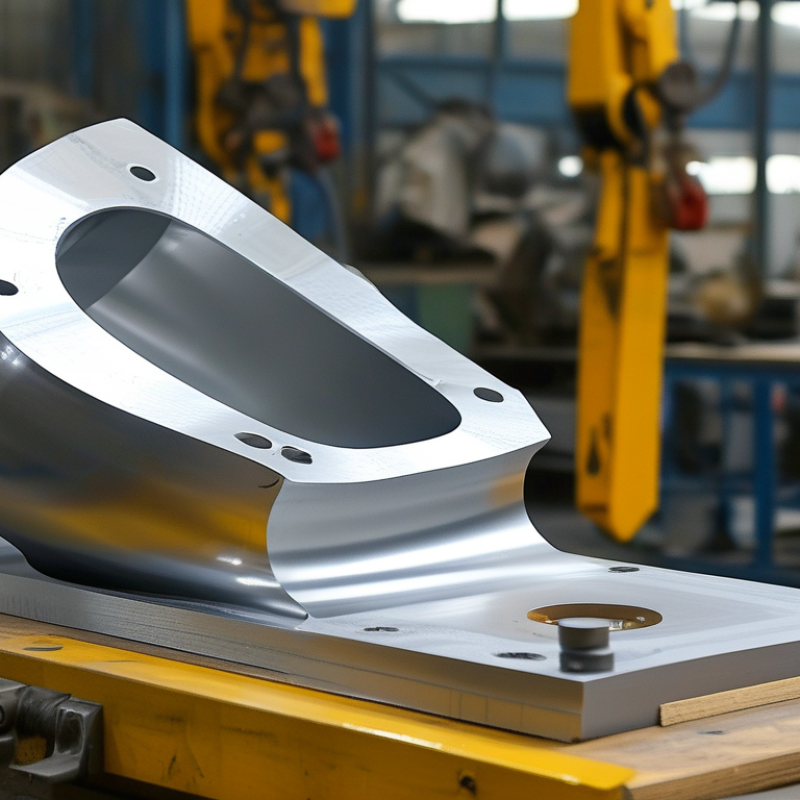
What is Sheet Metal Prototyping Benefits for Global Buyers?
Sheet Metal Prototyping has become a vital process for industries worldwide. It enables designers and engineers to create precise parts efficiently. The benefits of this approach extend far beyond simple cost savings.
For global buyers, the advantages are clear. Speed is a crucial factor. Rapid prototyping allows for quick iterations. This means products get to market faster. Quality also improves. Advanced techniques enhance accuracy, which reduces rework and waste. Connecting with reliable suppliers further ensures consistency.
However, challenges exist. Sourcing sheet metal prototypes from overseas can lead to communication issues or shipping delays. Buyers must be cautious about choosing suppliers who may not meet quality standards. It's essential to balance cost with the reliability of service. These reflections can lead to more informed decisions in the sheet metal prototyping landscape.
Benefits of Sheet Metal Prototyping for Global Buyers
Sheet metal prototyping offers several advantages for global buyers. This method is essential for evaluating designs before mass production. It allows for quick adjustments, which is crucial in a fast-paced market. By testing a prototype, buyers can ensure that their specifications are met. This process minimizes unexpected costs down the line.
One significant benefit is the speed of production. Sheet metal prototypes can be created rapidly. This agility enables companies to respond to market changes swiftly. Buyers can gather feedback on the prototypes and make necessary modifications. This iterative process is invaluable for refining designs.
Consider collaborating closely with engineers. Clear communication during the prototyping phase can lead to better outcomes. Buyers might want to establish a timeline for revisions. Testing various materials can also help in choosing the best option for the final product. Be mindful of how each material behaves under stress. Always be ready to reassess designs based on testing outcomes.
Cost Efficiency in Sheet Metal Prototyping
Cost efficiency in sheet metal prototyping is a prominent advantage for global buyers. By using advanced techniques like laser cutting and CNC machining, manufacturers can produce various designs at lower costs. This efficiency translates to quicker delivery times and reduced overall project expenses. Businesses can allocate funds to other crucial areas, such as marketing and innovation.
When venturing into sheet metal prototyping, precise planning is essential. Miscalculations can lead to unexpected expenses. A thorough understanding of material selections and production methods is vital. Consider using digital design tools to visualize prototypes effectively. This step can minimize costly errors before actual production begins.
One should also evaluate suppliers carefully. Quality and reliability vary significantly. It’s worthwhile to request samples or conduct trials. Long-term partnerships can enhance both quality and cost efficiencies. Aim for a supplier who is transparent and responsive. This approach fosters trust and can lead to better deals as your production needs evolve.
What is Sheet Metal Prototyping Benefits for Global Buyers? - Cost Efficiency in Sheet Metal Prototyping
| Benefits | Description | Cost Savings (%) | Time Efficiency (Days) |
| Reduced Material Waste | Utilizing precise cutting techniques minimizes excess material. | 15% | 1 Day |
| Faster Turnaround Times | Rapid prototyping allows for quick revisions and updates. | 20% | 2 Days |
| Lower Production Costs | Optimized designs lead to simpler manufacturing processes. | 25% | 3 Days |
| Customizability | Ability to create tailored solutions for specific needs. | 10% | 4 Days |
| Enhanced Prototyping Accuracy | Advanced technologies improve precision in prototypes. | 30% | 2 Days |
Accelerating Product Development with Sheet Metal Prototypes
Sheet metal prototyping offers numerous advantages for global buyers. It streamlines the product development cycle significantly. With quick turnaround times, designers can test their concepts in real-world scenarios. This approach allows for immediate feedback and revisions. Rapid iteration means that any design flaws can be corrected early in the process.
Using sheet metal prototypes can reduce costs. Traditional methods often involve expensive tooling and long lead times. In contrast, sheet metal prototypes require minimal investment in tools. This accessibility encourages innovation and experimentation. However, while rapid prototyping shines in many areas, it isn't foolproof. Sometimes, the prototypes may not capture all the nuances of the final product.
Collaboration is essential in this process. Effective communication between engineers and manufacturers can help minimize misunderstandings. Buyers should be aware that not every design will translate perfectly to production. Engineers must fine-tune their designs once they see the prototypes. Balancing speed and quality is crucial for successful outcomes. Emphasizing these details can lead to more refined, market-ready products.
Enhancing Design Flexibility Through Sheet Metal Prototyping
Sheet metal prototyping offers significant design flexibility for global buyers. In industries like automotive and aerospace, manufacturers need to iterate designs rapidly. Traditional methods often delay projects. With sheet metal prototyping, creating custom parts is faster and more efficient. This rapid production allows designers to visualize changes promptly and make informed decisions.
Flexibility is a core advantage of sheet metal prototyping. Designers can easily alter dimensions or shapes without extensive modifications. This responsiveness is vital when testing multiple designs. Small adjustments in prototypes can reveal critical performance insights. Buyers appreciate the opportunity to explore various configurations before settling on a final product.
Despite its many benefits, challenges exist. Not all designs translate seamlessly into sheet metal. Complex geometries may require additional considerations. Each prototype needs thorough testing to ensure it meets required standards. Some buyers may still struggle with misconceptions about the material's limits. Open communication between designers and buyers is essential for successful outcomes.
Improving Quality Control in Sheet Metal Prototyping
Quality control in sheet metal prototyping is crucial for global buyers. Efficient prototyping reduces errors, leading to better end products. According to a recent report by the International Journal of Advanced Manufacturing Technology, quality defects can cost manufacturers up to 15% of their total production resources. This statistic underscores the importance of investing in robust quality control processes during prototyping.
Implementing advanced techniques, like laser measurement and automated inspection, enhances accuracy. These systems can identify flaws not easily detected by the human eye. For instance, a study found that automated inspections improved defect detection rates by over 30%. This approach allows manufacturers to address potential issues early in the production process, minimizing waste and reducing costs.
However, challenges persist. Not all manufacturers fully understand the latest quality control technologies. Some continue relying on outdated methods, which can lead to inconsistencies. This gap highlights the need for ongoing education in the industry. Quality improvement requires constant adaptation and learning. As such, fostering a culture of quality is essential for long-term success in sheet metal prototyping.
Benefits of Sheet Metal Prototyping for Global Buyers

 24 Hour Service