
24 Hour ServiceA Pneumatic Air Pick is a compact tool that uses compressed air to deliver rapid, forceful impacts. It is commonly used for breaking concrete, loosening compacted soil, removing masonry, and opening narrow channels. Unlike electric breakers, it has no internal motor or battery. Instead, pressurized air drives a piston inside the tool, creating repeated blows through a fitted bit.
The operating principle is simple but surprisingly precise. When the trigger opens the air valve, compressed air enters the cylinder. The pressure pushes the piston forward, striking the bit against the working surface. Internal ports then redirect the airflow, moving the piston back for another cycle. This motion can repeat hundreds or thousands of times per minute, depending on the model, air pressure, and tool design. You can feel the vibration through the handle.
In practical work, performance depends on more than impact speed. A clean air supply, correctly sized hose, suitable compressor, and sharp bit all affect results. Manufacturers usually specify operating pressure and air consumption, so those figures deserve careful attention. Ignoring them may cause weak impacts or premature wear. The tool can also become tiring during extended use. That point is easy to underestimate. Proper eye, hearing, hand, and foot protection remains essential, especially when chips and dust scatter across the work area. Although the mechanism appears straightforward, safe and efficient operation requires training, inspection, and realistic expectations. This guide explains how a Pneumatic Air Pick works, where it performs best, and what experienced users should consider before choosing one.
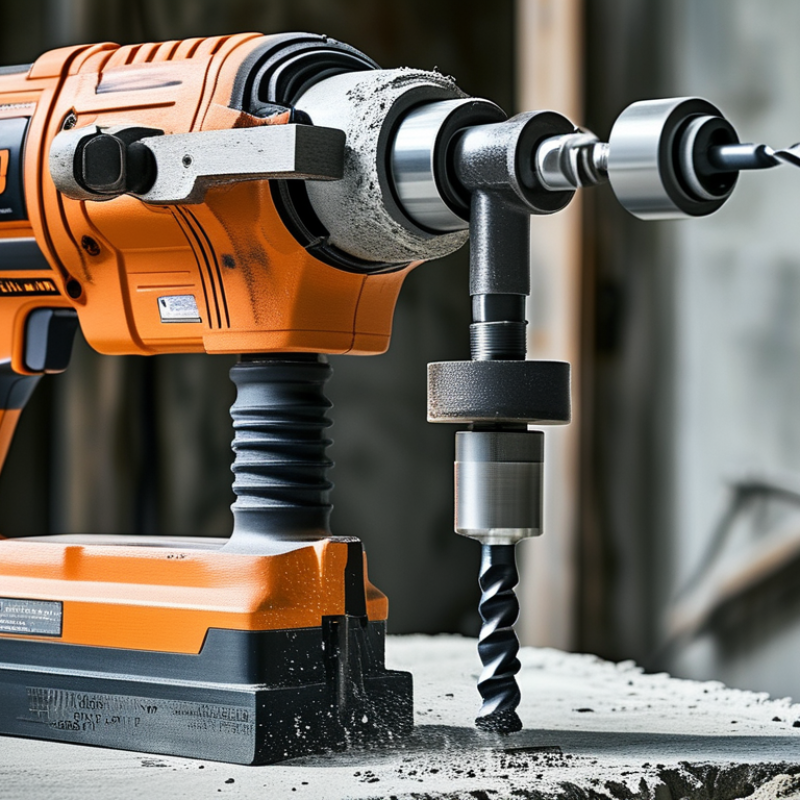
A pneumatic air pick is a compact impact tool powered by compressed air, not electricity or fuel. Its normal working range is 90–100 psi, equal to about 6.2–6.9 bar. Inside the housing, a control valve directs air against a reciprocating piston. The piston strikes a fitted bit, converting air pressure into repeated impacts. Operators use these impacts to break compacted soil, scale, asphalt, masonry, and other resistant materials.
The pressure number is not a performance promise. Actual force depends on piston size, stroke length, air volume, hose diameter, and bit condition. A restricted hose can make a 100 psi supply feel surprisingly weak.
The U.S. Department of Energy’s Improving Compressed Air System Performance guide reports that leaks may waste 20–30% of compressor output. That loss can reach the tool before work begins.
A regulator, moisture separator, and properly sized hose provide more reliable operation.
Noise and vibration require equal attention. NIOSH recommends limiting occupational noise exposure to 85 dBA over eight hours, using a 3 dB exchange rate. Air picks can exceed that level, especially near concrete or steel.
Hearing protection, eye protection, gloves, safety footwear, and controlled bit inspection are practical safeguards. One field assumption deserves review: heavier pressure is not always better.
Excess pressure may accelerate wear, increase noise, and reduce control. The correct setting should be verified at the tool inlet, not only at the compressor.
A pneumatic air pick converts compressed air into rapid, forceful impacts. Its main working parts are the valve, piston, cylinder, retainer, and chisel. The valve directs air into alternating sides of the piston. This controls the piston’s forward and return strokes.
The piston moves inside the cylinder with a tight, sliding fit. Air pressure pushes it forward, while redirected air brings it back. Each cycle strikes the chisel’s rear end. The chisel then transfers that impact into concrete, masonry, soil, or other approved materials. The cylinder must remain clean and properly lubricated. Even small amounts of grit can increase wear and reduce impact strength.
The retainer holds the chisel in position during operation. It should allow controlled movement without excessive looseness. A worn retainer may cause vibration, uneven blows, or unsafe tool movement. Check the chisel for mushroomed ends and cracks before use. Do not ignore small damage. It can grow quickly under repeated impact.
In practical maintenance, the valve is often overlooked. That is a mistake. Weak airflow, clogged passages, or incorrect pressure can make the tool feel defective. The real problem may be upstream. Operators should follow the tool’s pressure requirements, secure hose connections, and wear eye, hearing, hand, and foot protection. The ideal cycle is rarely perfect. Regular inspection still makes its performance far more predictable.
| Component | Primary Function | How It Works | Typical Materials | Key Design or Operating Considerations | Common Wear or Failure Symptoms |
|---|---|---|---|---|---|
| Valve | Controls the admission and exhaust of compressed air. | The valve alternates air pressure between the upper and lower sides of the piston, creating repeated reciprocating motion. | Hardened steel, stainless steel, or engineered wear-resistant alloys. | Valve timing, sealing quality, air cleanliness, and correct lubrication affect impact rate and efficiency. | Reduced impact, irregular operation, excessive air consumption, or air escaping through the exhaust. |
| Piston | Converts pneumatic energy into mechanical impact energy. | Compressed air drives the piston back and forth inside the cylinder. The piston transfers its forward momentum to the chisel or anvil area. | Hardened alloy steel is commonly used to resist repeated impact and surface wear. | Mass, stroke length, surface finish, and clearance must be matched to the cylinder and valve system. | Low striking force, vibration changes, scoring, deformation, or metal particles in the lubricant. |
| Cylinder | Provides the precision bore and housing in which the piston moves. | The cylinder guides the piston and contains the compressed air chambers required for each operating cycle. | Steel, alloy steel, or other durable metal suitable for pressure, impact, and wear. | The bore must remain smooth and correctly sized. Contaminated air can accelerate internal wear. | Air leakage, loss of power, rough operation, piston sticking, or visible scoring inside the bore. |
| Retainer | Holds the chisel or working tool in the nose of the air pick. | The retainer allows the chisel to move axially during impact while preventing it from falling out during handling and operation. | Hardened steel or other high-strength wear-resistant metal. | It must be correctly secured and compatible with the tool shank. Excessive looseness can cause noise and unsafe movement. | Chisel dropout, excessive tool rattle, accelerated nose wear, or difficulty installing the working tool. |
| Chisel | Transfers impact energy to the material being removed, cut, or loosened. | The piston strikes the chisel directly or through an internal impact surface, concentrating force at the working tip. | Heat-treated alloy steel designed for impact and abrasion resistance. | Tip geometry should match the task, such as pointed, flat, or cutting profiles. The shank must be clean and properly lubricated. | Blunt or mushroomed tip, cracking, bending, reduced penetration, or excessive vibration. |
| Air Inlet and Hose | Delivers compressed air to the tool. | Compressed air enters through the inlet, passes through the control valve, and powers the piston cycle. | Steel or brass inlet fittings; reinforced rubber or polymer air hose. | Many handheld air picks operate around 5–7 bar (approximately 70–100 psi), but the tool specification takes priority. Hose size and length influence pressure drop. | Slow cycling, weak impact, unstable speed, or excessive pressure loss at the tool inlet. |
| Lubrication System | Reduces friction and protects internal moving parts from corrosion and wear. | A compatible pneumatic-tool oil is supplied through the air inlet or an in-line lubricator, depending on the tool design. | Specialized pneumatic-tool lubricant; seals are typically made from oil-compatible elastomers. | Use only the lubricant specified for the tool. Too little oil increases wear, while excessive oil can contaminate the exhaust and work area. | Overheating, dry metallic noise, sticking components, premature seal wear, or oily exhaust. |
| Exhaust Port | Releases used compressed air after each piston cycle. | The valve directs spent air away from the working chambers, allowing the piston to reverse direction repeatedly. | Machined metal housing, often with a protective screen or muffler element. | The exhaust must remain unobstructed. Directional exhaust features can help reduce dust and operator discomfort. | Back pressure, reduced operating speed, unusual noise, or air discharge from an unintended location. |
A pneumatic air pick is a compact impact tool for breaking hard materials, cleaning castings, or loosening compacted soil. Its power comes from compressed air, not an electric motor. Air enters the cylinder and drives a piston forward. A control valve then redirects the air behind the piston, sending it backward. This rapid cycle repeats thousands of times.
Many air pick specifications show 1,600–2,000 blows per minute. That equals roughly 27–33 impacts every second. Each impact transfers the piston’s energy through a pointed bit or chisel. The actual rate changes with air pressure, hose size, piston stroke, and material resistance. The headline number can mislead. A loaded tool may strike more slowly.
Air quality and supply stability matter. ISO 8573-1 classifies compressed air by particles, water, and oil, all of which can affect valve movement and wear. The U.S. Department of Energy’s Improving Compressed Air System Performance sourcebook reports that leaks may waste 20–30% of compressed-air capacity in poorly maintained systems. That loss reduces impact consistency. In practical use, operators should inspect couplings, drain moisture, and match the hose to the tool’s airflow demand. I would not judge performance by blows per minute alone. Consistent force matters more.
How compressed air produces 1,600–2,000 blows per minute
A pneumatic air pick uses compressed air to drive an internal piston or hammer forward and backward inside the tool. Each complete cycle creates an impact, producing approximately 1,600 to 2,000 blows per minute, equivalent to about 26.7 to 33.3 blows per second. The actual rate depends on air pressure, airflow, tool condition, and material resistance.
A pneumatic air pick converts compressed air into repeated piston impacts. Most units operate near 90 psi, or 6.2 bar, but the correct pressure depends on the tool design. The cycle begins when the intake valve admits air into one side of the cylinder. Pressure rises quickly. The piston then accelerates forward and transfers force to the working bit. Keep the air line short and dry. Moisture can damage valves and reduce impact consistency.
The piston does not move once. It reverses through timed air passages. After expansion, used air exits through exhaust ports. The valve then redirects fresh air behind the piston. That pressure drives the piston back for another stroke. This sequence repeats many times per second. The U.S. Department of Energy reports that compressed-air leaks can waste 20–30% of compressor output. A leaking coupling can therefore weaken the cycle before air reaches the tool.
The cycle looks simple on paper. Real operation is less tidy. Cold air can freeze moisture near the exhaust. Restricted hoses can delay piston return. Excess pressure may increase wear without improving useful impact. The Compressed Air and Gas Institute recommends checking flow, pressure, lubrication, and hose sizing during pneumatic-tool evaluation. Operators should listen for uneven exhaust sounds. They often reveal trouble earlier than a visual inspection. One detail is easy to miss: exhaust timing controls feel, vibration, and productivity, not only piston speed.
A pneumatic air pick is a compact percussion tool for breaking concrete, masonry, soil, or compacted materials. Compressed air drives an internal piston, which repeatedly strikes the attached steel point or chisel. Its practical air demand is commonly 4–6 cubic feet per minute, but pressure and material can change consumption. That range is a guide, not a promise.
Choose a compressor that exceeds the tool’s stated demand, especially during continuous work. Use clean, regulated air and follow the specified pressure. Lubrication matters. Add the recommended pneumatic oil through the air inlet at the service interval. Too little oil increases friction and wear; too much can foul internal parts. In field use, poor lubrication often appears as sluggish blows, heat, or unusual noise. Stop and inspect the tool instead of forcing it. Wear safety glasses, hearing protection, cut-resistant gloves, sturdy footwear, and a face shield when fragments may fly.
Tips: Inspect the chisel, retainer, hose, and fittings before connecting air. Secure the hose against sharp edges and sudden movement. Keep both hands controlled on the tool. Disconnect the air supply before changing accessories or clearing a jam. Even experienced operators can rush this check. That is where preventable mistakes begin.