What is Led Glass Display and How Does it Work?
In today's digital age, visual displays continue to evolve, capturing attention in innovative ways. One standout technology is the Led Glass Display. This unique medium merges art with technology, offering endless possibilities for design. It creates stunning visuals, transforming ordinary spaces into extraordinary experiences.
Led Glass Displays operate using light-emitting diodes mounted within glass panels. This combination allows for vivid colors and dynamic imagery. Unlike traditional screens, Led Glass Displays are sleek and modern. They can be used in a variety of settings, from retail environments to artistic installations.
The use of Led Glass Displays is not without challenges. Installation requires precision and expertise to ensure optimal performance. Furthermore, maintenance can be complex due to the glass structure. Despite these issues, the display's versatility and impact are undeniable. It remains a captivating choice for innovative visual communication.
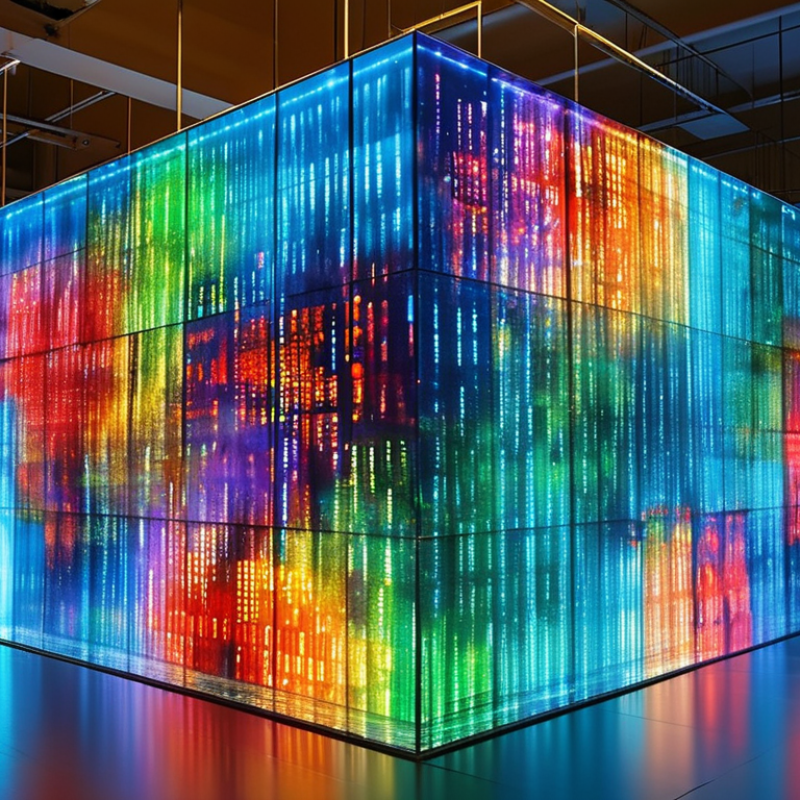
What is an LED Glass Display? A Comprehensive Overview
LED glass displays are innovative structures that combine transparency with vibrant visuals. These displays consist of LED technology embedded within glass panels. This unique integration allows for high-definition imagery while maintaining a lightweight and sleek design. Manufacturers often use this technology in urban settings, galleries, and modern retail spaces. The clear surface allows for seamless viewing from both sides, creating an engaging experience.
The operational mechanism of LED glass displays relies on individual LED lights that emit vivid colors. These LEDs are strategically placed to ensure uniform light distribution. Control systems manage the images displayed, allowing for dynamic content changes. While the technology holds great promise, challenges remain. Achieving perfect transparency and image quality can be difficult. Moreover, outdoor visibility in bright sunlight requires continual refinement. As developers work to overcome these obstacles, the impact of these displays on communication and design continues to grow.
The Technology Behind LED Glass Displays: Key Components and Functionality
LED glass displays represent an innovative fusion of technology and design. Their functionality hinges on several key components, primarily LED modules, glass substrates, and control systems. The LED modules emit light, providing vivid colors and sharp images. According to industry reports from 2022, the market for LED displays, including glass variants, is projected to reach over $29 billion by 2026, highlighting their increasing demand.
The glass substrate in LED displays is vital. It allows for transparency while providing structural support. This feature enables unique applications, including architectural installations and commercial displays. Research indicates that the transparency of these displays can exceed 90%, making them visually appealing without obstructing views. However, maintaining image quality and brightness at varying angles remains a challenge.
Control systems manage the display's operation, syncing visuals across the panels. These systems often incorporate sophisticated software, fostering interactive capabilities. Despite their advantages, the complexity of integration can lead to inconsistent performance. As the technology evolves, achieving both seamless integration and high-quality output is critical. Stakeholders in the industry must navigate these challenges to optimize functionality and user experience.
Applications of LED Glass Displays in Modern Architecture and Advertising
LED glass displays have transformed modern architecture and advertising. They combine transparency with vibrant visuals. This technology allows buildings to showcase captivating digital content while maintaining their structural integrity. According to a recent report by MarketsandMarkets, the global LED display market is projected to reach $106.61 billion by 2026, reflecting a growing trend in their use.
In architecture, LED glass displays offer innovative possibilities. They can transform facades into dynamic canvases, attracting attention in urban environments. For example, large-scale installations can change an entire building’s appearance overnight. Similarly, in advertising, the interactivity of these displays engages audiences more effectively. Data shows that 83% of consumers find digital signage more engaging than traditional media. However, factors like display brightness and angle can impact visibility, requiring careful planning.
Adoption extends beyond commercial uses. Museums and galleries are integrating LED glass displays to enhance visitor experiences. Yet, challenges remain. The installation costs can be significant. Maintenance is another concern. As technology evolves, these issues must be addressed for broader acceptance. Understanding both the potential and limitations of LED glass displays is crucial in driving innovation in this field.
What is Led Glass Display and How Does it Work? - Applications of LED Glass Displays in Modern Architecture and Advertising
| Application | Description | Benefits | Common Features |
| Store Fronts | Used for advertising and showcasing products in retail spaces. | Attracts customers, enhances visibility. | High brightness, customizable content. |
| Interior Decoration | Used for interior design elements in commercial and residential spaces. | Creates stunning visual effects, adds ambiance. | Variety of colors, programmable displays. |
| Billboards | Large outdoor displays for advertisements and promotions. | High visibility, dynamic content. | Weather-resistant, high resolution. |
| Event Displays | Used in concerts, exhibitions, and public events to display information. | Engages audience, enhances experience. | Flexible sizes, easy configuration. |
| Smart Building Integration | Integrated into building facades as part of smart city projects. | Improves building aesthetics, provides information to passersby. | Energy-efficient, digitally connected. |
Benefits of Using LED Glass Displays: Energy Efficiency and Versatility
LED glass displays are gaining popularity for their energy efficiency and versatility. These displays combine glass transparency with LED technology, creating stunning visual effects without obstructing light. They are perfect for retail stores, corporate environments, and modern architecture.
Energy efficiency is one of the main advantages. LED displays consume less power compared to traditional lighting. This translates to lower electricity bills and a reduced carbon footprint. In commercial settings, this can significantly impact operational costs. Versatility is another strong point. They can be customized in various sizes and shapes, fitting seamlessly into different design aesthetics.
When investing in LED glass displays, consider the installation process. It can be complex, requiring professional expertise. Ensure that you choose a qualified vendor for both installation and maintenance. Regular upkeep is vital to keeping displays in top condition.
Think about the content you want to display. Creative visuals are essential, as they can draw attention. Stay updated with design trends to keep your content fresh. Mistakes in planning can hinder the effectiveness of your display. Taking a little time to design thoughtfully can lead to better engagement.
Future Trends in LED Glass Display Technology and Market Growth Projections
The LED glass display market is on the brink of significant transformation. Recent reports project robust growth, estimating a compound annual growth rate (CAGR) of over 25% between 2023 and 2030. This forecast highlights the increasing demand for transparent displays in various applications, including retail and architecture. Companies are keen to leverage LED glass to create immersive customer experiences, blending digital technology with physical environments.
Innovation is driving the evolution of LED glass technology. Manufacturers are focusing on improving resolution and energy efficiency. The advent of flexible LED glass displays is also noteworthy, allowing for unique designs and applications. However, challenges such as high production costs and durability concerns remain. Industry leaders emphasize the need for advancements in materials and manufacturing processes to make this technology more accessible.
Market analysts suggest that urbanization and smart city initiatives will further propel demand. A surge in consumer interest in aesthetically appealing advertisements is changing landscape design. The shift toward sustainability also plays a role; LED technology is more energy-efficient than traditional displays. Continuous investment in research and development is vital. Stakeholders must address issues around performance and cost if they want to capitalize on this promising sector.

 24 Hour Service