
24 Hour ServiceChoosing the Top Lip Gloss Maker for Global Buyers requires more than comparing product photos or factory prices. Market evidence shows why this decision matters. Grand View Research valued the global lip gloss market at approximately USD 3.77 billion in 2023. Its report also forecasts steady growth through 2030. McKinsey’s beauty industry analysis expects the wider global beauty market to approach USD 580 billion by 2027. These figures suggest strong demand, but they do not guarantee a reliable supplier.
A capable Lip Gloss Maker should demonstrate practical manufacturing experience, clear ingredient control, and consistent quality documentation. Buyers should examine shade uniformity, applicator fit, filling accuracy, and leakage performance. A sample tube should survive shipping simulation without staining its carton. That small detail can affect retail returns. Suppliers following cosmetic good manufacturing practices, such as ISO 22716 principles, offer stronger process transparency. They should also provide INCI ingredient lists, batch records, stability testing, and appropriate export documents. Requirements still vary by destination, so independent regulatory review remains important.
Price alone can mislead. A cheaper gloss may hide weaker packaging, unstable pigments, or slower corrective support. No supplier is perfect. Even an experienced factory may need improvement in color matching or lead-time planning. Global buyers should therefore compare audited evidence, not confident promises. The strongest maker combines flexible formulation, scalable production, responsible sourcing, and responsive communication. This guide examines those qualities closely, while recognizing that market reports provide direction, not a final purchasing decision.
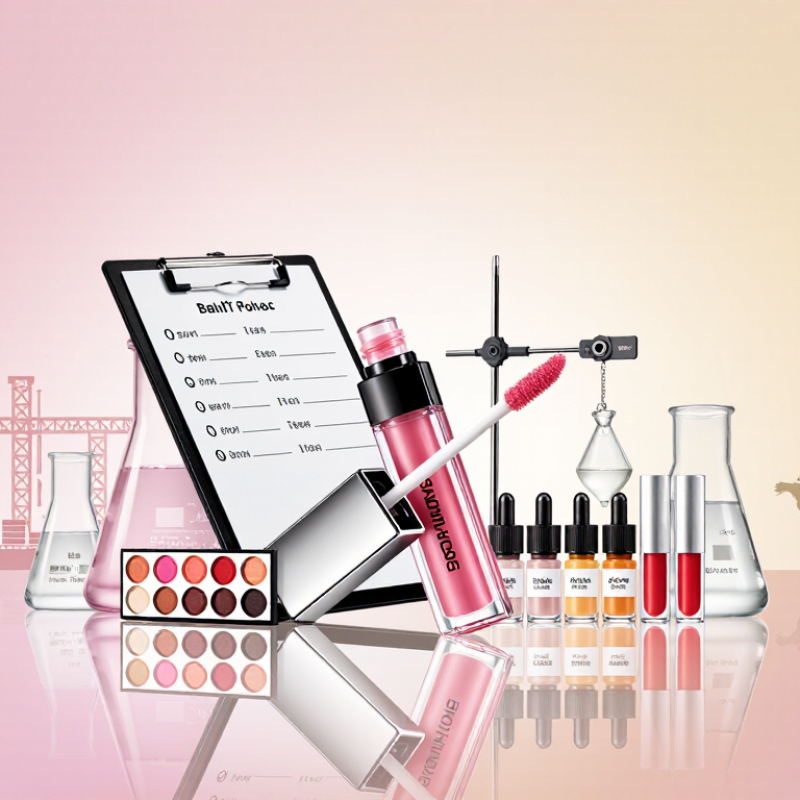
A top lip gloss maker offers more than attractive colors and smooth textures. Global buyers need consistent formulas across repeated production runs. The gloss should apply evenly, feel comfortable, and maintain its shine without excessive stickiness. Details matter. A professional manufacturer should explain ingredient functions, testing methods, shelf life, and storage conditions clearly.
Reliable production begins with documented quality procedures and traceable raw materials. Buyers should ask for stability data, microbial testing, safety assessments, and complete product documentation. Manufacturing facilities should follow recognized cosmetic quality standards and maintain clean, controlled production areas. A capable maker also checks filling accuracy, closure quality, labeling details, and packaging compatibility. Small errors can damage customer trust.
Flexibility is equally important for international projects. A strong supplier can support different shades, finishes, applicators, package sizes, and order volumes without losing consistency. Clear samples and realistic timelines help buyers make better decisions. Communication should remain direct when a request is difficult or a formula needs adjustment. No supplier is flawless. I would still question unusually low prices, vague certificates, and promises without written evidence. Trust grows through tested samples, transparent records, and performance over time. Small batches reveal problems early. That is useful.
A capable lip gloss maker should offer clear, tinted, shimmer, plumping, and nourishing formulas. Each type needs different testing priorities. Clear gloss exposes cloudiness and bubbles quickly. Tinted gloss requires stable pigments and consistent color across production batches. Shimmer products need evenly dispersed particles, without a rough feel on the lips.
Grand View Research estimated the global lip gloss market at about USD 3.2 billion in 2023. Its report also projects steady growth through 2030. These figures are useful, but they are estimates, not promises. Buyer demand can change with climate, packaging trends, and regional preferences. Product data should therefore support, not replace, practical sampling.
Formulation standards matter more than attractive claims. A reliable manufacturer should work under ISO 22716 cosmetic good manufacturing practices. Stability testing should examine heat, cold, light, odor, color, and viscosity. Microbiological testing is essential, especially for water-containing formulas. Packaging compatibility also deserves attention. A gloss may leak, separate, or damage its applicator after storage.
Global buyers should request ingredient specifications, batch records, safety assessments, and test reports. Color additives must meet the requirements of the target market. Heavy-metal limits need documented control. I would also check pilot samples after several weeks, not only on delivery day. That step is easy to skip, and it sometimes reveals the real weakness.
A reliable lip gloss maker treats safety as a production system, not a marketing phrase. Cosmetics Europe’s Market Performance 2023 report valued European cosmetics sales at about €89 billion. That scale increases pressure on every batch. Incoming oils, pigments, fragrances, and packaging should receive documented identity and contamination checks. Small details matter.
ISO 22716 Good Manufacturing Practices support controlled production, hygiene, training, and traceability. A professional factory should test microbial quality, viscosity, odor, color, and packaging compatibility. Stability testing can reveal separation after heat exposure or leakage during transport. Heavy-metal screening is also important for colored formulas. It is not glamorous work. It prevents avoidable failures.
Regulatory files must match each destination. Under EU Regulation (EC) No 1223/2009, a cosmetic product needs a safety assessment and responsible person before sale. In the United States, the 2023 Modernization of Cosmetics Regulation Act introduced facility registration and product-listing duties, with certain exemptions. Global buyers should request batch records, ingredient specifications, certificates of analysis, and claim-support documents. However, paperwork alone cannot prove factory discipline. An announced audit may show only a prepared room. Unannounced checks and retained samples provide stronger evidence. Even experienced manufacturers can miss a weak seal or an inconsistent applicator. That possibility deserves honest review.
For global buyers, a top lip gloss maker must offer more than attractive color. Packaging should protect the formula, survive shipping, and support clear product information. Grand View Research estimated the global lip gloss market at about USD 3.1 billion in 2023. Its report also forecasts steady growth through 2030. That growth increases pressure on packaging quality and production consistency.
A reliable supplier should provide airless tubes, squeeze tubes, or doe-foot applicators matched to the formula. Recycled plastic, refill concepts, and lightweight components can reduce material use. The Ellen MacArthur Foundation reports that packaging represents about 40% of global plastic use. Small changes matter. Buyers should request component specifications, migration testing, compatibility tests, and production samples. A glossy bottle can still fail during temperature changes. I have seen attractive packaging create avoidable leakage risks.
Customization should cover shades, finishes, logos, carton design, and minimum order quantities. Private label services work best when the maker supports formula development, stability testing, batch records, and regulatory documentation. ISO 22716-based manufacturing practices can strengthen quality control. The 2024 McKinsey beauty market analysis projects the global beauty sector could reach approximately USD 590 billion by 2028. However, rapid growth should not replace careful review. Buyers need transparent lead times, traceable raw materials, and inspection procedures before shipment. A supplier that explains limitations is often more dependable than one promising everything.
Top Lip Gloss Maker for Global Buyers?
Choosing a lip gloss supplier for international orders requires more than comparing price lists. I examine product samples, factory records, and communication habits before discussing large quantities. A reliable maker should explain the formula, filling process, packaging options, and expected shelf life clearly. Ask for ingredient documentation and market-specific compliance files. Do not accept vague promises.
Samples reveal more. Order several shades from different production batches when possible. Check texture, scent, gloss level, applicator quality, and leakage after transport. I also test packaging in warm and cold conditions. A supplier may offer an attractive sample but deliver inconsistent bulk goods. This happened in one early sourcing project. I trusted the first sample too quickly.
Request a written quotation showing minimum order quantity, lead time, payment stages, carton details, and inspection terms. Production photos can help, but independent quality checks provide stronger evidence. Confirm whether the supplier can maintain color accuracy across repeat orders. Ask how complaints are recorded and corrected. Good suppliers answer with records, not pressure. Trust, but verify. Clear communication matters when time zones, translations, and shipping delays create confusion. The strongest partner usually admits limitations and suggests practical adjustments. That honesty is more valuable than polished sales language.