Hydraulic Proportional Valve Tips for Optimal Performance?
Hydraulic Proportional Valves play a crucial role in modern industrial applications. These valves allow for precise control over fluid flow and pressure. According to a report by MarketsandMarkets, the hydraulic valve market is expected to reach $10.3 billion by 2025, growing at a CAGR of 5.6%. This growth reflects the increasing demand for automation in various industries, including automotive and aerospace.
Selecting the right hydraulic proportional valve is essential for optimal performance. It directly impacts system efficiency, responsiveness, and reliability. However, many users overlook key performance tips. For instance, maintaining proper fluid cleanliness and temperature can significantly extend valve life. Failure to do so can lead to significant operational costs and system failures, which may diminish overall productivity.
Implementing advanced monitoring systems can also enhance valve performance. Real-time data can provide valuable insights into operational health. Despite these benefits, many companies still hesitate to adapt. Ignoring these innovative practices could prevent them from achieving top-tier performance in their hydraulic systems. Embracing these changes is vital for staying competitive in today’s fast-paced market.
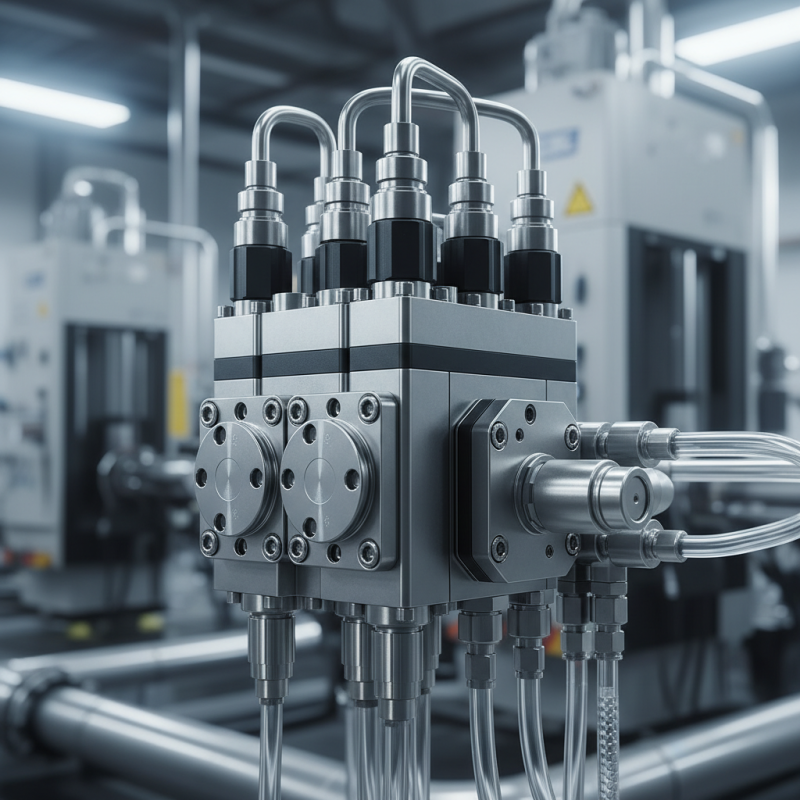
Understanding Hydraulic Proportional Valves and Their Functionality
Hydraulic proportional valves play a crucial role in modern hydraulic systems. These valves control fluid flow and pressure with precision. Their functionality is key in various applications, from heavy machinery to automotive systems. When correctly utilized, they enhance operational efficiency significantly.
According to the International Journal of Fluid Power, improper valve selection can lead to a drop in system performance by up to 30%. It's paramount to understand the specific requirements of your machinery. Accurate sizing and configuration are necessary. Factors such as flow rates and pressure drop must be precisely calculated.
Regular maintenance is also essential for optimal performance. A report by the Hydraulic Institute states that nearly 25% of hydraulic system failures are due to valve malfunctions. This emphasizes the need for regular inspections. Even minor leaks in hydraulic proportional valves can disrupt overall system efficiency. Ensuring that valves are well-calibrated and free from contamination is critical for longevity.
Hydraulic Proportional Valve Tips for Optimal Performance
| Feature | Description | Tips for Optimal Performance |
| Response Time | The time it takes for the valve to respond to input signals. | Minimize tubing length to reduce delays. |
| Flow Rate | The maximum volume of fluid that can pass through the valve per unit time. | Select appropriate valve size based on system requirements. |
| Pressure Rating | Maximum operating pressure that the valve can withstand. | Use valves rated for higher pressures for safety and reliability. |
| Control Mode | The method of control, such as manual, electronic, or proportional. | Implement feedback systems for enhanced control precision. |
| Temperature Range | The operational temperature range the valve can handle. | Ensure ambient temperatures are within the specified range. |
| Maintenance | Regular inspection and servicing of the valve to ensure functionality. | Establish a routine maintenance schedule to prevent failures. |
Key Factors Affecting Performance of Hydraulic Proportional Valves
Hydraulic proportional valves play a crucial role in various industrial applications. Their performance can greatly influence system efficiency. Several key factors affect how well these valves operate.
One major factor is the valve sizing. A valve that is too large won't respond accurately. Conversely, a valve that is too small may not handle the required flow. Pay attention to the flow rate and pressure settings. This will help achieve better control.
Occasionally, cleanliness in the hydraulic fluid is overlooked. Contaminants harm the valve’s internal parts, leading to malfunctions. Regular fluid checks can prevent costly repairs. Additionally, ensure proper installation. An improper setup can lead to inefficient operations.
To optimize performance, consider these tips: Maintain the hydraulic fluid's cleanliness. Check for leaks in the system. Conduct regular maintenance routines. Inconsistencies in performance can signal underlying issues. Listening to these signals is key to effective management.
Tips for Selecting the Right Hydraulic Proportional Valve for Your Application
Selecting the right hydraulic proportional valve can impact overall system efficiency. The market for hydraulic components reached $41.5 billion in 2021 and is expected to grow significantly. Understanding your application’s specific requirements helps narrow down options. Flow rate, pressure ranges, and response times are key variables to consider.
When evaluating potential valves, note the importance of compatibility with existing systems. Some valves may not integrate smoothly, leading to downtime. It's essential to analyze the performance curves in relation to your application. Research shows that 30% of system failures relate to improper component selection.
Another element to reflect on is the size and weight. A valve that fits well can enhance system responsiveness. Moreover, the actual installation space can pose constraints. Less than optimal installation could lead to inefficiencies. Consider all these factors carefully when making your choice.
Maintenance Practices for Enhancing Hydraulic Proportional Valve Longevity
Maintaining hydraulic proportional valves is crucial for their longevity. Regular inspections can prevent unexpected failures. It’s important to check for leaks and signs of wear. These issues may lead to inefficient performance. Addressing them promptly can save time and money in the long run.
Cleanliness is vital for optimal function. Dirt and debris can clog the valve. Regular cleaning can extend its lifespan. Use appropriate cleaning materials to avoid damage. Additionally, oil quality matters. High-water content or contaminants can affect performance. It might seem tedious, but neglecting this aspect can result in significant issues.
Monitor operating conditions regularly. Extreme temperatures or pressures can strain the valve. Document changes in performance over time. This practice helps identify patterns. Sometimes, it’s easy to overlook small changes. Reflecting on these can lead to improved maintenance strategies. Small steps today can lead to significant benefits later.
Troubleshooting Common Issues with Hydraulic Proportional Valves
Hydraulic proportional valves are essential in various industrial applications. However, they often encounter common issues that can affect their performance. One significant problem is hydraulic fluid contamination. Research indicates that around 70% of hydraulic failures stem from contaminated fluids. Regular fluid analysis helps in identifying and addressing contaminants early.
Another frequent issue is valve sticking. This often results from wear on the valve spool or improper alignment. If the valve does not respond smoothly, operations can become erratic. Regular inspection and maintenance are critical. A study found that 40% of hydraulic system downtime was linked to valve malfunctions. Monitoring system pressure can also highlight issues before they escalate.
Lastly, improper tuning can lead to poor responsiveness. Many operators overlook this aspect, leading to inefficiencies. Aim for a balanced setup in your system. This helps maximize performance while minimizing wear and tear. Awareness and proactive troubleshooting can lead to significant improvements in valve performance.

 24 Hour Service