
24 Hour ServiceChoosing the best Foldable Sunroom is less about finding the most attractive model. It is about matching the structure to your space, weather, and daily habits. A sunny patio may need strong UV protection, while a damp garden requires reliable drainage and mold-resistant fabric. Wind matters too. A lightweight frame can feel convenient, yet it may shift when afternoon gusts arrive. That detail is easy to overlook.
Michael R. Chen, an outdoor-living design consultant, offers a practical reminder: “The best sunroom is the one you can safely use, maintain, and store without frustration.” His advice reflects real buying experience. Check the frame material, connection points, zipper quality, ventilation panels, and anchoring system. Touch the fabric if possible. Thin material often feels fine in a showroom but may crease, sag, or tear after repeated folding. Small parts matter.
Measure twice. Fold once.
This guide examines the features that separate a dependable Foldable Sunroom from a temporary-looking shelter. It considers setup time, usable interior height, seasonal storage, rain resistance, and warranty clarity. It also questions some popular assumptions. A higher price does not always guarantee better performance. A larger model may create more comfort but demand stronger anchoring and more storage space. Even experienced shoppers can misjudge these trade-offs. The right choice should feel stable on a quiet morning and sensible after several months of real use.
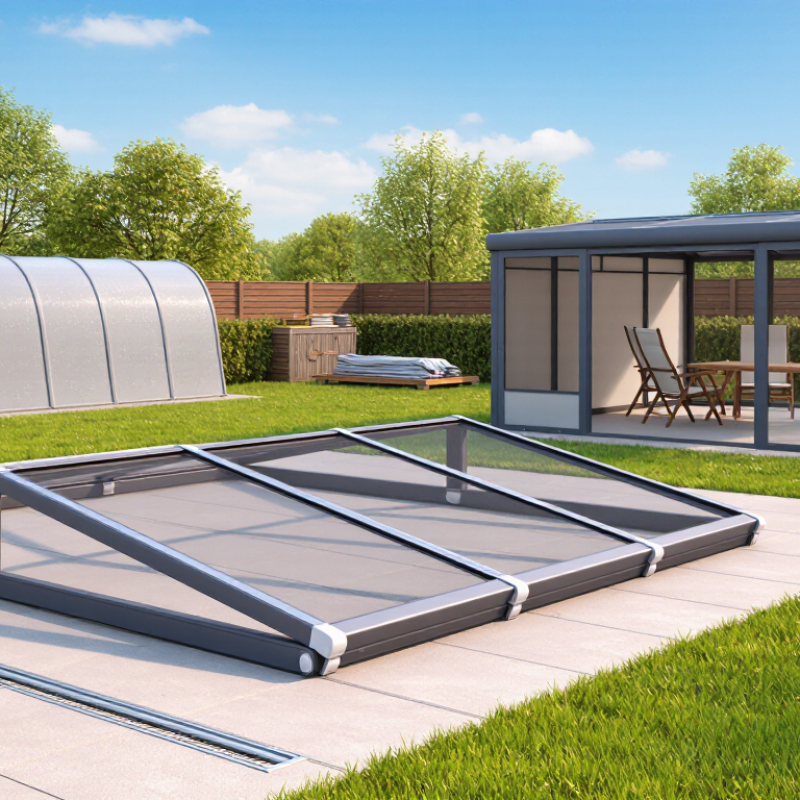
A foldable sunroom is a lightweight outdoor enclosure that opens for fresh air and closes for shelter. It usually has a collapsible frame, flexible panels, and hinged or sliding sections. When opened, the panels stack or fold beside the wall. When closed, they create a brighter room with protection from wind, insects, and light rain. The design does not create a permanent room. Its performance depends on panel quality, frame strength, and correct installation.
Most systems work through tracks, hinges, or folding joints. You guide each section along its track, then secure the final panel with locks or catches. Weather seals reduce drafts, while roof edges direct water away from the opening. Good ventilation still matters. A sealed space can become uncomfortably hot within minutes. Before buying, check the frame’s material, panel clarity, drainage design, and replacement-part availability. Measure the opening twice. A small error can make folding difficult. In my experience, the first setup may feel awkward, especially when the panels are heavy. That is worth considering.
Tips: Choose a model with adjustable supports for uneven floors. Test one complete opening and closing cycle before installation. Keep tracks free of leaves and grit. Inspect hinges after severe weather. Do not rely on thin panels for strong storms unless the supplier provides suitable performance information. I would also leave enough clearance for furniture. This detail is easy to miss.
What Is the Best Foldable Sunroom to Buy?
Foldable sunrooms come in several practical forms. Pop-up models use a flexible frame and fabric walls. They are light, quick to store, and useful for weekend shade. Folding-panel designs use hinged sections, often with clear plastic or glass-like sheets. These feel more stable and protect better against wind. Retractable fabric rooms attach to a wall or terrace. They suit homes with limited space, but installation requires accurate measurements.
Check the frame before admiring the appearance. Powder-coated steel or reinforced aluminum usually offers better strength than thin tubing. The cover should block ultraviolet rays and resist light rain. However, “water-resistant” does not mean stormproof. I once underestimated wind exposure, and a poorly anchored shelter shifted across a patio. Use ground stakes, weighted feet, or approved wall brackets where suitable.
Ventilation matters during warm afternoons. Look for mesh windows, roll-up panels, and two-way openings. A sealed room can become uncomfortably hot within minutes. A zippered door is convenient, but weak zippers may fail after repeated use. Check the packed size, replacement-cover availability, and cleaning instructions. Measure the floor twice, including furniture clearance. A compact model may look efficient online, yet feel cramped beside a table and four chairs. Foldable sunrooms also need dry storage, because damp fabric can develop odors and mildew.
What Is the Best Foldable Sunroom to Buy?
A good foldable sunroom begins with its materials. Powder-coated aluminum frames resist rust and remain light enough for regular movement. Steel frames feel sturdier, but they add noticeable weight. For the cover, reinforced polyester is easier to fold than thick PVC. PVC blocks rain better, though it can become stiff in cold weather. Check the seams, zippers, and corner stitching closely. These small details often fail before the fabric does.
Size should match both use and storage space. Measure the patio before buying, including door clearance and nearby furniture. A compact shelter may suit two chairs and a small table. Larger models offer comfort but can behave like sails during strong gusts. I prefer a little unused floor space. Crowded interiors become difficult to ventilate and clean.
Portability depends on more than a product’s folded dimensions. Look for carry handles, a manageable frame weight, and simple locking joints. A wheeled bag helps on concrete but may struggle on grass. Weather resistance also needs careful judgment. Water-repellent fabric is not always waterproof. Check the hydrostatic rating, roof slope, drainage design, and included anchoring system. Some shelters survive light rain yet leak around poorly protected doors. I once trusted a high rating and ignored the seams. That was a useful mistake. Secure the structure before use, and inspect it after windy nights.
What Is the Best Foldable Sunroom to Buy?
Choosing the best foldable sunroom starts with your local weather, not its appearance. Check the frame’s corrosion resistance, fabric denier, zipper quality, and roof drainage. A lightweight frame is convenient, but it may flex during strong gusts. Confirm the manufacturer’s wind and snow ratings before purchase. The U.S. Department of Energy reports that windows can account for 25–30% of residential heating and cooling energy use. Therefore, look for sealed panels, UV protection, and adjustable ventilation. Clear walls alone may create uncomfortable heat.
Measure the terrace carefully, including door swing and drainage space. A practical inspection should include every corner seam, floor connection, and anchoring point. Ask whether replacement panels and hardware remain available. UNEP’s 2023 Global Status Report says buildings consumed about 34% of global energy in 2022. Better insulation and shading may reduce unnecessary energy demand, although a foldable sunroom is not a full insulation system. That distinction matters. I once underestimated afternoon glare; the room looked bright, but became difficult to use.
Tips: Test the folding mechanism several times before installation. Choose removable screens for cross-ventilation. Avoid models with vague weather claims. Read the assembly instructions before ordering. Keep a small tolerance for uneven flooring. It may prevent a frustrating installation. Also compare warranty exclusions, especially for fabric fading, wind damage, and water leakage. Independent reviews help, but verified technical documents deserve more weight.
A good foldable sunroom should be judged beyond its folded size and attractive photos. Start with installation. Measure the opening, drainage path, floor level, and wind exposure before ordering. The U.S. Department of Energy reports that windows can cause 25–30% of residential heating and cooling energy loss. Therefore, check the panels’ U-factor, solar heat gain coefficient, seals, and shading options. These details affect comfort more than appearance.
Ask whether one person can operate the frame safely. Look for locking points, rounded edges, stable hinges, and clear emergency access. For transparent panels, request test evidence related to air leakage, water penetration, and structural pressure. ASTM E283 and E330 are useful reference standards. Local building officials may also require permits or wind-load documentation. A product may pass a factory test yet perform poorly after careless installation. That possibility deserves attention.
Maintenance should be practical. Inspect tracks after storms, remove grit from hinges, and check seals every season. Replacement parts should have clear availability and pricing. Compare the complete cost: delivery, foundation preparation, installation, drainage, shading, repairs, and winter storage. A low purchase price can become expensive after three years. I would also request a written warranty and photograph every installed connection. My checklist is not perfect; installers sometimes reveal site problems that product brochures hide.