How to Find a Reliable Formwork Supplier in China
Choosing a formwork supplier in China can shape site safety, schedule, and concrete finish. A low quotation may look attractive, but price alone cannot show whether panels will arrive square, joints will fit, or replacement parts will be available. Small details matter.
This guide uses a clearly labeled composite specialist, Alex Chen, to express a practical sourcing principle: “A dependable supplier proves quality in the drawings, the sample, and the shipment—not just in the quotation.” This is an editorially created quotation, not a verbatim statement from a verified individual. Buyers should compare technical drawings, material specifications, stated load capacity, weld quality, surface finish, and packaging. Ask for a production sample or arrange an independent inspection before approving a large order. Check how the supplier handles revisions, defects, and spare parts, too. A polished catalogue is not enough.
Reliable evidence takes time. Even a careful checklist can miss a weak weld or unclear tolerance, so record approvals and inspect delivered goods. I would not treat any single certificate or factory video as proof of consistent performance. Instead, match each claim to documents, samples, and direct answers from the production team. The following sections explain how to assess a formwork supplier in China, compare offers fairly, and reduce avoidable sourcing risks. No shortcut replaces verification.
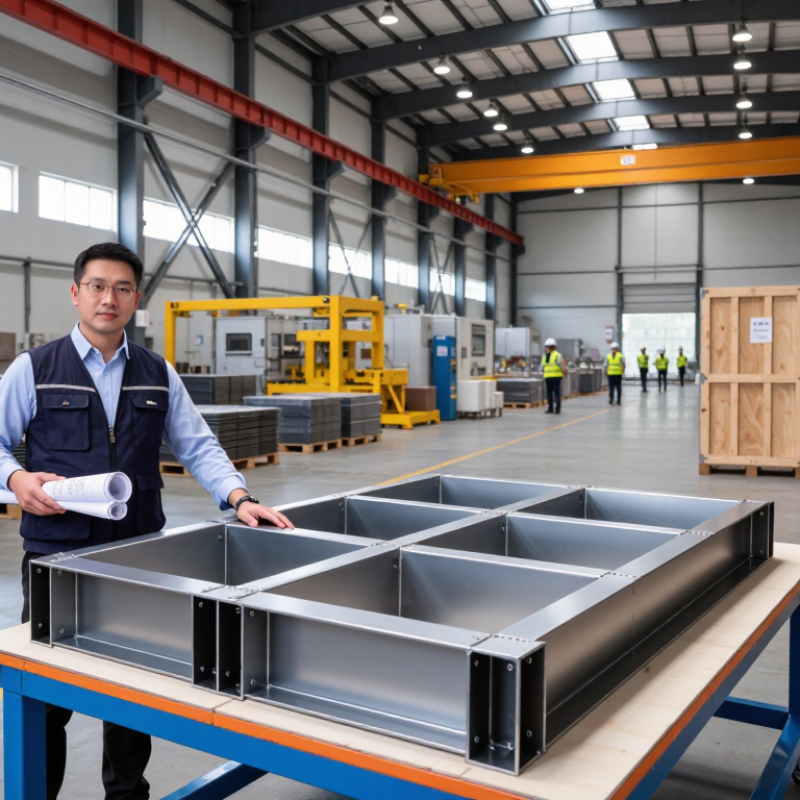
Define Your Formwork Requirements and Project Specifications
How to Find a Reliable Formwork Supplier in China
Define Your Formwork Requirements and Project Specifications
Before contacting suppliers, turn your design into a clear specification. Include wall and slab dimensions, concrete pressure, pour height, required tolerances, and expected reuse cycles. Note whether the project needs timber, steel, aluminum, or a combination. Add site details, such as access limits and available lifting equipment. A precise brief makes quotations easier to compare.
Include drawings, quantities, delivery phases, and any special connection details. Ask suppliers to confirm panel sizes, tie spacing, load data, and assembly requirements in writing. Request relevant test reports and inspection records, then check that documents match the proposed system. A low price can hide missing accessories or assumptions about site conditions. It is easy to overlook small items; one absent tie can delay a pour.
Tips: Send the same specification to every supplier. Ask for a sample layout or shop drawing before production. Check how replacements and technical questions will be handled. Leave room to revise the brief; project details sometimes change after site review.
Identify Supplier Types and Manufacturing Capabilities
A reliable formwork supplier may be a factory, a trading company, or an integrated fabricator. Ask who owns the production line and who checks each batch. A factory should show its cutting, welding, or panel-forming areas, plus records linking materials to finished parts. A trader may still be suitable, but confirm which workshop will make your order. A catalog is not proof.
The scale is substantial: China’s National Bureau of Statistics reported construction output of 31.59 trillion yuan in 2023, up 5.8 percent. That figure describes the wider sector, not formwork production, so it cannot validate an individual supplier. Look for capacity that matches your project: sample panels, dimensional inspection records, load-test reports, and clear drawings for corners and tie holes. Ask how defects are logged and corrected. Small details matter.
McKinsey’s 2017 report, Reinventing Construction, estimated construction productivity growth at about 1 percent annually over two decades, versus 2.8 percent for the global economy. Repeatable factory processes therefore deserve scrutiny. One awkward point: a polished audit can miss peak-season delays. Request a recent production schedule and inspect a live batch, if possible. I would still verify the numbers against the actual order.
Verify Certifications, Experience, and Quality Control
A reliable formwork supplier should provide current certificates with a scope that covers the products and factory you are evaluating. Ask for the issuing body, certificate number, expiry date, and a recent audit record. Then check experience on projects with similar spans, loads, and site conditions. Request drawings, delivery records, and references you can verify. Ask for evidence.
The ISO Survey of Management System Standard Certifications reported 1,265,216 ISO 9001 certificates worldwide in 2022. This broad figure shows the standard’s reach; it does not prove that any one supplier controls quality well. Ask how the factory inspects steel grade, plate thickness, welds, dimensions, and finished panels. Request sample inspection reports, material traceability records, and details of nonconformance handling. If possible, compare a sample panel with its drawing and measure key dimensions yourself. Paperwork can still mislead. A capable supplier should explain failed checks plainly and show how corrections are verified. I would also confirm that the certificates match the actual production site, not just a trading office. A missing or inconsistent record is worth questioning.
Evaluate Product Samples, Pricing, and Delivery Terms
When assessing formwork samples, ask for a full-size panel and inspect it under real site conditions. Check edge straightness, welds, coating, and connector fit. Assemble and strip it several times; small misalignments can slow a crew and leave uneven concrete surfaces. Request the stated material grade and load rating in writing, then compare them with test records. A neat sample is useful, but it cannot prove consistent batch quality.
Compare quotations on the same basis: panel dimensions, thickness, accessories, packaging, and spare-part quantities. Ask whether the price includes export packing, inland transport, and port charges. The World Bank’s 2023 Logistics Performance Index covered 139 economies and assessed six dimensions, including shipment timeliness and logistics quality. Use those factors when checking a supplier’s delivery plan. Ask for production milestones, dispatch documents, and a realistic buffer for port handling. Dates can slip.
Review payment stages and Incoterms carefully. Confirm who arranges insurance, customs clearance, and unloading at destination. Request recent shipment records, not just a promised lead time. One weak point: sample freight may cost more than expected, so include it in your comparison. A short video of a trial assembly can help, but it is not a substitute for inspecting the goods before shipment.

 24 Hour Service