What is a Continuous Furnace and How Does It Work?
In the realm of industrial heating processes, the Continuous Furnace stands out as a vital innovation. This technology enables consistent temperature control and efficient material processing, which is essential in various manufacturing sectors. According to a report by Grand View Research, the continuous furnace market is expected to grow significantly, driven by an increasing demand for efficient production methods.
Experts like Dr. Robert Lang, a prominent figure in thermal processing, emphasize its efficiency: "A Continuous Furnace not only enhances productivity but also minimizes energy costs." This statement highlights the furnace's key advantages, particularly in energy-intensive industries. However, the implementation of Continuous Furnaces is not without challenges. The initial investment and integration complexities can deter some manufacturers.
Moreover, ongoing maintenance remains a concern. Ensuring optimal performance requires regular assessments and adjustments. Despite these hurdles, the advantages of a Continuous Furnace are undeniable. Industries that adopt this technology stand to gain enhanced efficiency, lower operational costs, and increased output.
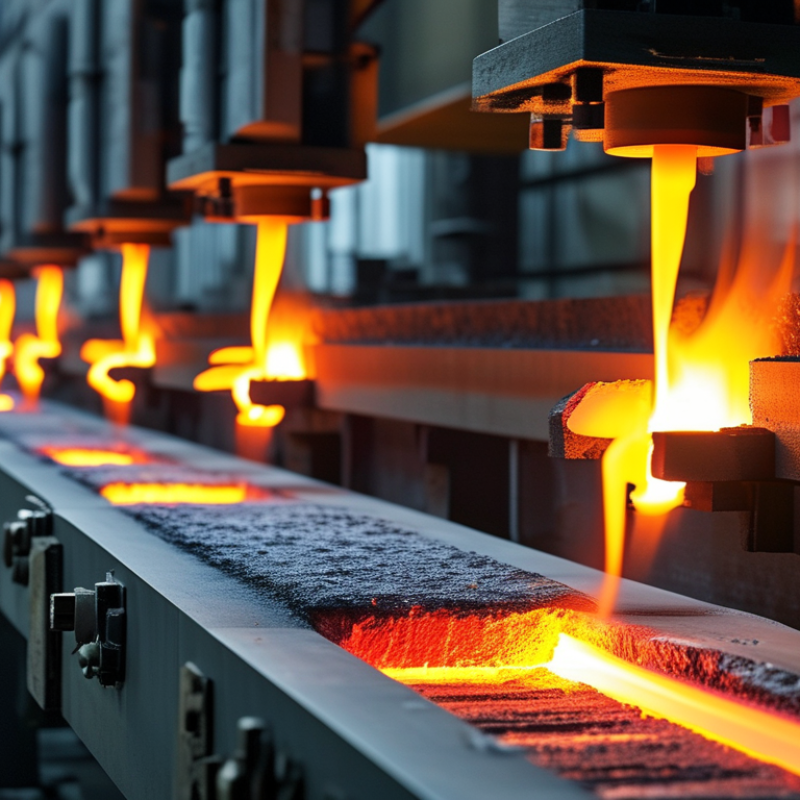
What is a Continuous Furnace?
A continuous furnace is a type of industrial equipment designed for high-efficiency heating processes. This system operates by allowing materials to pass through a heated zone continuously. Unlike batch furnaces, which heat materials in distinct cycles, continuous furnaces streamline production. They are widely used in metal processing and ceramics, where efficiency is crucial.
According to industry reports, continuous furnaces can achieve energy savings of up to 30% compared to traditional methods. The design minimizes heat loss, ensuring that energy is used effectively. Additionally, the throughput of materials is significantly increased, which supports higher production rates. For instance, a continuous furnace can often handle several tons of material per hour without compromising quality.
However, the initial investment for such systems can be substantial. This may deter smaller businesses from making the switch.
Despite these benefits, potential drawbacks deserve consideration. Continuous furnaces require precise control measures. Variations in input materials can affect heating efficiency and product quality. Operators need training to manage these fluctuations effectively. Maintenance intervals can also be shorter, which introduces operational risks. Understanding these factors is essential for industries looking to implement continuous furnaces into their processes.
Key Components of a Continuous Furnace
Continuous furnaces are widely used in various industries, offering efficiency in heating and processing materials. The key components of a continuous furnace are crucial for its optimal functioning. Understanding these parts can enhance both performance and maintenance strategies.
One main component is the heating element. This could be electric, gas, or induction-based. Heating elements produce consistent high temperatures, essential for the furnace's operation. Another important part is the conveyor system, which transports materials through the furnace. The speed and design of the conveyor affect processing times and energy consumption.
Insulation materials are also critical. They help retain heat, improving energy efficiency. Inspecting insulation regularly can prevent heat loss and ensure that the furnace operates at peak performance. There is room for improvement. Regular resets or modifications to the temperature settings might be necessary, especially during high-demand periods. Understanding these components allows operators to fine-tune their processes, ensuring reliability and maximizing output.
Mechanism of Operation in Continuous Furnaces
Continuous furnaces play a crucial role in various industrial processes. They operate on a principle of uninterrupted heating and processing. The key mechanism involves a steady flow of materials through the furnace. This setup allows for constant temperature maintenance, which is vital for achieving uniform treatment of the materials.
In a continuous furnace, the materials move through different zones. Each zone provides specific conditions for heating, cooling, or holding. This design helps in optimizing energy usage. The precise control over the environment can enhance product quality. However, the challenge lies in maintaining consistency. Variances in material feed or temperature fluctuations can lead to unpredictable outcomes.
The operational efficiency heavily relies on the furnace design and control systems. Advanced sensors monitor temperatures and flows. Data-driven adjustments ensure the process remains stable. Still, not all systems achieve the intended results. Some may struggle with scaling issues or maintenance demands. It’s essential to regularly assess these factors for continuous improvement.
Advantages of Using Continuous Furnaces
Continuous furnaces offer several advantages in industrial applications. They provide a consistent heating process that reduces variability in product quality. This is crucial when maintaining stringent standards in industries like metallurgy and ceramics. For instance, various studies show that continuous furnaces can enhance production rates by up to 30%. This is backed by the Furnace Industry Association's report, indicating that efficiency improvements are evident when using these systems.
Energy savings are another vital advantage. Continuous furnaces typically use less energy than batch systems. According to a recent industry analysis, switching to a continuous operation can lead to energy consumption reductions of 15% to 25%. This lower energy requirement not only translates into cost savings but also minimizes the environmental impact of operations. Reducing energy usage aligns with sustainability goals that many industries strive for today.
Despite these benefits, not all operations may suit continuous systems. Transitioning from batch to continuous can require significant upfront investment and employee training. Industries must carefully evaluate their processes to determine the feasibility of such a switch. A thorough understanding of operational needs is critical for maximizing the advantages of continuous furnaces.
What is a Continuous Furnace and How Does It Work? - Advantages of Using Continuous Furnaces
| Feature | Description |
| Type of Operation | Continuous operation; materials are fed in and out regularly |
| Heating Method | Indirect heating through controlled temperature zones |
| Materials Processed | Metals, ceramics, and other materials requiring uniform heating |
| Energy Efficiency | Typically higher efficiency due to optimized heat usage |
| Product Quality | Consistent quality and less variability in the final product |
| Space Efficiency | Requires less floor space compared to batch furnaces |
Applications of Continuous Furnaces in Industry
Continuous furnaces are critical in various industrial applications. They offer a streamlined method for heating materials without interrupting the production flow. Many industries rely on this technology for processes like metal treatment, glass production, and ceramics firing. In the metal industry, for example, continuous furnaces heat metals uniformly, ensuring consistent quality. This method reduces waste and enhances efficiency, making it a preferred choice for large-scale manufacturing.
In the ceramics sector, continuous furnaces allow for the steady processing of clay and other materials. This results in high-quality products with fewer defects. Additionally, the energy efficiency of these furnaces is notable, as they often utilize recycling methods to minimize thermal losses. However, challenges remain, particularly in terms of maintenance and initial setup costs. These factors can deter smaller operations from adopting this technology. Continuous improvement is needed. Adapting to specific material needs and achieving optimal energy consumption can still be complex. The continuous furnace's design must accommodate diverse requirements in different applications, reflecting the ongoing evolution within industrial practices.

 24 Hour Service