What is CNC Machining Services and How Can They Benefit You?
CNC machining services refer to the use of computer-controlled machines to precisely fabricate parts and components. This technology plays a crucial role in various industries, from aerospace to automotive. By employing advanced software and machinery, businesses can achieve high levels of accuracy and efficiency.
These services offer numerous advantages. Companies can produce complex designs that would be difficult to achieve with traditional methods. Additionally, CNC machining reduces human error and increases repeatability in manufacturing processes. However, businesses must also consider the initial setup costs. Some might find CNC machining services intimidating or overly complex.
Understanding the strengths and weaknesses of CNC machining services helps in making informed decisions. With the right approach, businesses can leverage these services to optimize productivity and drive innovation. Yet, it's essential to reflect on whether the investment aligns with specific project needs and goals.
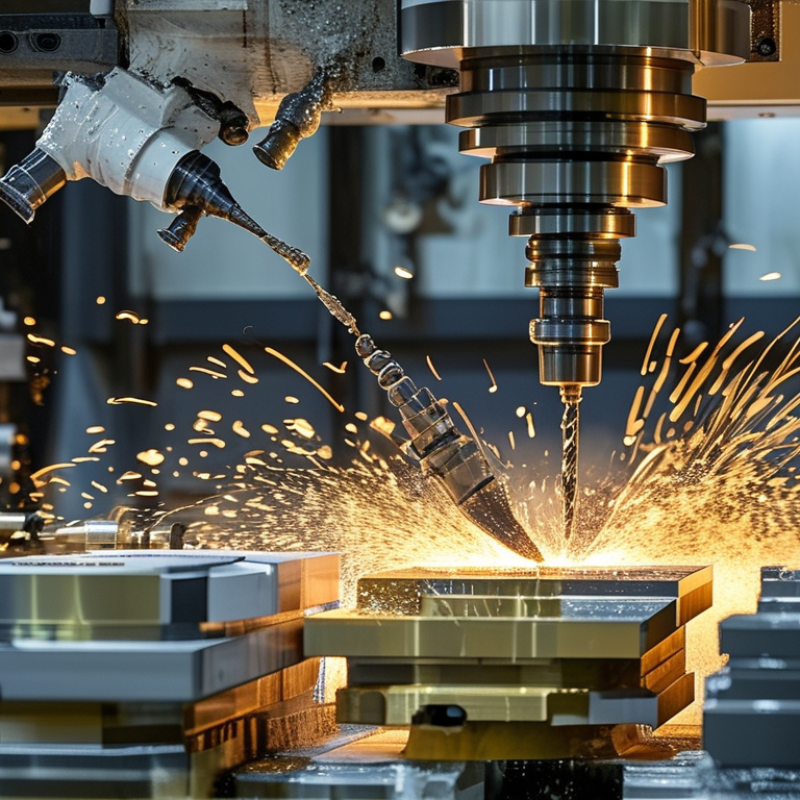
What is CNC Machining: An Overview of the Technology
CNC machining is a transformative technology that automates the manufacturing process. It uses computer-controlled machines to shape materials like metal, plastic, and wood with great precision. This automation leads to increased efficiency and consistency in production. Components produced through CNC machining often display intricate designs that are difficult to achieve with manual methods. The technology opens up possibilities for complex geometries, making it a go-to choice for various industries.
The process of CNC machining requires careful programming and setup. Operators outline specifications for the machine, including dimensions and tolerances, to ensure accuracy. Despite advances, mistakes can occur if the programming is not done correctly. Human oversight is crucial in verifying dimensions and ensuring quality control. This highlights the need for skilled operators who understand both the technology and the materials involved. They play a critical role in maintaining the reliability of the manufacturing process.
While CNC machinery is efficient, it is not without limitations. Some materials may pose challenges during machining. For instance, softer materials can wear tools more quickly. Moreover, integrating CNC technology involves initial investment and ongoing maintenance costs. These factors require careful consideration. Despite these challenges, the benefits of CNC machining, such as improved speed and reduced waste, are compelling for many businesses.
CNC Machining Services: Benefits Overview
Key Processes Involved in CNC Machining Services
CNC machining services encompass a variety of fundamental processes that ensure precision and efficiency in manufacturing. Key processes include milling, turning, and grinding. Each process serves a distinct purpose, contributing to the overall accuracy of the finished product. For example, milling is essential for creating complex shapes. According to industry reports, up to 80% of parts manufactured using CNC machining benefit from these intricate capabilities.
Turning involves rotating the workpiece while a cutting tool shapes it. This method is particularly useful for producing cylindrical components. Data shows that turning can achieve tolerances as tight as ±0.01 mm. Grinding, on the other hand, is critical for enhancing surface finishes. A report from a manufacturing association indicates that improved surface finishes can lead to enhanced durability, affecting lifespan by up to 30%.
These processes, while effective, sometimes reveal challenges. The complexity of setups can lead to longer lead times. Additionally, the consistency of the material used can affect the outcome. Manufacturers must remain vigilant. Continuous monitoring and adjustments are necessary to maintain the high standards CNC machining promises. Embracing these processes can significantly improve production efficiency and product quality, provided that potential pitfalls are addressed.
Industries That Benefit from CNC Machining Services
CNC machining services are transforming many industries today. They provide precision engineering to various fields, including aerospace, automotive, and medical. These industries rely on CNC machining for creating complex parts with tight tolerances. For aerospace, even a minor error can lead to significant issues. Thus, the ability to produce components accurately is crucial.
In the automotive sector, CNC machining enhances efficiency in manufacturing. It allows for rapid prototyping and mass production. However, some manufacturers still struggle with adapting to new technology. The integration of CNC machines requires training and a shift in workflow. Similarly, the medical field benefits significantly from custom parts tailored for specific applications. Precision is vital here, where medical devices must meet rigorous standards.
Despite the advantages, challenges persist in CNC machining. Costs can escalate, especially for smaller manufacturers. They may not have the same access to high-tech equipment as larger companies. Nevertheless, those who embrace CNC machining can revolutionize their production processes. Adapting to this technology often leads to improved quality and faster turnaround times. Each industry has potential roadblocks but also immense opportunities for growth and innovation.
Advantages of Utilizing CNC Machining for Production
CNC machining has become a pivotal aspect of modern manufacturing. This technology uses computer-controlled tools to produce precision parts across various industries. Reports indicate that CNC machining can improve production efficiency by up to 25%. This efficiency comes from the consistency and accuracy that CNC machines provide. In addition, they significantly reduce human error, leading to lower waste rates and cost savings.
One of the primary advantages of utilizing CNC machining is its ability to create complex designs. Traditional machining methods struggle with intricate shapes. CNC machines handle complex geometries with ease, allowing designers more creative freedom. According to a 2022 industry survey, 70% of engineers preferred CNC machining for projects requiring high precision. The flexibility in material choices, including metals and plastics, further enhances its appeal.
However, CNC machining is not without its challenges. Setup costs can be high, particularly for small runs. Manufacturers must consider initial investments against long-term production benefits. Additionally, the technology demands skilled operators who can program and maintain CNC machines. This skill gap might slow down the adaptation in some smaller firms. Balancing these factors is crucial for maximizing the benefits of CNC machining in production processes.
How to Choose the Right CNC Machining Service Provider
Choosing the right CNC machining service provider is crucial for project success. A reliable provider can elevate your production quality. They should demonstrate industry experience and have a strong portfolio. According to a report by MarketsandMarkets, the CNC machining market is expected to grow at a CAGR of 6.2% from 2020 to 2025. This growth reflects increasing demands for precision parts across various industries.
When evaluating potential service providers, consider their equipment capabilities. Advanced CNC machines can handle different materials, enhancing versatility. Look for providers that invest in technology. The right tools can improve efficiency and product quality. However, not all providers maintain their equipment adequately. This can lead to delays and defects in production.
Communication is another key factor. A transparent dialogue can clarify project expectations. Ensure that the service provider understands your specific requirements. For instance, if you need complex geometries, they should demonstrate expertise in that area. Poor communication can lead to misunderstandings and costly mistakes. Establishing a strong partnership requires ongoing feedback and refinement throughout the project.

 24 Hour Service