How to Choose the Best Fiber Laser Machine for Your Needs?
Choosing the right Fiber Laser Machine is crucial for businesses looking to enhance their manufacturing processes. According to a recent market report by Research and Markets, the global fiber laser market is projected to reach $5.74 billion by 2026. This growth reflects the increasing demand for precise cutting and engraving solutions across various industries. Industry expert Dr. Alice Chen states, "Selecting the right fiber laser is not just about price; it's about matching technology to your specific needs."
When choosing a fiber laser machine, consider factors like power capacity, application type, and maintenance cost. Higher wattage lasers can cut thicker materials, whereas lower wattage machines are suitable for detailed engravings. However, investing in a more powerful machine might not always be necessary if your projects require only basic functionalities.
Flexibility in design and functionality also matters. Some machines might come with integrated software to streamline operations, while others may need additional purchases for compatible systems. As the technology evolves, staying updated on the latest innovations can be challenging but essential. Remember, making an informed choice can significantly impact your business's efficiency and output.
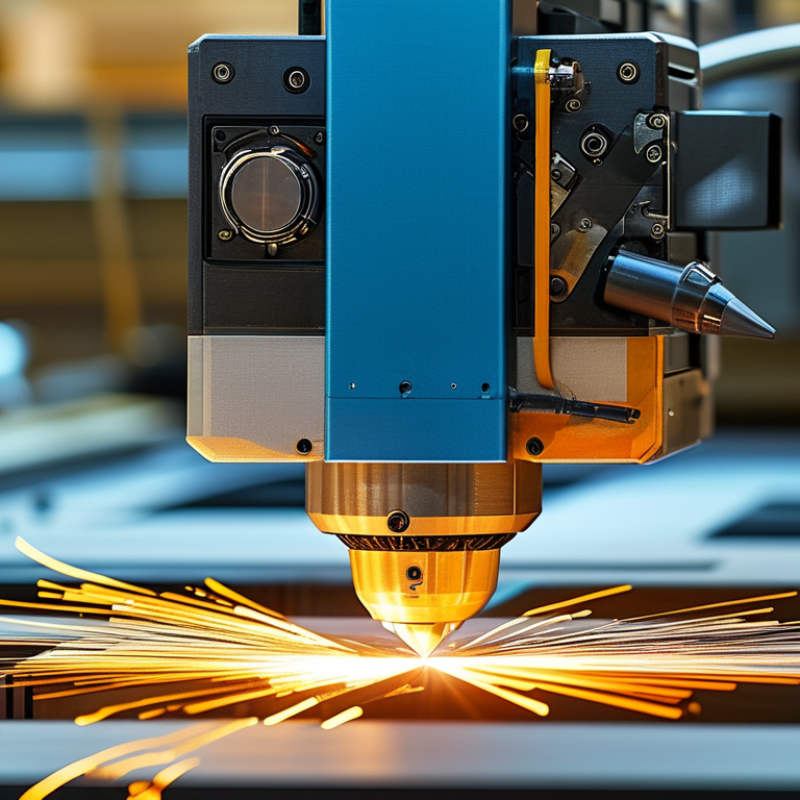
Identify Your Specific Cutting or Engraving Needs
Identifying your specific cutting or engraving needs is crucial when selecting a fiber laser machine. Start by considering the materials you plan to work with. Different machines handle various materials better. For instance, some are better for metals like stainless steel, while others excel at acrylic or wood. Reflect on the thickness and type of materials you anticipate using. Will you often cut intricate designs or require deep engraving?
Next, analyze the scale of your projects. Are you operating in a small workshop or a larger factory setting? Your production volume will influence your choice. A high-speed machine might appeal to a busy environment, while a more versatile model could suit diverse tasks. Take time to assess your workflow. Efficient design can save time and enhance productivity.
Consider the future as well. Are your needs likely to change? Staying adaptable can be an asset. Investing in a machine that offers flexibility allows for growth. Don’t overlook the importance of support and training. Having access to knowledgeable resources can significantly impact your success. This reflection will guide you toward a well-informed choice, aligning with your specific cutting or engraving needs.
Understand the Types and Specifications of Fiber Laser Machines
When choosing a fiber laser machine, understanding its types and specifications is crucial. Fiber lasers are known for their efficiency and versatility. They come in various models tailored for different applications. Some are designed for metal cutting, while others excel at engraving or marking. Knowing your primary use will guide your selection.
Different specifications, such as power output and wavelength, significantly affect performance. A higher wattage allows for faster cutting but may not be necessary for all tasks. For precise engraving, a machine with a smaller spot size is beneficial. Moreover, the cooling system is vital for prolonged use. Many machines have either air cooling or water cooling options, each with its advantages.
However, potential buyers often overlook the importance of support and maintenance. Reliability matters over the long term. Evaluate if the manufacturer provides training and spare parts. A machine may seem perfect, but without sufficient support, it can lead to downtime. Assessing your needs thoroughly can help avoid costly mistakes.
Evaluate Your Budget and Cost Considerations
When evaluating your budget for a fiber laser machine, several factors come into play. The initial cost of the machine can vary. Reports suggest that a high-quality fiber laser cutter ranges from $50,000 to $300,000. This range depends on the machine's capabilities, including power and speed. Allocating funds carefully is crucial to meet business needs without overspending.
Additionally, consider operational costs. Fiber laser machines typically consume less power compared to traditional systems. Data indicates that operational savings can reach 50% due to lower energy consumption. However, maintenance costs can be a hidden factor. Unanticipated repairs can arise, potentially increasing total expenses.
Don't overlook the importance of training staff. Proper training can significantly enhance productivity. A short training period could cost around $2,000 to $5,000. If employees aren't trained well, the efficiency of the machine can drop, leading to increased operational costs. Balancing upfront investments with potential savings requires careful consideration and reflection.
Research Manufacturer Reputation and Customer Support
When choosing a fiber laser machine, manufacturer reputation plays a crucial role. Reputable manufacturers often have a proven track record. They typically showcase their experience through customer reviews and testimonials. Look for brands that have been in the industry for several years. Longevity usually indicates reliability and expertise.
Customer support is equally important. A good manufacturer provides robust support, including timely responses and assistance. When maintenance issues arise, effective support can save downtime. Investigate how they handle customer queries. Support should be accessible and knowledgeable. You may find experiences vary dramatically between brands.
One might overlook the significance of researching both reputation and support. It's easy to get swayed by flashy features or lower prices. However, if the support isn't reliable, your investment may turn sour. Be mindful of this balance. Consider reaching out to existing users to gain insights into their experiences. This step can reveal hidden strengths or weaknesses in a manufacturer’s offerings.
How to Choose the Best Fiber Laser Machine for Your Needs?
| Criteria | Importance Level (1-5) | Comments |
| Manufacturer Reputation | 5 | Look for manufacturers with positive reviews and a history of reliability. |
| Customer Support | 4 | Responsive customer service is crucial for troubleshooting and assistance. |
| Warranty & Service | 5 | A strong warranty indicates confidence in product quality. |
| Product Specifications | 5 | Ensure specifications meet your production needs. |
| Price/Value | 4 | Balance between cost and feature set is essential. |
Consider Machine Size and Space Requirements in Your Facility
When choosing a fiber laser machine, it's crucial to consider the machine size and the space available in your facility. A well-reported industry analysis by MarketsandMarkets suggests that the global fiber laser market is projected to grow to $2.63 billion by 2024. This growth indicates the rising demand for fiber lasers, making size and efficiency even more important.
Tip: Measure your workspace carefully. Ensure the machine fits well within your operational area without compromising safety or workflow. A laser cutter that occupies too much space can hinder productivity. Many manufacturers provide detailed dimensions, but physical layout must be part of your planning.
Adequate space around the machine is vital for maintenance and safety. Industry experts recommend at least three feet of clearance on all sides. This facilitates repairs and reduces accident risks. You may find that some machines require additional ventilation or power supply considerations, which can further influence your layout.
Tip: Don't ignore future growth. If you anticipate expanding operations, consider investing in a machine with a bit of extra space. Choosing a machine that fits today might not serve your long-term needs. Reflect on your expectations for the next few years to make a sound decision.
How to Choose the Best Fiber Laser Machine for Your Needs?
This chart represents the preferences for different machine sizes when considering fiber laser machines. The analysis shows a clear inclination towards medium-sized machines, making it crucial to evaluate the space requirements in your facility before making a purchase decision.

 24 Hour Service