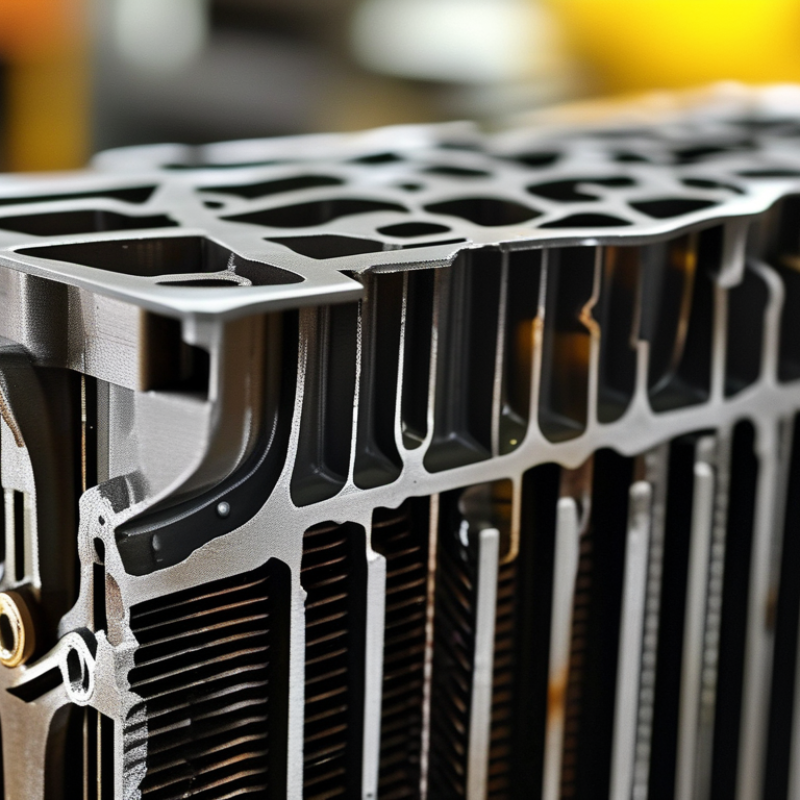
How to Choose the Best Die Casting Heatsink for Your Project?
Choosing the right Die Casting Heatsink can significantly impact your project's performance. A high-quality heatsink dissipates heat efficiently, preventing component damage. The right design can enhance the longevity of your device.
When selecting a die casting heatsink, consider factors like material, size, and shape. Aluminum is a popular choice due to its excellent thermal conductivity and light weight. However, the shape must also match your device's architecture for optimal airflow. It's easy to overlook these details, yet they can make or break your project.
Many engineers might underestimate the significance of thermal management. A poor heatsink can lead to overheating, resulting in decreased efficiency. Remember that a well-chosen die casting heatsink can save you from costly repairs and improve overall reliability. Make informed decisions based on thorough research and expert guidance.
Understanding Die Casting Heatsinks: Key Characteristics and Benefits
Die casting heatsinks are essential for effective thermal management in various electronic applications. Understanding their key characteristics offers insight into selecting the best option for your project. The primary material, usually aluminum or zinc, contributes significantly to thermal conductivity. Aluminum heatsinks can conduct heat efficiently, with values reaching up to 200 W/mK. This is crucial for ensuring reliability and performance in devices.
Another notable aspect is the design flexibility die casting provides. Manufacturers can create complex shapes that maximize surface area. This complexity can enhance heat dissipation, helping to maintain optimal operating temperatures. Market research indicates that well-designed heatsinks can improve the overall efficiency of electronics by up to 30%.
Weight is another critical factor. Die-cast heatsinks are generally lighter than their machined counterparts. However, the trade-off can be in the precision of the surface finish. Sometimes, requiring additional processing can delay projects. Balancing cost, performance, and lead time is vital when selecting a heatsink. As with any component, careful consideration of these attributes can lead to better long-term results.
Evaluating Material Options: Aluminum vs. Copper in Die Casting
Selecting the right material for die casting heatsinks is crucial for performance. Two popular choices are aluminum and copper, each with distinct properties. Aluminum is lightweight, offers excellent thermal conductivity, and features good corrosion resistance. Industry reports indicate aluminum can have thermal conductivity around 205 W/m·K, making it suitable for many applications. It also tends to be more affordable, which can affect project budgets significantly.
Copper, on the other hand, boasts superior thermal conductivity, often reaching 400 W/m·K. While copper heatsinks are generally more effective in transferring heat, their higher cost and weight can complicate some projects. According to material studies, combining copper with a lightweight design can enhance efficiency while maintaining affordability. However, the increased cost is a challenge for larger-scale projects.
Material choice may also hinge on specific project needs. Factors such as weight limitations, cost constraints, and environmental factors could influence decisions. Carefully evaluating these aspects will lead to a more effective heatsink solution. Ultimately, understanding the pros and cons of each material helps achieve the best performance in your project.
Heat Transfer Efficiency: Factors Influencing Performance of Heatsinks
When selecting a die casting heatsink, heat transfer efficiency is paramount. The design and material of the heatsink significantly influence its thermal performance. According to a report by the International Journal of Heat and Mass Transfer, effective heat transfer is largely determined by thermal conductivity, surface area, and airflow. Die cast aluminum heatsinks often boast a thermal conductivity of around 200 W/mK, making them a popular choice for many applications.
Surface area plays a critical role in dissipating heat. A larger surface area enhances heat transfer by providing more contact with the surrounding air. Innovative geometrical designs, like fin structures or pin arrays, can maximize this surface area. Research shows that increasing the number of fins can improve heat dissipation by up to 35% compared to a standard flat heatsink. However, the balance between size and weight must be considered, as oversized heatsinks can lead to structural challenges.
Airflow is another influencing factor. The performance of heatsinks diminishes with limited airflow. Active cooling methods, like fans, can improve efficiency but may introduce noise. Passive systems rely solely on natural convection, which can be less effective in certain environments. When designing your system, think about the ambient conditions and airflow patterns to achieve optimal results. Ultimately, careful consideration of these factors will guide you to the best die casting heatsink for your needs.
Design Considerations: Optimizing Geometries for Thermal Management
When selecting a die casting heatsink, understanding the design considerations is crucial. Thermal management begins with geometry. The shape and size of the heatsink directly impact its performance. For optimal heat dissipation, consider thick fins and a larger surface area. This design allows for better airflow and improves cooling efficiency.
Pay attention to the material choice as well. Aluminum is often used due to its lightweight and high thermal conductivity. However, not all aluminum alloys perform the same. Each has unique properties that may suit different applications. Testing different configurations can reveal insights into thermal performance.
Some designs might look appealing but fail in practice. It’s essential to prototype and assess how well the heatsink manages heat under real conditions. Sometimes, complex geometries complicate manufacturing without significant benefits. Continual refinement is necessary. Prioritize reliability in your prototypes to understand what works best for thermal management in your project.
Cost-Benefit Analysis: Balancing Quality and Budget in Heatsink Selection
When selecting a die casting heatsink, understanding the cost-benefit dynamics is crucial. Balancing quality and budget can be tricky. Higher-quality heatsinks often come with a higher price tag. However, investing in quality can pay off in terms of performance. For instance, well-designed heatsinks dissipate heat more effectively, prolonging the lifespan of electronic components.
Low-cost options might seem attractive, yet they often compromise on material and design. These heatsinks may not provide sufficient cooling, leading to overheating issues. Over time, the savings might evaporate due to increased maintenance costs or component failures. Reflecting on past projects can offer insights into the true value of higher-quality heatsinks.
Evaluating your specific project needs is essential. Consider factors like thermal conductivity, size, and weight. Sometimes, the cheapest choices can become expensive mistakes. A deeper understanding of how heatsinks work will better inform your decision, ensuring a balance of performance and cost that meets your project's needs.
Cost-Benefit Analysis of Die Casting Heatsinks
This bar chart illustrates the cost-benefit analysis of different factors when selecting a die casting heatsink. The dimensions measured include Material Quality, Manufacturing Cost, Thermal Performance, Durability, and Weight on a scale from 0 to 100, helping you to balance quality and budget effectively.

 24 Hour Service