How to Choose the Right Coiling and Packing Machine for Your Business?
Choosing the right Coiling and Packing Machine is essential for efficiency and productivity in manufacturing. The global packaging machinery market is projected to reach $52 billion by 2025, growing at a rate of 4.3% annually. This underscores the demand for advanced machinery across various sectors. A well-chosen machine can significantly reduce operational costs and enhance product quality.
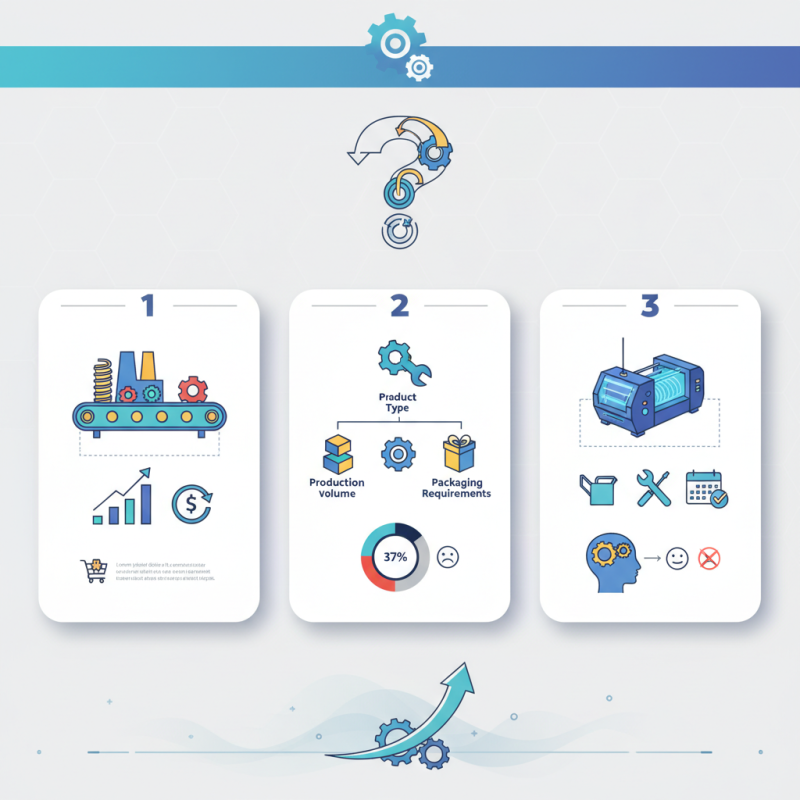
When selecting a Coiling and Packing Machine, consider your specific needs. Analyze production volume, product type, and packaging requirements. According to a recent industry report, 37% of businesses report inefficiencies due to improper machine selection. This highlights the importance of making informed decisions. Companies need to reflect on their unique operational goals and challenges.
Investing in a Coiling and Packing Machine isn't simply a purchase; it's a strategic move. Upgrading to the right technology can streamline operations. However, it's crucial to recognize that each machine comes with its own set of challenges and maintenance needs. Understanding these factors can lead to better long-term outcomes and fewer regrets.
Understanding the Types of Coiling and Packing Machines Available
Choosing the right coiling and packing machine is crucial for your business. Various types exist, each designed for specific needs. Basic options include manual, semi-automatic, and fully automatic machines. Manual machines require more labor but cost less. Semi-automatic ones offer a balance of efficiency and control. Fully automatic machines handle everything but have a higher initial cost.
When selecting a machine, consider the materials you will use. Different machines may cater to different materials, from plastic film to paper. Look for features that enhance usability, such as easy-to-change rolls or adjustable settings. This helps tailor the machine to your production needs.
Tips: Always evaluate your production volume. If you have a high output, a fully automatic model might be necessary. Look for machines that promise energy efficiency. This can reduce long-term operational costs. Lastly, don't ignore support services. Great after-sales service can make a difference in your operation.
Types of Coiling and Packing Machines
Assessing Your Business Needs and Product Specifications
Assessing your business needs is crucial when choosing a coiling and packing machine. Start by detailing the products you plan to package. Consider their size, shape, and weight. For instance, if your products are delicate, a machine with gentle handling features is essential. Think about the materials your products use as well. Different materials may require specific packing techniques, and neglecting this can lead to issues.
Next, evaluate your production volume. Are you a small business or a large operation? This impacts the speed and efficiency you require from the machine. You may face challenges if you choose a machine too small for your needs. Alternatively, investing in a machine with excessive capacity can lead to wasted resources. Take a close look at your future growth as well. Will your production needs change? Plan for the long term.
Lastly, consider the types of packaging you want to use. Different coiling methods suit various packaging types. Transparent packaging may require different handling than opaque materials. Evaluate if you need additional features, such as automatic labeling or cutting. Each detail matters. Not addressing these factors may result in dissatisfaction with your choice. Evaluate your requirements continuously as your business evolves.
Key Features to Look for in Coiling and Packing Machines
When selecting a coiling and packing machine, consider several key features. The machine’s capacity is crucial. Choose one that matches your production volume. A model with adjustable speeds can enhance efficiency. Look for a machine that is easy to operate. Simplicity reduces training time for staff.
Another important aspect is versatility. A machine that can handle different sizes and types of products is beneficial. This saves time and costs in the long run. Additionally, ensure the machine has a reliable sealing mechanism. Weak seals can lead to product damage. Don’t overlook the importance of maintenance. Machines require regular checks to function well. A difficult maintenance process can be a hassle.
Lastly, think about the machine’s size and footprint. It should fit your workspace without causing clutter. A compact design can make a significant difference. Reflect on the energy efficiency of the machine as well. Machines that consume less energy can lower operational costs. Making these choices carefully will contribute to your business’s success.
How to Choose the Right Coiling and Packing Machine for Your Business? - Key Features to Look for in Coiling and Packing Machines
| Feature | Description | Importance |
| Speed | The rate at which the machine operates, typically measured in units per hour. | High speed can increase production efficiency. |
| Versatility | The ability to handle various types of products and packaging materials. | Flexibility for changing product lines and market demands. |
| Ease of Use | How user-friendly the machine is, including setup and adjustments. | Reduces training time and operational errors. |
| Maintenance | The frequency and complexity of required maintenance tasks. | Minimizes downtime and operating costs. |
| Safety Features | Incorporated safety mechanisms to protect operators. | Ensures compliance with industry safety standards. |
| Cost | Initial purchase price and total cost of ownership over time. | Important for budgeting and ROI considerations. |
Evaluating Costs and Budget Considerations
When evaluating costs for a coiling and packing machine, businesses must consider several factors. According to industry reports, initial equipment costs can range from $10,000 to over $100,000. This depends on features, capacity, and technology used. Selecting mid-range machines can offer a balance between budget and functionality, yet may come with limitations.
Operational costs are another critical consideration. Maintenance, energy consumption, and labor costs add up over time. Reports suggest that maintenance can account for 15-20% of total operational expenses annually. Investing in reliable machines may reduce these costs. However, cheaper options might require more repairs, leading to uncertain expenses.
Another aspect to think about is production output. Machines with higher efficiency can justify their initial price. On average, efficient machines increase productivity by 30%. It’s essential to analyze whether the increased cost realistically matches potential gains. Sometimes, opting for a less expensive model may lead to slower production, illustrating a critical trade-off. Decisions should be based on a combination of immediate financial impact and long-term productivity.
Maintenance and Support Options for Your Coiling and Packing Equipment
When selecting coiling and packing equipment, maintenance and support are crucial. Regular upkeep extends equipment life and ensures optimal performance. You might consider schedules for routine checks. Missing these can lead to costly breakdowns.
Support options should also be analyzed. Training staff on maintenance helps prevent issues. A knowledgeable technician can address complex problems quickly. Lack of training, though, often results in mistakes. This can damage machinery and lead to production delays.
Think about spare parts availability. Obtain equipment from suppliers that offer easy access to components. If parts are hard to find, repairs can drag on. Your production might suffer, affecting your bottom line. Investing in solid support and maintenance can yield impressive results over time.

 24 Hour Service