
Blog

How to Choose a Fully Electric Continuous Pyrolysis Plant?

Choosing a Fully Electric Continuous Pyrolysis Plant requires more than comparing advertised capacity. The right decision begins with feedstock, moisture, particle size, and local electricity conditions. Wood chips, agricultural residues, and dried sludge behave differently inside the reactor. Their differences affect heating demand, residence time, char quality, and gas production. A practical evaluation should examine the complete material flow, from feeding and drying to cooling and storage.

Dr. Johannes Lehmann, a leading biochar researcher, has said, “Biochar is not a silver bullet, but it is a very promising tool for climate change mitigation.” His observation supports a careful approach. A pyrolysis plant is a tool, not an automatic solution. Buyers should request independent test data, electrical load curves, temperature records, and emissions-control details. They should also inspect the reactor lining, screw or conveyor design, insulation, sensors, and emergency shutdown system. Small details matter. A blocked feeder can stop continuous operation.

A Fully Electric Continuous Pyrolysis Plant may reduce direct fossil-fuel use and improve temperature control. However, its environmental value depends on the electricity source and operating discipline. This point is sometimes overlooked. Ask whether the plant has completed trials using your actual feedstock. Review char analysis, oil and gas handling, maintenance intervals, operator training, and after-sales support. Some specifications may look impressive but remain unverified. That should invite questions, not confidence. The strongest choice balances verified performance, safe engineering, realistic energy costs, and long-term serviceability.
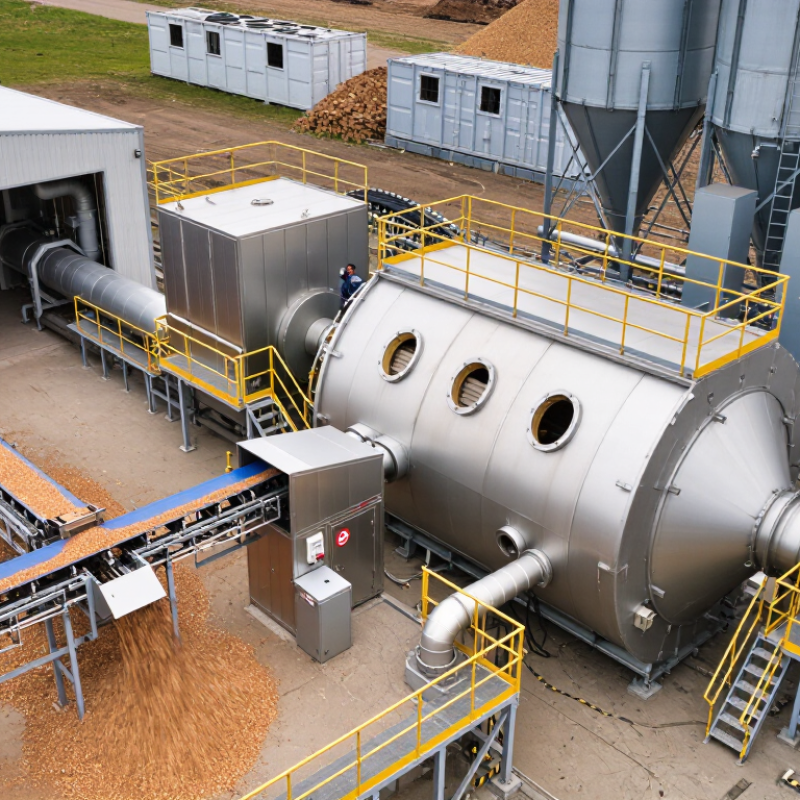
How to Choose a Fully Electric Continuous Pyrolysis Plant?

Understanding Fully Electric Continuous Pyrolysis Technology

How to Choose a Fully Electric Continuous Pyrolysis Plant?

Understanding fully electric continuous pyrolysis technology starts with the heating process. The reactor uses electrical energy to heat approved feedstock in a low-oxygen environment. This controlled condition separates solid, liquid, and gas products without direct fuel combustion. The heating system should provide even temperatures across the reactor, not just intense heat near the walls. Uneven heating can create unstable output and unnecessary maintenance.

Look closely at the control system. Reliable equipment measures reactor temperature, pressure, feed rate, and discharge speed continuously. Operators should see these values clearly on a practical interface. Automatic alarms are important, but manual adjustment still matters during changing feedstock conditions. Moisture is a common problem. Wet material may reduce throughput and increase power consumption. Ask for test data using feedstock similar to your own, rather than relying on laboratory results alone.

Energy consumption deserves careful attention. A fully electric plant may reduce local combustion emissions, but its overall footprint depends on the electricity source. Insulation quality, heat recovery, and standby power can change operating costs significantly.

Inspect access points, seals, wiring, and cleaning areas before making a decision. Small design details matter.

The label can mislead.

A continuous system is not automatically efficient. Feed preparation, compliance documentation, operator training, and routine sampling remain essential. A cautious buyer should request service records, safety procedures, and independent performance evidence.

Some predictions may look perfect on paper. Real materials are less cooperative.

Defining Feedstock Requirements and Processing Objectives

Choosing a fully electric continuous pyrolysis plant starts with material, not advertised capacity. The World Bank’s What a Waste 2.0 estimates 2.01 billion tonnes of municipal solid waste annually, with at least 33% unmanaged. That number does not make every waste stream suitable. Define feedstock by origin, moisture, ash, chlorine, metals, particle size, and supply consistency. Wet material consumes electrical energy during drying. High ash can reduce reactor volume and contaminate char. Plastics and treated wood require stricter screening and emissions controls. Test representative samples across seasons, not one convenient delivery.

Set the processing objective before comparing reactor designs. Fast heating near 450–600°C commonly favors liquid and gas production, while slower heating can increase solid char yield. These ranges are general, not guarantees; residence time and feedstock chemistry matter. The IEA’s Renewables 2023 report projects modern bioenergy demand to grow through 2028. Local demand may still be weak. Specify product targets in measurable terms, including char carbon content, surface area, oil water content, gas heating value, and allowable contaminants. Also calculate continuous electricity demand for drying, heating, conveying, and gas cleaning.

A practical feasibility study should compare energy balances, uptime, maintenance access, and grid reliability. The IPCC reports that lifecycle emissions depend strongly on system boundaries and energy sources. Therefore, renewable electricity may improve the carbon case, but it cannot rescue poor feedstock logistics. I would request a mass-and-energy balance using your own samples. Small overlooked detail. Dust, bridging, and variable moisture can interrupt continuous operation. An elegant specification can still fail on a rainy Tuesday. Leave room for pilot testing, operator feedback, and uncomfortable revisions.

How to Choose a Fully Electric Continuous Pyrolysis Plant?

Feedstock Requirements and Processing Objectives

The chart compares representative proximate-analysis values for common pyrolysis feedstocks. Moisture and ash content influence drying demand, reactor heat load, residue handling, and product quality. Plastics and tires generally support higher liquid-product targets, while wood and rice husk require greater attention to moisture removal and char or ash management. Values are typical engineering reference values and should be verified through laboratory testing before plant selection.

Evaluating Heating Systems, Energy Use, and Emission Controls

How to Choose a Fully Electric Continuous Pyrolysis Plant?

A fully electric pyrolysis plant should be judged by heat control, not only rated capacity. During practical commissioning, operators should inspect temperature stability across the reactor. Hot spots can increase energy use and reduce product consistency. Independent thermocouples help reveal uneven heating. They also expose optimistic control-panel readings. Fast response matters.

Ask for measured electricity consumption per tonne of feedstock. The figure should include startup, feed preparation, fans, conveyors, and emission controls. A well-insulated reactor limits heat loss. Heat recovery can preheat incoming material or combustion air. However, recovery systems add cleaning duties and pressure drops. They are not automatically efficient. A simple energy audit often finds overlooked losses around doors, flanges, and discharge seals.

Emission control requires more than an electric heater. The plant should manage dust, condensable vapors, carbon monoxide, and volatile compounds. Suitable equipment may include cyclones, condensers, filters, and thermal treatment units. Selection depends on feedstock and operating temperature.

Continuous gas monitoring should verify oxygen, carbon monoxide, and other relevant pollutants. Calibrated instruments matter. A polished dashboard is not proof of compliance. Ask for test methods, sampling locations, maintenance records, and results from comparable materials. Also examine backup power and safe shutdown behavior. Electric heating can reduce direct combustion emissions, but the electricity source still affects the overall footprint. This point is easy to ignore.

Comparing Capacity, Automation, Safety, and Maintenance Features

Choosing a Fully Electric Continuous Pyrolysis Plant

Capacity should match the real feedstock supply, not an optimistic estimate. In practical evaluations, uneven material flow often causes more trouble than low rated capacity. Check moisture, particle size, and daily availability. A plant rated at ten tons per day may perform differently with wet, irregular feedstock. Request verified output data under similar conditions. Small details matter.

Automation affects consistency and labor requirements. Look for automatic temperature control, feed-rate adjustment, and alarms for abnormal pressure. A clear control interface helps operators respond without guessing. Remote monitoring can support faster decisions, but it should not replace trained staff. Simple systems are sometimes more reliable. Over-automation can create unfamiliar risks.

Safety must include pressure relief, gas detection, emergency shutdowns, and electrical protection. Inspect whether sensors are duplicated where failure could cause overheating. Ask for testing records, maintenance intervals, and accessible service points. Heating elements, seals, bearings, and sensors need practical replacement access. Poor access increases downtime. That is easy to underestimate.

During site checks, observe dust control, cable routing, and emergency walkways. One weakness can affect the whole system. A careful buyer should also examine operator training, spare-part availability, and documented inspection procedures. Specification sheets are useful, but operating evidence is stronger.

Selecting a Plant Based on Costs, Compliance, and Future Expansion

Choosing a fully electric continuous pyrolysis plant starts with the total cost, not the purchase price. A lower quotation may hide transformer upgrades, power demand charges, installation work, and costly downtime. Ask for a five-year cost model with electricity consumption measured per tonne of approved feedstock. Request real operating data, not only laboratory estimates. Include heating elements, insulation, conveyors, controls, maintenance, and replacement parts. Small omissions become expensive.

Compliance must be checked before equipment selection. Confirm local rules for feedstock storage, fire protection, electrical safety, air emissions, wastewater, and residue handling. Require clear process diagrams, safety interlocks, emergency shutdown logic, and documented emission-control performance. Independent inspection can verify wiring, pressure protection, and material quality. Do not accept vague promises. They create risk during permitting.

Future expansion also changes today’s decision. Leave space for a second processing line, extra transformers, storage tanks, and improved dust control. Select a control system that can record temperatures, power use, alarms, and production batches. That data supports audits and reveals performance losses. Modular heating zones may simplify capacity increases, although they can raise the initial cost. I have seen expansion plans fail because cable routes and foundations were ignored. A better design reserves utility capacity early. Still, forecasts are uncertain. Build flexibility, but avoid paying for equipment that may never be used.

How to Choose a Fully Electric Continuous Pyrolysis Plant? Selecting a Plant Based on Costs, Compliance, and Future Expansion
Plant Configuration Nominal Throughput Typical Feedstock Requirement Installed Electric Load Indicative Capital Cost Indicative Electricity Consumption Compliance and Safety Requirements Expansion Potential Best-Fit Project Stage
Pilot / Demonstration Line Limited commercial output 0.5–1.5 tonnes per day Clean, consistent feedstock with controlled particle size and moisture.

Recommended moisture: generally below 10% for stable operation.
Approximately 100–250 kW, excluding major site utilities Approximately USD 250,000–700,000, excluding land, buildings, taxes, and financing Approximately 500–900 kWh per tonne of feedstock, depending on feedstock composition and heat recovery Basic air-emission controls, pressure relief, gas detection, emergency shutdown, fire protection, and documented operating procedures. Usually limited. Expansion may require replacement with a larger reactor or addition of a separate commercial line. Technology validation, laboratory development, and feedstock testing
Small Commercial Line Lower entry cost 5–10 tonnes per day Sorted waste tires, selected plastics, biomass residues, or other approved feedstock.

Feedstock consistency is important for continuous feeding and product quality.
Approximately 400–900 kW, depending on pretreatment and product handling Approximately USD 1.0–2.5 million, excluding land, civil works, taxes, and working capital Approximately 350–700 kWh per tonne, with lower consumption possible when non-condensable gas is recovered for process heating Permit requirements normally include air emissions, fire prevention, hazardous-area classification where applicable, wastewater management, noise, waste handling, and worker protection. Moderate. A second parallel line can often be added if utilities, storage, electrical capacity, and site layout are planned in advance. First commercial project with a manageable feedstock supply
Medium Commercial Line Balanced choice 15–30 tonnes per day Stable, contract-based feedstock supply with defined limits for moisture, metals, chlorine, sulfur, ash, and particle size. Approximately 1.0–2.5 MW, including conveying, shredding, condensation, cooling, and emissions-control equipment Approximately USD 2.5–6.0 million, excluding land, buildings, taxes, financing, and major off-site infrastructure Approximately 250–550 kWh per tonne when insulation, heat recovery, and electrical controls are properly optimized Requires a formal permitting strategy, continuous or periodic emissions monitoring as required by local law, explosion-risk assessment, fire-water planning, process interlocks, and traceable waste records. High. The plant can be designed with spare transformer capacity, modular feed preparation, additional condensation capacity, and space for a second processing line. Projects seeking commercial scale without the complexity of a large multi-line facility
Large Commercial Line Higher execution risk 40–80 tonnes per day Long-term feedstock contracts, multiple supply sources, automated quality control, and sufficient buffer storage to manage delivery interruptions. Approximately 2.5–6.0 MW, depending on pretreatment, automation, cooling, and downstream refining equipment Approximately USD 6–15 million, excluding land, buildings, taxes, financing, and extensive utility upgrades Approximately 200–500 kWh per tonne with efficient heat integration and stable operating conditions May require a detailed environmental impact assessment, comprehensive fire and explosion protection, hazardous-area electrical design, stack testing, odor control, emergency response planning, and product-quality documentation. Very high, provided the site has adequate grid capacity, permits, roads, storage, water or air-cooling systems, and room for additional product upgrading. Established operators with proven feedstock logistics and secured product offtake
Modular Multi-Line Plant Best for phased growth 20–100+ tonnes per day through parallel modules Several approved feedstock streams managed through separate reception, inspection, and pretreatment systems. Approximately 1.5–8.0 MW, depending on the number of modules and shared utilities Approximately USD 4–20 million for the processing modules, excluding site development and major product-upgrading systems Approximately 250–600 kWh per tonne; shared utilities may improve efficiency but can increase standby consumption Each module should have independent isolation, emergency shutdown, gas detection, fire protection, maintenance access, and clear separation between feedstock, process, and product areas. Excellent. Capacity can be added in stages, subject to permit limits, electrical supply, feedstock availability, and product-market demand. Investors planning a staged rollout or multiple regional feedstock sources
Cost Evaluation Criteria Compare total cost of ownership rather than equipment price alone. Check transformer capacity, demand charges, power-factor requirements, backup power, and connection fees. Include civil works, installation, storage, pretreatment, emissions control, laboratory equipment, commissioning, training, and contingency. Calculate electricity cost using the local industrial tariff, expected annual operating hours, and actual feedstock-specific consumption. Include permit studies, monitoring equipment, inspections, insurance, waste residue handling, and compliance reporting. Reserve space and utility capacity before construction rather than attempting costly retrofits later. Use a 10-year financial model where possible.
Compliance Screening Criteria Confirm whether the project is regulated as waste treatment, thermal processing, fuel production, or another category in the target jurisdiction. Verify electrical installation standards, grid interconnection rules, grounding, short-circuit protection, and hazardous-area requirements. Request documented equipment specifications, factory testing, pressure-vessel records where applicable, and traceable material certificates. Define measurement points for electricity, temperature, pressure, gas composition, emissions, and product yield. Obtain written confirmation from the relevant environmental, fire, occupational-safety, and waste-management authorities before final investment approval. Ensure future modules will remain within the permitted throughput and emissions limits. Regulatory approval should precede final equipment selection.
Future Expansion Checklist Secure additional feedstock contracts and verify seasonal availability, contamination levels, and transport distances. Design for spare switchgear positions, transformer headroom, cable routes, and power-quality monitoring. Allow space for additional reactors, feedstock storage, condensation capacity, product tanks, and upgrading equipment. Include heat recovery, insulated piping, variable-frequency drives, and automated controls to reduce energy use as throughput increases. Confirm that future expansion will not invalidate the environmental permit, fire plan, traffic assessment, or emergency response capacity. Prioritize modular equipment, common utility headers, independent isolation, and maintainable plant layouts. Expansion should be part of the initial engineering basis.
Planning note: Cost, energy-consumption, and capacity figures are indicative engineering ranges for preliminary comparison only. Actual results depend on feedstock type and preparation, local labor and construction costs, electricity tariffs, permitting requirements, operating hours, heat recovery, product specifications, financing, and site conditions.