Why Choose a Vacuum Circuit Breaker for Your Electrical Needs?
When choosing electrical equipment, reliability is crucial. A Vacuum circuit breaker stands out for its efficiency and safety. This advanced technology offers several advantages in a variety of applications. A vacuum circuit breaker uses the principle of creating a vacuum to extinguish arcs, making it ideal for environments where space is limited.
Many engineers and professionals prefer vacuum circuit breakers due to their low maintenance requirements. They are also less prone to failure compared to traditional circuit breakers. However, the selection of a vacuum circuit breaker requires careful consideration. Factors such as installation specifics and power ratings play a vital role in effectiveness.
Despite their benefits, vacuum circuit breakers may pose challenges in terms of cost and complexity. Organizations must balance these factors against the long-term advantages. When properly implemented, a vacuum circuit breaker can significantly enhance electrical system reliability and efficiency, ultimately leading to improved operational performance.
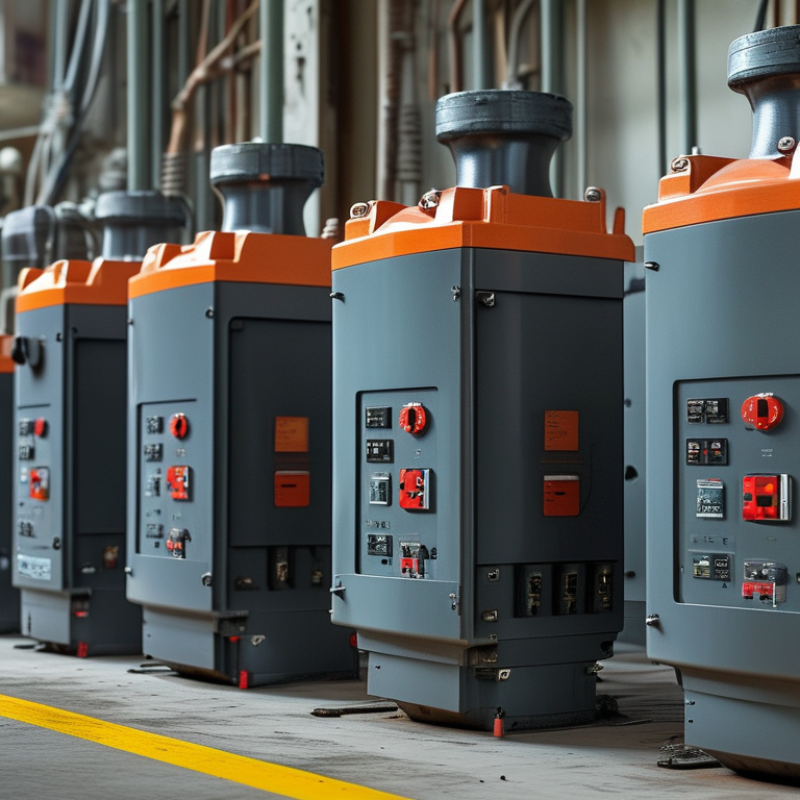
Understanding Vacuum Circuit Breakers: An Overview of Their Functionality
Vacuum circuit breakers (VCBs) are gaining popularity in electrical systems. They are efficient and reliable for medium voltage applications. VCBs operate by isolating the electrical circuit within a vacuum. This prevents arcing during the circuit interruption, leading to a longer lifespan and lower maintenance needs.
One notable aspect of VCBs is their ability to handle high fault currents. When a fault occurs, the breaker quickly opens the circuit, protecting both equipment and personnel. The enclosed environment of the vacuum chamber enhances safety. This feature makes VCBs suitable for industrial and commercial sectors.
Tips: When considering a VCB, assess your specific power requirements. Understanding the load characteristics will help in proper selection. Regular inspections can prevent unforeseen issues. Ensure the installation is handled by qualified professionals to maximize performance. The initial investment might seem high, but the long-term savings and efficiency benefits are often worth it.
Benefits of Using Vacuum Circuit Breakers in Electrical Systems
Vacuum circuit breakers (VCBs) have gained popularity in electrical systems due to their numerous benefits. They provide efficient protective features and reliability for various applications. Unlike oil or air-insulated breakers, VCBs use vacuum technology. This enables them to handle high voltages with reduced maintenance needs. Their compact design saves space in electrical distribution setups, making them an attractive choice for many facilities.
One standout feature of VCBs is their arc-extinguishing capability. The vacuum environment allows for a quick and effective interruption of the electrical arc. As a result, they minimize the risk of equipment damage. Furthermore, VCBs have a longer lifespan due to fewer moving parts and reduced wear from environmental factors. Many users appreciate this durability, leading to lower operational costs over time.
Tips: Always ensure proper installation of VCBs. A poorly installed device can lead to failures. Regular inspections are crucial. They help identify any potential issues before they escalate. Take note that while VCBs are reliable, they should not be the sole protection in complex systems. Diversifying protection methods can enhance overall safety.
Key Features That Make Vacuum Circuit Breakers Stand Out
Vacuum circuit breakers (VCBs) have become increasingly popular for various electrical applications. One key feature that sets VCBs apart is their ability to operate in harsh environments. Unlike traditional circuit breakers, VCBs use a vacuum to extinguish the arc that occurs during a fault. This design minimizes the risk of contamination, making them suitable for industrial settings with dust and moisture.
Another notable advantage is their compact size. VCBs require less space than air-insulated circuit breakers. This space-saving feature allows for more flexible installation options. However, the installation process can be complex, and the lack of familiarity with VCB technology might lead to initial challenges. Proper training is essential to ensure safety and efficiency during installation and operation.
Additionally, VCBs provide excellent performance in terms of reliability and maintenance. They have fewer moving parts, reducing wear and tear. Regular maintenance is still necessary, but the maintenance intervals are longer compared to other breakers. This longevity can lead to cost savings over time, yet users must remain vigilant about the state of the equipment. Regular checks can prevent unexpected failures, ensuring the electrical system operates smoothly.
Comparing Vacuum Circuit Breakers with Other Circuit Breaker Types
Vacuum circuit breakers (VCBs) offer unique advantages over traditional circuit breakers. For instance, they excel in environments where space is limited. VCBs can interrupt currents more effectively, minimizing the risk of electric arcs. This efficiency is measured by their incredible insulation capabilities, reaching up to 30 kV. As a result, they reduce the need for extensive safety measures.
However, VCBs aren’t without drawbacks. Initial costs can be high, which might deter some users. More maintenance may be needed compared to oil circuit breakers or air-insulated types. According to industry reports, the lifespan of a VCB can exceed 20 years with proper care. Regular inspections are vital to catch any wear early.
Tip: When selecting a breaker, consider the specific load and environmental conditions. Each site has unique needs. It's also wise to evaluate past failures in similar equipment. Identifying these patterns can guide your choice effectively. Trusting expert evaluations can mitigate risks.
Why Choose a Vacuum Circuit Breaker for Your Electrical Needs? - Comparing Vacuum Circuit Breakers with Other Circuit Breaker Types
| Criteria | Vacuum Circuit Breaker | Air Circuit Breaker | Miniature Circuit Breaker |
| Operating Mechanism | Uses a vacuum to extinguish arc | Uses air as the medium | Uses thermal and magnetic protection |
| Size | Compact design | Larger than vacuum types | Smallest among these types |
| Maintenance | Low maintenance required | Moderate maintenance | Minimal maintenance needed |
| Interrupting Capacity | High capacity | Varies widely | Lower capacity than both |
| Applications | Used in industrial applications | Suitable for high voltage | Residential and light commercial |
Applications and Industries Where Vacuum Circuit Breakers Excel
Vacuum circuit breakers (VCBs) are increasingly essential in various industries due to their unique advantages. They excel in high voltage applications like power generation and distribution. Their ability to interrupt the circuit without producing harmful gases makes them ideal for environmentally-conscious setups. VCBs are particularly effective in heavy industries, such as steel manufacturing, where reliability is crucial.
In commercial buildings, VCBs enhance safety and efficiency. They facilitate easy maintenance and have a long operational life, making them appealing for urban infrastructure. Hospitals and data centers also prefer VCBs due to their compact design and minimal electromagnetic interference. These features ensure continuous operation in critical environments.
While VCBs offer numerous benefits, choosing the right model requires careful consideration. Users must assess voltage ratings and fault current levels. Sometimes, unexpected challenges arise during installation. Additionally, training for personnel is vital to maximize VCB efficiency. Evaluating these factors can prevent costly oversights and ensure optimal performance in varying applications.
Vacuum Circuit Breaker Applications in Various Industries

 24 Hour Service