
24 Hour ServiceChoosing the best Wrist Watch in 2026 is less about finding the most expensive model and more about matching a watch to your daily life. A slim stainless-steel case may slide neatly beneath a shirt cuff, while a larger sports watch can feel bulky during a long commute. Looks matter, but so do comfort, legibility, durability, and the cost of care. The right choice should feel useful on an ordinary Tuesday, not just impressive in a product photo.
This guide explains how to compare watch types, movements, materials, features, and prices with practical details in mind. Check how the watch sits on your wrist, whether its dial is easy to read in dim light, and what its water-resistance rating actually covers. Quartz models often offer simple, reliable timekeeping; mechanical watches bring different maintenance needs and appeal. Smart features may be valuable, but only if you will use them. Small details count.
A specification sheet cannot tell you everything. A bracelet may pinch, a clasp may be awkward, or a bright display may distract at night. Those things are easy to miss. Compare manufacturer information with independent reviews, and confirm warranty and service terms before buying. There is no perfect checklist, and personal taste can change after a week of wear. That is worth admitting. The goal is a well-informed choice: a Wrist Watch that fits your routine, budget, and comfort, without paying for features you do not need.
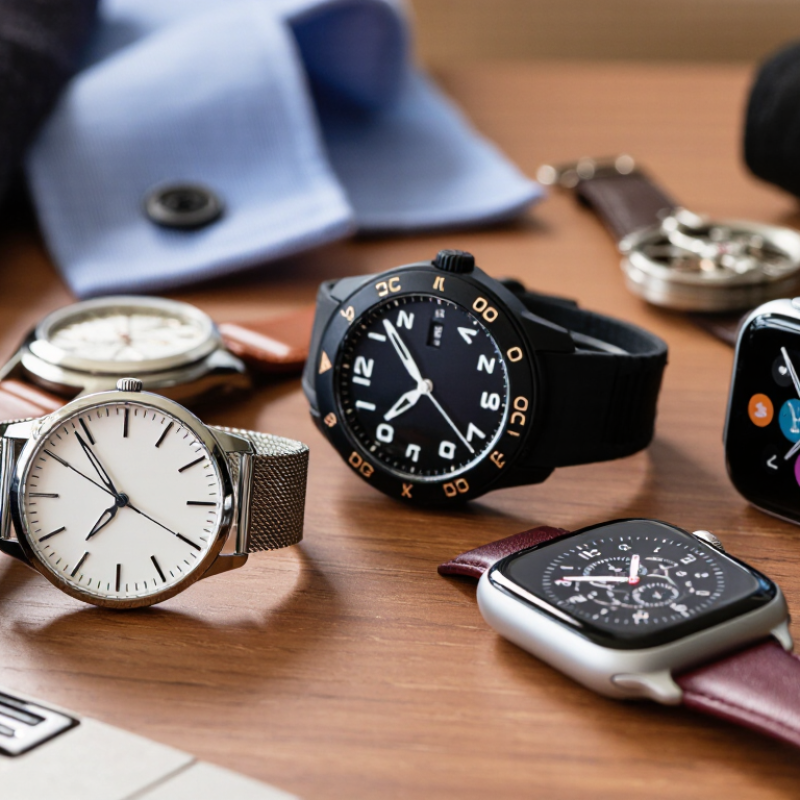
Choosing a wristwatch starts with your actual routine, not a feature list. Think about where you wear it: at a desk, outdoors, or during exercise. A slim case may slide easily beneath a shirt cuff, while a larger face can be easier to read on the move. Try the watch on if possible. Notice whether the case presses against your wrist or shifts when you turn your hand. Small discomforts become hard to ignore after a full day. That matters.
Match the watch’s functions to how you will use it. For daily wear, clear markers and a comfortable strap may matter more than several extra displays. If you swim or work around water, check the stated water-resistance rating and its limits; the wording does not mean every watch suits every water activity. For travel, a second time zone may be genuinely useful. For formal occasions, a simpler design may fit more easily. Be honest about your habits, too. It is easy to imagine using a stopwatch every week, then never touch it. Your needs may change, so allow some flexibility without paying for features you are unlikely to use. A practical choice often feels less exciting at first glance, but more natural on an ordinary Tuesday.
Choosing a wristwatch in 2026 starts with how you want it powered. Quartz watches use a small battery and usually keep steady time with little daily attention. They suit busy routines, though the battery will eventually need replacing. Mechanical watches store energy in a wound spring. Manual models need regular winding; automatic models wind as your wrist moves. Leave one unworn, and it may stop. Very practical? Not always.
Solar watches convert light into stored energy, so a bright desk or window can help keep them running. Check the maker’s stated reserve and charging guidance; indoor light and long storage can affect performance. Some watches use rechargeable cells, while others rely on replaceable batteries. Compare expected accuracy, maintenance, and service options—not just the movement label. A mechanical watch can be satisfying to use, but it may need periodic adjustment. That trade-off is easy to underestimate.
Tips: Match the power source to your habits. If you rotate watches often, consider how each one restarts after sitting unused. For a low-maintenance daily watch, quartz or solar may fit; for hands-on upkeep, mechanical could appeal. There is no perfect choice, and personal taste sometimes outweighs the spreadsheet.
| Movement type | Power source | How it works | Typical accuracy | Routine upkeep | Key advantages | Things to consider | A good fit for |
|---|---|---|---|---|---|---|---|
| Manual mechanical | A mainspring wound by turning the crown | The wound spring gradually releases energy through gears and an escapement. | Often varies by seconds per day; accuracy depends on design, condition, position, and regulation. | Wind regularly, usually daily or as specified. Periodic professional servicing may be needed; the interval varies by watch and use. | No battery required; traditional construction and a direct winding routine. | Needs regular winding and can lose or gain more time than a quartz watch. Avoid winding past resistance. | People who enjoy hands-on watch ownership and traditional mechanics. |
| Automatic mechanical | A mainspring wound by a moving rotor; it can also usually be wound by hand | Movement of the wrist turns a rotor that winds the mainspring. Stored energy keeps the watch running when it is off the wrist. | Often varies by seconds per day; actual performance depends on regulation, condition, position, and wearing habits. | Generally needs periodic professional servicing. If left unworn beyond its power reserve, it stops and must be reset. | No disposable battery; winds itself during sufficient wear. | Accuracy is generally less consistent than quartz, and a stopped watch may need resetting. A watch winder is optional, not essential. | People who wear a watch regularly and value mechanical craftsmanship. |
| Battery-powered quartz | A replaceable battery | The battery powers an electronic circuit that drives a quartz crystal oscillator and a stepper motor. | Many ordinary quartz watches are rated around ±15 seconds per month; specifications vary by model and temperature. | Battery replacement is commonly needed every few years, depending on the watch and its functions. Check seals when the case is opened. | Generally accurate, convenient, and often less costly to maintain than a mechanical movement. | Requires battery replacement; a depleted battery should not be left in the watch for an extended period. | People who prioritize convenient, dependable everyday timekeeping. |
| Solar-powered quartz | Light collected by a solar cell and stored in a rechargeable cell | The solar cell converts light into electricity to run a quartz movement and recharge its internal energy store. | Typically similar to other quartz watches; check the model’s stated accuracy specification. | Keep it exposed to light according to the manufacturer’s guidance. The rechargeable cell may eventually need replacement. | Can reduce the need for routine disposable-battery changes and can run for an extended time when fully charged. | Needs adequate light over time; long storage in darkness can deplete the charge. | People seeking low-maintenance quartz timekeeping and who can expose the watch to light periodically. |
| Kinetic quartz | Wrist motion drives a generator that charges an internal rechargeable cell | A rotor converts movement into electrical energy, which powers a quartz-regulated timekeeping circuit. | Generally quartz-like; the exact rating depends on the movement. | Regular wear or appropriate storage may be needed to maintain charge. The rechargeable cell can eventually require replacement. | Combines quartz timekeeping with motion-generated electricity, without relying on regular light exposure. | May lose charge if left unworn, and the internal rechargeable cell is not permanent. | People who want quartz-style timekeeping and wear their watch often. |
A watch should sit comfortably before it looks impressive. Measure your wrist with a soft tape, then compare the case width and lug-to-lug length. The lugs should not extend beyond your wrist’s edges. Case diameter helps, but thickness and shape matter too. A compact case can still feel bulky if it rises high above the wrist. Try it on, if possible.
Tips: Fasten the strap snugly, not tightly. Slide one finger underneath. Check the fit while your wrist is warm, since hands can swell slightly during the day.
Choose a dial you can read at a quick glance. Clear markers and strong contrast help in dim rooms, while a busy face may look appealing but take longer to read. Match the dial and case to your usual clothes, but give comfort priority. It is easy to focus on appearance and overlook how a watch catches on a sleeve. Small details matter.
Comfort wins.
A slightly imperfect match on paper may feel just right on your wrist.
Choosing a wristwatch in 2026 starts with materials you can live with every day. Stainless steel resists knocks and is easy to clean, though it may feel heavy on smaller wrists. Titanium is lighter, but its surface can show scratches differently. Ceramic resists many scratches but can chip if dropped onto a hard floor. Check the crystal, too: sapphire is highly scratch-resistant, while mineral glass may be less costly to replace. Feel the edges and clasp against your skin. Comfort matters.
Durability depends on more than a rugged-looking case. Look for clear water-resistance information, and match it to your routine; a rating does not mean every watch is suitable for swimming. Gaskets can age, so seals may need inspection after years of use or repairs. Useful features should solve real problems: a legible dial, reliable illumination, a timer, or a battery that lasts through busy weeks. Solar charging can reduce battery changes, but it still depends on available light. Small details count. I once underestimated how often I checked the time in dim rooms; a bright display would have helped more than extra functions. Consider repair access and strap replacement, too. A watch that fits well and can be maintained may serve longer than one chosen for specifications alone.
Set a budget before browsing, and include more than the watch’s sticker price. A comfortable limit should leave room for tax, a suitable strap, and possible servicing. I once focused too much on the case and ignored the cost of a replacement strap. That was a small but avoidable mistake. Decide which features matter daily, such as clear numerals, water resistance for your routine, or a light case. Then compare watches in the same price range rather than stretching your budget for features you may rarely use.
Read the warranty before paying. Check its duration, what parts it covers, and whether routine wear or water damage is excluded. Ask how repairs are handled and keep the answer in writing. Small detail. Check the seller’s return window, contact information, and history of resolving complaints. Look for repeated reports about missing paperwork or delayed refunds, not just one angry review. A trustworthy seller should provide a dated receipt and clear product details. If the terms feel vague, pause and ask questions. I would not treat a polished product page as proof of reliability; it is only one piece of evidence. Keep the receipt and warranty documents together, where you can find them later.