How to Choose a Stainless Steel Butterfly Valve for Your Project?
Selecting the right Stainless Steel Butterfly Valve for your project can be challenging. Industry expert John Smith states, "Understanding the unique requirements of your system is crucial." Choosing the right valve impacts performance and longevity.
Stainless Steel Butterfly Valves are well-known for their durability and resistance to corrosion. These valves operate efficiently in various applications, from water systems to chemical processing. It’s vital to consider factors like size, pressure rating, and temperature. Failing to match these elements can lead to inefficiencies or system failures.
Many overlook the importance of compatibility with existing systems. A common mistake is assuming all valves are interchangeable. This can result in increased costs or project delays. Thorough research and expert consultations can help clarify your project's needs. Reflect on your system dynamics to ensure you make an informed choice.
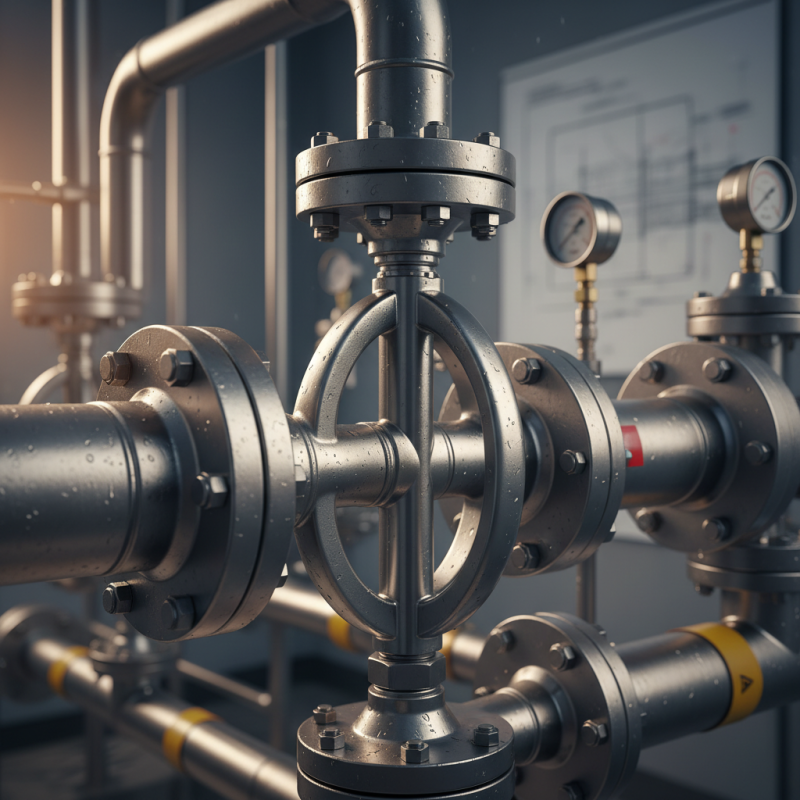
Understanding the Basics of Stainless Steel Butterfly Valves
Understanding the basics of stainless steel butterfly valves is crucial for effective project planning. These valves are widely used in various industries, including water treatment and food processing. Stainless steel offers durability and corrosion resistance, making it a popular choice for these applications. Research indicates that the global butterfly valve market is projected to grow at a CAGR of 4.5% from 2022 to 2027, highlighting its importance in fluid control systems.
When selecting a stainless steel butterfly valve, consider factors like pressure ratings and size. Different projects may require specific valve types. For example, the API 609 standards dictate how valves should perform under varying conditions. This information is vital for ensuring compliance and avoiding potential failures. Different designs impact flow characteristics, impacting efficiency and energy consumption.
Tips: Invest time in understanding your project requirements. Review technical specifications carefully. Using the right valve can significantly enhance system performance. Remember, not all valves can perform well in all conditions. Consider the environment and medium passing through the valve for better reliability. If there is uncertainty about the design or size, consult with industry experts. Their insights can help navigate complex decisions.
Identifying Your Project Requirements for Valve Selection
When selecting a stainless steel butterfly valve, identifying your project requirements is critical. Each project has unique demands that will influence your choice. For instance, pressure ratings and temperature ranges are essential factors. The American Society of Mechanical Engineers (ASME) reports that most applications require valves rated for pressures up to 150 psi. However, certain industries or applications might demand higher ratings, reaching 600 psi or more.
Additionally, understanding the fluid's properties is vital. Factors like fluid type, viscosity, and corrosiveness will affect your material selection. According to a study by the ASTM, selecting the right material can reduce maintenance costs by up to 30%. For example, if dealing with corrosive substances, opting for a stainless steel grade like 316 can enhance longevity. Size and flow rate also matter. A mismatch can severely impact system efficiency.
Finally, consider installation and operational aspects. Evaluate the available space and ease of access for maintenance. You may want to review design standards like ISO 5208 for better performance insights. A poorly planned installation might lead to valve failures, reflecting the importance of careful planning. Each decision you make should be based on a deep understanding of these requirements.
Evaluating Materials and Construction for Durability
When choosing a stainless steel butterfly valve, material and construction are crucial for ensuring durability. Stainless steel stands out for its corrosion resistance. It often withstands harsh environments without degrading. This quality is essential in industries like water treatment and chemical processing. However, not all stainless steel is created equal. Various grades offer different levels of resistance and strength.
Construction methods also impact the valve's longevity. Look for welded joints rather than flanged ones. Welded joints provide greater integrity, reducing the risk of leakage. Additionally, inspect the surface finish. A polished surface can enhance corrosion resistance. Pay attention to the operating mechanism as well. Some valves may require frequent adjustments, while others offer smooth, maintenance-free operation.
Even with strong materials, real-world conditions can be unpredictable. Temperature fluctuations and pressure variations challenge valve performance over time. It’s essential to evaluate how well a valve will perform under specific project conditions. This evaluation might involve consulting industry guidelines or expert advice. Understanding your environment and material compatibility is vital for making a reliable choice.
Comparing Different Types of Butterfly Valves
When selecting a butterfly valve for your project, it's crucial to understand the different types available. Butterfly valves can be classified into several categories, including resilient seated, metal seated, and high-performance types. Resilient seated valves are ideal for low-pressure applications, providing a tight seal. However, they may not hold up well under extreme temperatures.
Metal seated valves can handle higher pressures but might suffer from wear over time, especially in harsh environments.
High-performance butterfly valves often adopt advanced materials and design features. They offer better flow rates and can manage higher differential pressures than other types. Their versatile design makes them suitable for a variety of applications, from water treatment to industrial processes. Yet, they can be more expensive and may require regular maintenance to ensure longevity.
Choosing the right valve depends on your specific application needs. Analyzing the operating conditions is essential. Each type has strengths and weaknesses that must be weighed carefully. It’s easy to overlook the long-term implications of your choice. Ignoring factors like operating pressure and environmental conditions can lead to costly mistakes later on.
Test and evaluate different options before making a final decision to ensure the best fit for your project.
Considering Size and Port Design for Optimal Performance
Choosing the right size and port design for a stainless steel butterfly valve is crucial. The valve's size directly impacts its flow capacity and efficiency. A valve that is too small may restrict flow, causing pressure build-up. Conversely, an oversized valve could lead to turbulence and inefficiencies. It's essential to assess the specific requirements of the system, including pressure, temperature, and type of fluid. Often, engineers must balance these factors to prevent operational issues.
Port design plays a significant role in valve performance. A full-port design allows maximum flow with minimal restrictions. This is ideal for applications requiring high flow rates. On the other hand, reduced-port designs can be more compact and economical but may limit flow. Some projects might suffer from using the wrong port design. Careful consideration of the application can mitigate potential problems. Understanding the environmental conditions is crucial for selecting a durable valve that withstands corrosive elements.
Sometimes, the best design choices come from experience. A mistake in sizing or port selection may lead to costly repairs later. Observing past projects can provide valuable insights. Consulting with experts can help clarify any uncertainties. Even minor adjustments can lead to significant improvements in performance and reliability. Balancing cost and efficiency is necessary and often requires careful thought and planning.

 24 Hour Service