Why Choose Aluminum Profile For Pergola Over Other Materials?
When considering materials for a pergola, aluminum profiles stand out as a top choice. Aluminum profile for pergola offers unique benefits that other materials simply cannot match. Its lightweight nature makes installation a breeze, while its durability ensures longevity. Unlike wood, aluminum won’t warp or rot over time.
Furthermore, the aesthetic appeal of aluminum is undeniable. It comes in various finishes that can complement any outdoor space. Homeowners often appreciate this versatility. Nonetheless, some may hesitate due to perceived weaknesses in thermal performance. It's essential to recognize how advanced engineering addresses such concerns.
Choosing aluminum profile for pergola requires careful thought. While it may not always be the least expensive option, its long-term value is an aspect worth considering. Many users find themselves delighted with the investment after years of use. In the end, weighing the benefits and drawbacks reveals why aluminum is favored by so many.
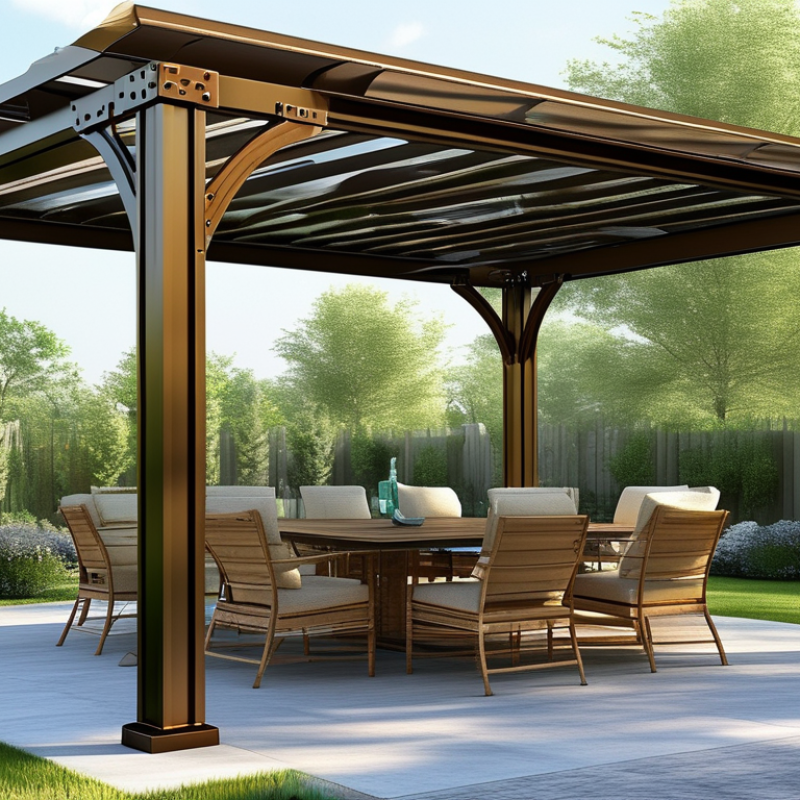
Benefits of Aluminum Profiles in Pergola Construction Compared to Wood
Aluminum profiles are becoming the preferred choice for pergola construction. Unlike wood, aluminum offers greater durability and requires less maintenance. According to industry reports, aluminum structures can last over 50 years without significant wear, while wooden pergolas often need replacement within 20 years.
Additionally, aluminum is resistant to common issues like rot, termites, and warping. A study by the American Society of Landscape Architects highlights that material durability significantly impacts long-term landscaping costs. Homeowners can save up to 30% on maintenance with aluminum compared to wood.
The lightweight nature of aluminum simplifies transportation and installation. Many DIY enthusiasts appreciate this factor. Yet, one must consider the potential aesthetic limitations. While aluminum can mimic the look of wood, some may prefer the authentic feel of natural materials. This preference can lead to mixed feelings when choosing aluminum. The decision ultimately depends on the balance between aesthetics and practicality.
Durability: Aluminum's Resistance to Weathering and Corrosion
When considering materials for a pergola, aluminum stands out due to its exceptional durability. Unlike wood or vinyl, aluminum is inherently resistant to weathering. Rain, snow, and sun exposure do not degrade its structure. This quality makes it an excellent choice for outdoor use.
Moreover, aluminum resists corrosion. It won't rot or rust like metal alternatives. This resistance keeps your pergola looking new, year after year. In coastal areas, this becomes crucial. Saltwater can quickly erode weaker materials. Aluminum maintains integrity even in such harsh environments.
Many people overlook these advantages. They might think wood provides a timeless look. However, wood requires maintenance, such as staining or sealing. The contrast is clear. Choose aluminum for a long-lasting, low-maintenance option. The decision pays off in the long run, with less hassle and more enjoyment of your outdoor space.
Why Choose Aluminum Profile For Pergola Over Other Materials? - Durability: Aluminum's Resistance to Weathering and Corrosion
| Material | Weather Resistance | Corrosion Resistance | Maintenance Required | Lifespan (Years) |
| Aluminum | Excellent | High | Low | 30+ |
| Wood | Moderate | Low | High | 15-20 |
| Steel | Good | Moderate | Medium | 20-25 |
| Vinyl | Good | High | Low | 25+ |
Cost-Effectiveness: Long-Term Savings on Maintenance and Replacement
When considering material options for a pergola, aluminum profiles stand out for their cost-effectiveness. While wood and vinyl may seem appealing, they often incur higher long-term maintenance costs. According to a 2023 industry report from the National Association of Home Builders, homeowners spend an average of $1,200 annually on upkeep for wooden structures. This includes painting, sealing, and repairs, which can add up significantly over time.
In contrast, aluminum pergolas require minimal maintenance. A simple wipe-down with soap and water suffices to keep them looking new. Studies indicate that aluminum can last up to 50 years without warping, rotting, or fading, making it an excellent investment. Moreover, the initial cost of aluminum profiles can be higher than wood. However, when examining lifecycle costs, aluminum proves to be a sensible choice.
Beyond maintenance, the environmental impact of materials should not be overlooked. Aluminum is recyclable, contributing to sustainability in construction. The Aluminum Association reports that around 75% of all aluminum ever produced is still in use today. This not only affects long-term costs but also aligns with eco-friendly practices. Reflecting on these aspects reveals that choosing aluminum profiles is not merely a trend but a strategic, financially sensible decision for enduring outdoor structures.
Lightweight Nature of Aluminum for Easier Installation and Design Flexibility
Aluminum profiles have become the go-to choice for pergola construction, mainly due to their lightweight nature. This property significantly simplifies the installation process. According to industry research, aluminum is 40% lighter than steel, making it easier for contractors to handle and assemble. A lighter framework also means fewer structural supports are needed, providing flexibility in design configurations.
The design versatility offered by aluminum is remarkable. It can be easily extruded into various shapes, allowing for innovative and modern structures. Customization can be achieved without sacrificing strength. Recent reports show that aluminum pergolas can withstand winds of up to 120 mph, ensuring safety for homeowners. Despite its lightweight characteristics, aluminum does not compromise on durability.
However, working with aluminum does require careful attention. If not treated properly, it might suffer from oxidation. This can undermine its aesthetics and structural integrity over time. Therefore, proper coatings and maintenance become essential considerations. Balancing these factors is vital for achieving the best results in aluminum pergola installations. The advantages are clear, but they come with responsibilities that cannot be overlooked.
Sustainability: The Recyclability and Eco-Friendliness of Aluminum Profiles
When it comes to selecting materials for a pergola, aluminum profiles stand out notably for their eco-friendliness. Aluminum is highly recyclable, making it an excellent choice for sustainability-focused projects. Nearly 75% of aluminum produced since 1888 is still in use today. This attribute not only reduces waste but also conserves energy used in the manufacturing process.
Furthermore, the production and recycling of aluminum consume less energy compared to other materials like steel or PVC. Choosing aluminum supports a circular economy. The lifespan of aluminum profiles is impressive, too. They resist corrosion, which means fewer replacements and long-term stability.
However, it’s important to acknowledge some challenges that come with aluminum. While its initial cost may be higher than wood, the durability and low maintenance requirements often outweigh these concerns. We can make thoughtful decisions by weighing these factors against environmental impacts. This assessment is essential for anyone committed to creating a sustainable outdoor space.
Why Choose Aluminum Profile For Pergola Over Other Materials?

 24 Hour Service