
24 Hour ServiceChoosing a supplier for Heavy-Duty Sliding & Folding Doors takes more than comparing catalog photos or headline prices. These systems must move large panels smoothly, hold their alignment, and seal reliably through repeated use. Small details matter: track depth, roller capacity, frame finish, weather seals, and the space required when panels fold open. A door that looks solid in a showroom may behave differently after installation.
This guide introduces ten Chinese suppliers for buyers seeking options for commercial, residential, or project-based applications. It offers a starting point, not a certified ranking. Supplier capabilities and product specifications can change, so confirm current details directly. Ask for drawings, material specifications, load information, finish samples, warranty terms, and references for comparable projects. If possible, review a working sample; a catalog cannot show every issue with noise, alignment, or operation.
Be specific about your site. Opening width, panel size, exposure to rain or wind, and daily use can all affect the right system. A lower quotation may not include installation guidance, replacement hardware, or export support. That can matter later. Even a well-presented supplier profile may leave unanswered questions, and that is worth acknowledging. Use the profiles below to build a shortlist, then compare each supplier against your project requirements and verify the details before making a decision.
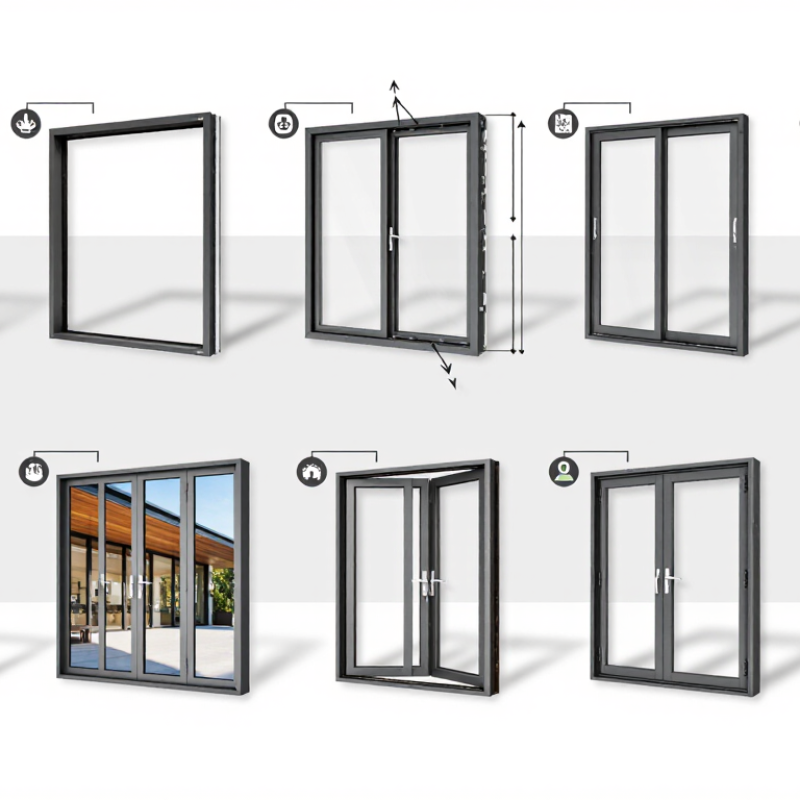
Heavy-duty sliding folding doors use linked panels that slide along a track and fold to one or both sides. They can open broad passages in commercial spaces, workshops, and homes with large patios. Their performance depends on more than panel thickness. Track strength, roller design, hinges, frame rigidity, and the opening’s dimensions all matter. A door carrying glass panels may place very different demands on its hardware than one with insulated metal panels.
For a practical assessment, check the stated panel weight and the system’s rated capacity together. Also consider wind exposure, threshold height, drainage, seals, and how often the door will cycle each day. A heavy-duty rating cannot correct a poorly aligned track; that assumption deserves a second look. Even a well-specified door can feel rough if the floor is uneven or installation tolerances are missed. I would verify these details before comparing appearance or price.
Tips: Measure the opening at several points, not just once. Ask how rollers and hinges are serviced, and test the panels after installation. Smooth movement matters. A small amount of resistance can become tiring with frequent use.
Indicative mass per square metre for common door-leaf materials, calculated from typical material densities and the thicknesses shown. These figures exclude frames, hardware, coatings, and other components; actual door weights vary by design.
China Top 10 Heavy Duty Sliding Folding Door Suppliers
Heavy-duty sliding folding doors suit wide openings in warehouses, workshops, restaurants, and homes with patios. They stack panels to one side, leaving more of the opening clear than many standard doors. Measure the opening carefully, including floor level and wall space for stacked panels. A small slope can affect smooth operation.
Common frame materials include aluminum and steel. Aluminum is lighter and resists corrosion, while steel can support heavier panel designs but needs suitable protection against rust. Glass, insulated panels, or mixed infills affect weight, daylight, and thermal performance. Check the track, rollers, hinges, locking points, and seals as one system. Ask suppliers for load information and installation guidance, not just panel dimensions. A brochure may look convincing; site conditions can be messier.
Tips: Confirm the opening width, panel weight, and stacking direction before comparing suppliers. Ask how rollers can be adjusted or replaced, and whether the track suits your floor. Measure twice. Also check drainage and weather seals for exposed openings. Small gaps matter. If possible, review a working installation or sample hardware; specifications alone do not show how a door feels in daily use.
The entries below describe common supplier capability profiles and system types, not ranked or named companies. Actual panel sizes, weights, wind resistance, and hardware specifications depend on the selected system and project requirements.
| Supplier Capability Profile | Typical Applications | Common Materials | System Configuration | Key System Features |
|---|---|---|---|---|
| 1. Commercial aluminum systems | Retail storefronts, offices, and commercial entrances | Aluminum frames; tempered or laminated glass | Multiple hinged panels that fold and stack to one or both sides | Corrosion-resistant profiles, configurable opening direction, and replaceable rollers and seals |
| 2. Thermally broken aluminum systems | Conditioned commercial spaces and residential extensions | Thermally broken aluminum frames; insulated glazing units | Top-hung or bottom-rolling folding panels, subject to system design | Thermal barriers, perimeter weather seals, and glazing options selected for energy performance |
| 3. Steel-frame heavy-duty systems | Industrial buildings, workshops, and large service openings | Coated or galvanized steel frames; solid panels or safety glazing | Robust multi-panel assemblies with heavy-duty hinges and track hardware | Stiff frame construction, durable finishes, and hardware selected for the panel weight and duty cycle |
| 4. Insulated industrial door systems | Warehouses, logistics areas, and temperature-controlled facilities | Insulated metal-faced panels with sealed joints and compatible frames | Folding leaves arranged to clear wide vehicle or equipment openings | Insulated panel construction, perimeter sealing, and optional personnel access doors where engineered |
| 5. Glass-focused architectural systems | Hotels, restaurants, showrooms, and indoor-outdoor spaces | Aluminum or other engineered frames; tempered or laminated safety glass | Glazed folding panels with narrow sightlines where permitted by design | Clear opening when folded, coordinated glazing beads, and drainage and sealing details suited to exposure |
| 6. Timber and timber-aluminum systems | Homes, hospitality projects, and renovation work | Engineered timber, timber-aluminum composite frames, and insulated or safety glazing | Multi-leaf folding doors with interior or exterior stacking options | Natural interior finish options, protected exterior surfaces on composite designs, and adjustable hardware |
| 7. Weather-resistant coastal systems | Coastal buildings and exposed exterior openings | Protectively finished aluminum or stainless-steel hardware with compatible glazing and seals | Folding assemblies designed for the project’s exposure and opening dimensions | Corrosion-conscious hardware selection, drainage provisions, and weather seals; performance requires project-specific verification |
| 8. Fire-rated opening specialists | Commercial or industrial openings requiring a specified fire-protection rating | Tested fire-door leaf materials, fire-rated glazing where applicable, and listed compatible hardware | Folding arrangement only where the complete assembly is approved for that configuration | Rating and use depend on the tested or certified assembly, installation details, and applicable local code |
| 9. Security-oriented systems | Commercial premises, service areas, and controlled-access openings | Reinforced metal frames or panels, safety glazing, and security-rated locking components as specified | Multi-point locking or other project-selected locking arrangements | Locking points, track protection, and glazing choices should be matched to the required security level |
| 10. Custom large-opening system fabricators | Aircraft hangars, event venues, agricultural buildings, and oversized openings | Engineered steel or aluminum frames with solid, insulated, or glazed infill | Project-specific panel counts, stacking layouts, and track or hinge arrangements | Structural design, wind-load assessment, operating clearances, and hardware capacity should be confirmed for each project |
Selection note: Confirm opening dimensions, panel weight, operating frequency, wind exposure, thermal requirements, accessibility needs, applicable codes, and installation conditions before specifying a system.
When evaluating Chinese suppliers of heavy-duty sliding folding doors, look beyond attractive photographs and quoted prices. Ask for the rated panel weight, maximum opening size, and hardware specifications. A clear answer should identify track material, roller capacity, hinge type, and the number of cycles used in testing. Details matter.
Request drawings that show frame sections, glass or panel thickness, drainage paths, and installation tolerances. Compare these with a physical sample, especially at corner joints and track connections. Check whether surface finishes have documented durability tests, and ask how replacement rollers or seals are sourced. A polished sample is useful, but it cannot prove consistent production. That part takes more checking.
Supplier assessment should also cover quality controls and communication. Ask how incoming materials, finished dimensions, and operating force are inspected, and request recent inspection records where available. Confirm lead times, packing methods, spare-parts support, and written warranty terms before placing an order. References from projects with similar panel sizes can provide helpful context. Still, references may not reveal every problem. I would verify claims with a sample review or an independent inspection, while keeping the specification sheet precise enough to prevent costly misunderstandings.
Supplier 1 specializes in aluminum frames for wide openings, with attention to track alignment.
Supplier 2 offers steel systems for workshops and warehouses. Ask for load ratings, not just a thick-looking frame.
Supplier 3 makes doors with insulated panels, useful where temperature control matters.
Supplier 4 focuses on custom dimensions and unusual opening layouts. Its lead times may need careful checking.
Supplier 5 supplies track and roller assemblies alongside complete doors. Inspect sample rollers for smooth movement and noise.
Supplier 6 works on glazed folding systems for commercial spaces, where hardware quality affects daily use.
Supplier 7 provides industrial configurations with reinforced hinges and bottom guides. Request drawings that show fixing points.
Supplier 8 appears suited to projects needing coordinated frames, panels, and accessories. However, a broad catalog does not prove every option is tested.
Supplier 9 focuses on made-to-order systems, including nonstandard panel widths. Confirm tolerances before production.
Supplier 10 serves buyers seeking basic, cost-conscious configurations. Lower initial prices can leave questions about spare parts or finish durability.
Across these profiles, compare material specifications, cycle-test documentation, warranty terms, and installation guidance. Ask how suppliers handle uneven floors, exposed tracks, and replacement hardware. A small sample can reveal details that brochures miss.
When comparing China’s heavy-duty sliding folding door suppliers, look beyond catalog photos. Ask for panel weight limits, maximum opening dimensions, and the tested cycle life of the hardware. These figures should match your project, not just sound impressive. Request drawings showing track support, folding direction, and fixing points. Small details matter.
Check how each supplier verifies performance. A useful sample review includes smooth movement under load, secure locking, even panel alignment, and seals that sit firmly when closed. Ask what materials are used for tracks, hinges, and rollers, and how finishes are checked for wear or corrosion. Get written details on warranty coverage, spare parts, and production lead times. Vague replies are a warning.
Test the conversation, too. Send the same specification to several suppliers and compare how clearly they identify missing information. A reliable partner should explain trade-offs, such as wider panels requiring stronger support or different hardware. Ask for project references and quality inspection records, then verify what you can. A polished catalog can still hide gaps. I would not choose on price alone; that can be tempting, but costly to correct later.