How to Buy a Used Small Excavator for Your Project?
When considering a project that requires excavation, a Used Small Excavator can be an attractive option. According to the Construction Equipment Manufacturers Association, the demand for compact machinery has surged by 30% in recent years. This trend highlights how essential used small excavators are for contractors aiming to cut costs while maintaining efficiency.
Expert Jake Thompson, a veteran in construction equipment sales, emphasizes, "Choosing a reliable used small excavator can save you money, but you must do your homework." His insights reflect the importance of careful selection. The used market attracts many buyers, yet not all machines are created equal.
Buyers must evaluate a machine’s history and performance. Features like hour meters and maintenance records provide clues to reliability. Risk is unavoidable, but informed choices can minimize it. Investing in a well-maintained used small excavator often yields better returns than opting for cheaper, neglected models.
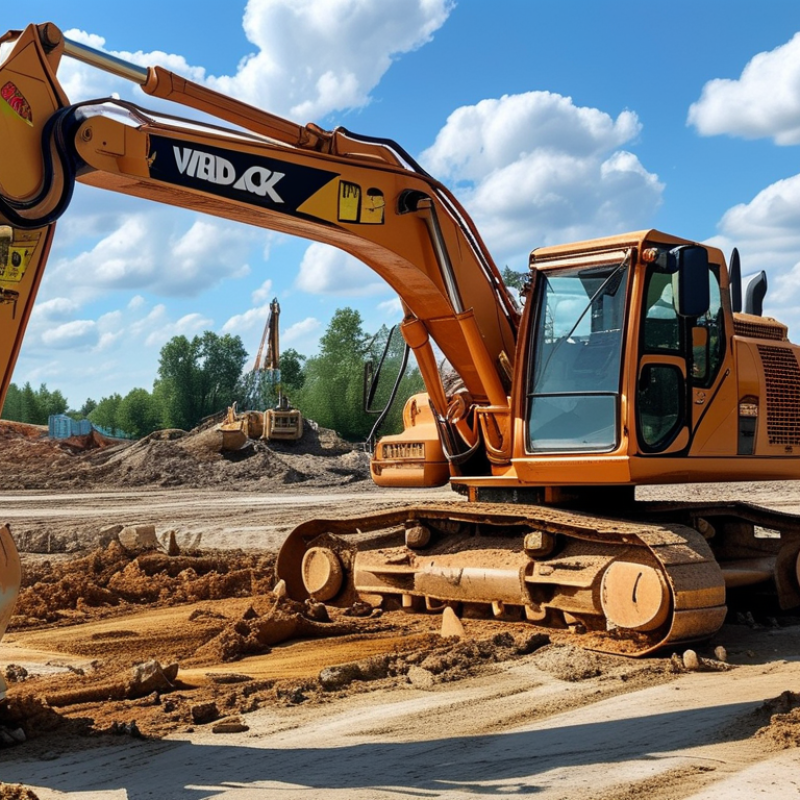
Understanding Your Project Requirements for a Used Small Excavator
Understanding your project requirements is crucial when buying a used small excavator. Start by evaluating the tasks you plan to undertake. Will you be digging a foundation, landscaping a yard, or performing utility work? Each job demands a specific type of excavator. Knowing the depth and volume of soil you'll handle will guide your choice.
Consider the excavator's size and weight. A small excavator might be ideal for tight spaces. However, it needs adequate power for heavier tasks. Take note of the machine's lifting capacity as well. If your project involves maneuvering heavy materials, this aspect cannot be overlooked.
Additionally, reflect on whether you need attachments like buckets or thumbs. These can expand your machine's versatility. Explore the machine's history as well. A well-documented maintenance record is a good sign. But remember, even reliable brands can have issues. Inspect for wear and tear in critical components. Ensure that the hydraulics, tracks, and engine are in proper condition. This inspection can prevent costly repairs later. It's worth acknowledging that buying a used machine carries risks. Make sure you’re prepared for potential challenges.
Researching Different Models and Brands of Used Small Excavators
When researching different models and brands of used small excavators, it's crucial to start with your project needs. Define what tasks you want to accomplish. Do you need something compact for tight spaces, or a more powerful machine for heavier jobs? Each model has unique specifications. Consider the operating weight, digging depth, and bucket capacity. Look for machines that fit those specific requirements.
Go beyond general online reviews. Seek feedback from industry professionals. Join forums and ask for opinions on various models. Pay attention to the common issues mentioned. Some older models are prone to breakdowns, while others are praised for reliability. It's helpful to compare features and understand which brands have a strong reputation in the market.
Inspect the condition of the excavator before purchase. Look for signs of wear and tear. Check the hydraulic system and engine performance. It's essential to inquire about the machine's history. Has it been well-maintained? Are there repair records available? These details can affect your decision. Always consider potential risks and challenges when buying used equipment. A small misstep could lead to costly repairs later on.
How to Buy a Used Small Excavator for Your Project?
| Model | Operating Weight (lbs) | Engine Power (HP) | Bucket Capacity (cu ft) | Year | Price ($) |
| Excavator A | 7000 | 55 | 0.5 | 2018 | 20000 |
| Excavator B | 8000 | 60 | 0.6 | 2017 | 23000 |
| Excavator C | 6000 | 50 | 0.45 | 2019 | 19000 |
| Excavator D | 7500 | 57 | 0.55 | 2016 | 21000 |
Assessing the Condition and History of a Used Excavator
When evaluating the condition and history of a used small excavator, understanding its past is crucial. Research indicates that nearly 30% of excavators experience major mechanical issues within the first five years. Gathering maintenance records can reveal red flags. Consistent servicing is a good sign. Missing records? This could suggest negligence or poor upkeep.
Take a close look at the wear and tear. Inspect the undercarriage and hydraulic systems; these components are costly to repair. Experts note that around 40% of excavators show significant wear in these areas by the third year of use. Whether the machine has been in harsh environments affects its longevity, too. Understand how the previous owner utilized the equipment.
Finally, test the excavator thoroughly. A short demo can highlight hidden problems. Listen for unusual sounds. Check responsiveness. Remember, a shiny exterior doesn't guarantee reliability. Reflect on the importance of thoroughness in this process; overlooking details can lead to costly choices. Prioritizing a comprehensive assessment ensures a more informed purchase decision.
Evaluating Price and Financing Options for Your Purchase
When considering the purchase of a used small excavator, evaluating price and financing options is essential. Start by researching the market prices for similar models. Prices can vary widely based on age, condition, and features. Check multiple sources to gauge a fair price. It’s important to compare listings from different sellers. Look for those who provide complete histories of maintenance and repairs. This adds value and assurance to your purchase.
Financing options can be daunting. Many buyers overlook potential financing plans available through local banks or credit unions. Some sellers may even offer financing. Assess your budget carefully. Consider whether a loan or lease fits your financial situation best. It’s beneficial to review the terms in detail. Interest rates and repayment schedules can significantly impact your overall cost. Don't rush into financing without understanding the long-term implications.
Be prepared for hidden costs. Insurance and maintenance are often left out of purchase discussions. These can add up over time. Securing a thorough inspection before purchase can prevent unexpected expenses. This may require an expert, but it can save you in the long run. Reflect on your project needs, as they should inform your financial decisions. Always weigh the risks involved in used equipment purchases.
Finding Reliable Sellers and Negotiating the Purchase Price
When searching for a used small excavator, finding reliable sellers is crucial. Look for local dealerships that specialize in heavy equipment. Check their online reviews to gauge previous customer experiences. A reputable seller will have a straightforward return policy and transparent information about the machine's condition.
Negotiation is an essential part of the purchasing process. Start by gathering knowledge on the typical price range for the excavator model you want. Use this information to your advantage. If the seller is asking for a high price, point out any issues or repairs needed. This demonstrates your understanding and may lead to a lower offer. You might find it challenging to negotiate, but remember that persistence is key.
Inspecting the excavator beforehand is vital as well. Look for signs of wear and tear, including leaks and rust. Asking for maintenance records can provide insight into the machine's history. Trust your instincts during the negotiation. If something feels off, it’s okay to walk away. This can lead to valuable lessons for future purchases. Take your time, and don’t rush into decisions.

 24 Hour Service