How to Build a Liquefaction Plant for Efficient Gas Processing?
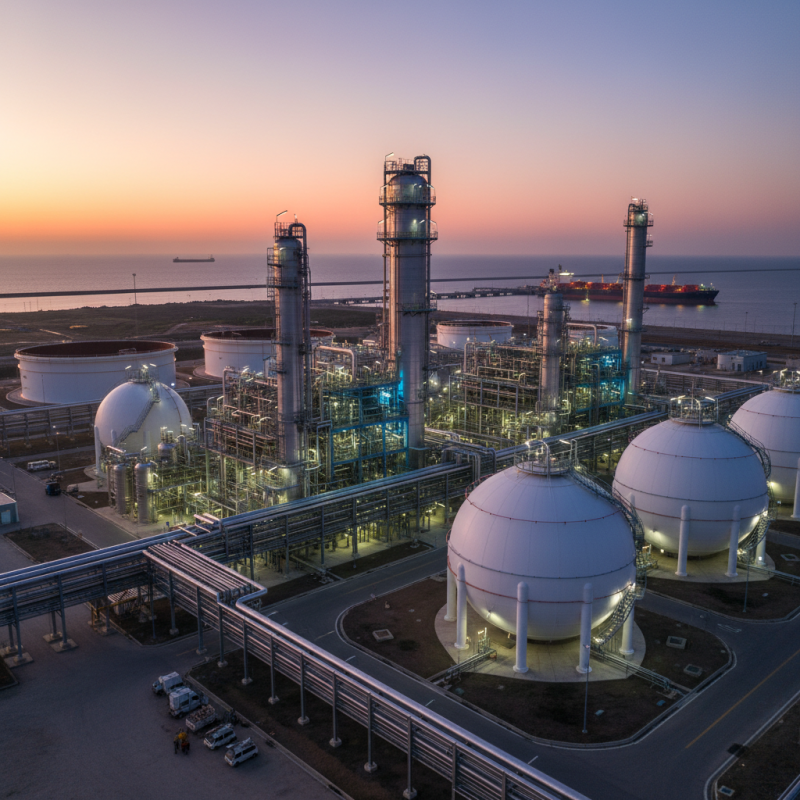
Building a Liquefaction Plant is a complex process. It requires careful planning and consideration of several key factors. A liquefaction plant converts gases into liquid forms for efficient storage and transport. The technology significantly enhances gas processing.
Designing such a plant involves multiple steps. You must choose suitable equipment and technology to maximize efficiency. The layout should ensure smooth operations. Additionally, environmental impact must be considered at every stage.
Establishing a liquefaction plant comes with challenges. For instance, the initial costs can be high. Staff training is essential but often overlooked. Continuous monitoring and maintenance are necessary for long-term success. Addressing these challenges is crucial for creating an effective gas processing facility.
Overview of Liquefaction Technology and Its Applications
Liquefaction technology is crucial in gas processing. It allows for efficient transportation and storage of natural gas. According to the International Gas Union (IGU), global LNG trade reached approximately 372 million tons in 2021. This growing demand highlights the importance of liquefaction plants.
The liquefaction process involves cooling gas to a liquid state. This reduces its volume by more than 600 times. Such efficiency makes it feasible to transport gas across long distances. Additionally, it can help mitigate methane emissions, which is essential for climate goals. However, building a liquefaction plant requires significant investment and careful planning. Factors like site location, energy supply, and technology choice must be considered.
Tips: Always assess local regulations before starting any project. Inspect potential sites for environmental impact. Evaluate whether the technology aligns with your operational goals.
Designing a liquefaction plant entails more than just the technology. Future trends indicate a push towards sustainability. Reports suggest that investments in carbon capture within liquefaction plants could enhance their viability. Operators need to remain flexible and open to innovations. It's a challenging journey, but essential for meeting global energy needs while addressing climate change.
Key Components of a Gas Liquefaction Plant
A gas liquefaction plant is a complex facility designed to convert gas into a liquid form. Key components play a vital role in achieving efficient processing. Cooling systems, for instance, are crucial. They lower gas temperatures, facilitating liquefaction. However, these systems can be energy-intensive. Finding a balance between efficiency and energy use is essential and often challenging.
Compressors are another significant part of the process. They increase the pressure of gas, making it easier to liquefy. There are various types of compressors, each with distinct advantages and drawbacks. Proper selection is critical but can be a complex task. Sometimes, equipment fails, leading to production delays. Regular maintenance and timely upgrades can mitigate this risk.
Heat exchangers also deserve attention. They maximize energy recovery during the liquefaction process. The design of these units may need adjustments based on operational data. Gathering data is essential, yet many plants struggle with this. Installing monitoring systems can provide insights needed for improvement. Each component must work in harmony for optimal performance, but this is often easier said than done.
How to Build a Liquefaction Plant for Efficient Gas Processing? - Key Components of a Gas Liquefaction Plant
| Component | Description | Purpose | Example Technologies |
| Pre-cooling System | Lowers the temperature of gas prior to liquefaction. | Enhances efficiency of the liquefaction process. | Cascade Cycle |
| Compressor | Increases pressure of the natural gas. | Facilitates the cooling and liquefaction process. | Centrifugal, Reciprocating |
| Heat Exchanger | Transfers heat between different fluids. | Essential for cooling and condensing gas. | Plate, Shell and Tube |
| Storage Tanks | Holds liquefied gas at low temperatures. | Maintains gas in liquid form for transportation. | Cryogenic Storage |
| Control Systems | Monitors and controls the entire process. | Ensures safety and efficiency of operations. | SCADA, PLC |
Step-by-Step Guide to Designing a Liquefaction Facility
Designing a liquefaction facility requires careful planning and attention to detail. Start by assessing the project site. Consider environmental factors and proximity to existing infrastructure. Gather data on local regulations and site conditions. This research is crucial. Failing to understand the site may lead to costly mistakes.
Next, determine your capacity needs. What volume of gas will you process? This decision influences equipment selection and layout. Choose the liquefaction technology that suits your needs best. Various methods exist. Each has pros and cons. Evaluate them carefully.
Then, focus on the design specifics. Each component must fit together seamlessly. Pay attention to cryogenic systems and safety features. These systems are complex. Regular testing and re-evaluation are necessary. You might overlook potential hazards if not careful. Engage with experienced engineers during this phase. Their insights can help avoid pitfalls.
Gas Processing Efficiency in Liquefaction Plants
Safety and Environmental Considerations in Plant Construction
Constructing a liquefaction plant involves several safety and environmental considerations. One major concern is emission control. According to a 2021 study by the International Energy Agency, gas processing facilities account for 30% of total CO2 emissions in the energy sector. Effective strategies must be put in place to minimize this impact. Implementing carbon capture technology could reduce emissions by up to 90%. However, the investment required raises questions about feasibility.
Water usage is another critical factor. Liquefaction plants consume significant amounts of water, aggravating local water scarcity. Reports indicate that some operations use over 300,000 gallons per day. Efficient water management practices are essential. Utilizing closed-loop systems can mitigate waste but might not be viable in all regions. Furthermore, adapting these systems requires ongoing research and adaptation.
Worker safety within the plant is crucial. The potential for accidents is high, with reports showing that heavy machinery is involved in over 40% of workplace incidents in the sector. Routine training and a strong safety culture can help reduce risks, but complacency often creeps in. Regular audits are necessary to keep safety standards in check, yet they can also lead to a false sense of security if not addressed continuously.
Operational Efficiency Techniques for Gas Processing Plants
Building a liquefaction plant requires a focus on operational efficiency. Efficient gas processing can significantly reduce costs. According to a report by the International Energy Agency, optimizing gas processing can increase production rates by up to 15%. This is crucial as the demand for liquefied natural gas continues to grow.
One effective technique is implementing advanced monitoring systems. Real-time data analysis can identify bottlenecks in production. This approach enhances decision-making and increases uptime. Regular maintenance schedules are essential, but many plants still struggle with unplanned downtime. It’s a challenge that can be addressed with better predictive maintenance tools. Industry statistics suggest that predictive maintenance can reduce downtime by up to 30%.
Automation plays a fundamental role as well. Utilizing automated systems can streamline operations. However, over-reliance on technology may introduce vulnerabilities. Human oversight remains vital. It is essential to balance automation with skilled human input, ensuring safety and efficiency. An industry report highlights that a mixed approach can improve output quality significantly. There is always room for improvement in these strategies; constant evaluation is necessary to stay ahead.

 24 Hour Service