7 Best Welding Leather Capes for Welders in 2026?
A Welding Leather Cape can protect the shoulders, chest, and upper arms from sparks and brief contact with hot material. Those details matter when a welder leans over a joint and sparks scatter across the collar. But leather alone does not make protective clothing suitable for every task. Fit, seams, closures, coverage, and compatibility with other protective equipment all deserve a close look.
Workplace risks are not theoretical. The U.S. Bureau of Labor Statistics reported 2.6 million nonfatal workplace injuries and illnesses in private industry in 2023, with a rate of 2.4 cases per 100 full-time workers. That figure covers many occupations, not welding alone. It offers context, not proof that a cape prevents injuries. OSHA’s welding, cutting, and brazing guidance also highlights hazards such as sparks, heat, and ultraviolet radiation. A cape is one layer of protection, not a complete safety plan.
This guide compares seven leather capes for welders in 2026, focusing on practical features, materials, coverage, and care. We also consider how a cape may sit over a jacket or fasten around a helmet. Small design differences can matter during a long shift. No cape is magic. Product descriptions do not replace workplace risk assessments or manufacturer instructions, and leather can still wear, stiffen, or become damaged. The best choice depends on the welding process, work position, and other protective gear. Some trade-offs remain. BLS injury data: 2023 Survey of Occupational Injuries and Illnesses. OSHA guidance: Welding, Cutting, and Brazing.
How Welding Leather Capes Protect Welders
A welding leather cape protects the neck, shoulders, and upper chest from sparks, spatter, and brief contact with radiant heat. These areas can sit close to the arc, especially when a welder leans over a joint or works beneath a structure. A cape adds coverage where an ordinary jacket may leave gaps. Fit matters. It should overlap the jacket without restricting head movement or making it harder to see the work.
Leather is durable, but it is not a shield against every hazard. A cape can reduce exposure to hot particles; it cannot prevent burns from prolonged heat, a direct arc flash, or sparks entering at an opening. Keep the collar closed and check that sleeves and gloves overlap. Small gaps matter. The right protection also depends on the process, position, and surrounding materials, so follow workplace procedures and use the full required protective equipment.
Before each use, look for cracked seams, scorched patches, stiff or brittle leather, and loose closures. Replace damaged gear rather than trusting it because it worked yesterday. Keep the cape dry and away from oils or flammable residue. Leather can feel reassuringly substantial, but that feeling is not proof of safety. I would still pause to check coverage after changing position; it is an easy step to forget when the work is moving quickly.
Key Features to Consider When Choosing a Cape
A welding leather cape should shield the neck, shoulders, and upper chest without blocking arm movement. Check that its front overlaps the jacket and that closures stay secure when you bend or reach. Flame-resistant leather, sturdy stitching, and covered fasteners help limit exposure to sparks and hot spatter. OSHA’s welding standard, 29 CFR 1910.252, requires suitable protection from welding hazards; a cape is only one part of that protection, not a substitute for a complete PPE assessment. Fit matters.
Prioritize coverage and comfort together. A cape that gaps at the collar can leave skin exposed, while a stiff shoulder panel may pull when you work overhead. Try it with your usual helmet, gloves, and jacket, then move through common tasks before choosing. A heavier cape can feel reassuring, but it may trap heat during long shifts. That trade-off is easy to underestimate. The American Welding Society’s 2023 workforce report projected demand for about 330,000 additional welding professionals by 2028. That figure describes workforce demand, not cape performance, but it underscores why durable, practical protective gear matters. Check care instructions and inspect seams regularly; leather that is cracked, burned through, or poorly fitting should not be relied upon.
7 Best Welding Leather Capes for Welders in 2026? — Key Features to Consider When Choosing a Cape
Use these editorial priority scores as a buying guide, not as test results or ratings of specific products. Match material coverage and closure design to your welding process, and check that the cape fits comfortably over your other protective equipment.
Seven Welding Leather Capes to Consider in 2026
Seven Welding Leather Capes to Consider in 2026
Choosing a Welding Cape means matching coverage to the work, not just picking the thickest leather. The U.S. Bureau of Labor Statistics recorded 2.6 million nonfatal workplace injuries and illnesses in private industry in 2023. That figure is not welding-specific, but it underscores why protective clothing deserves careful attention. OSHA guidance calls for clothing suited to sparks and hot metal. A cape is only one part of a complete protective setup.
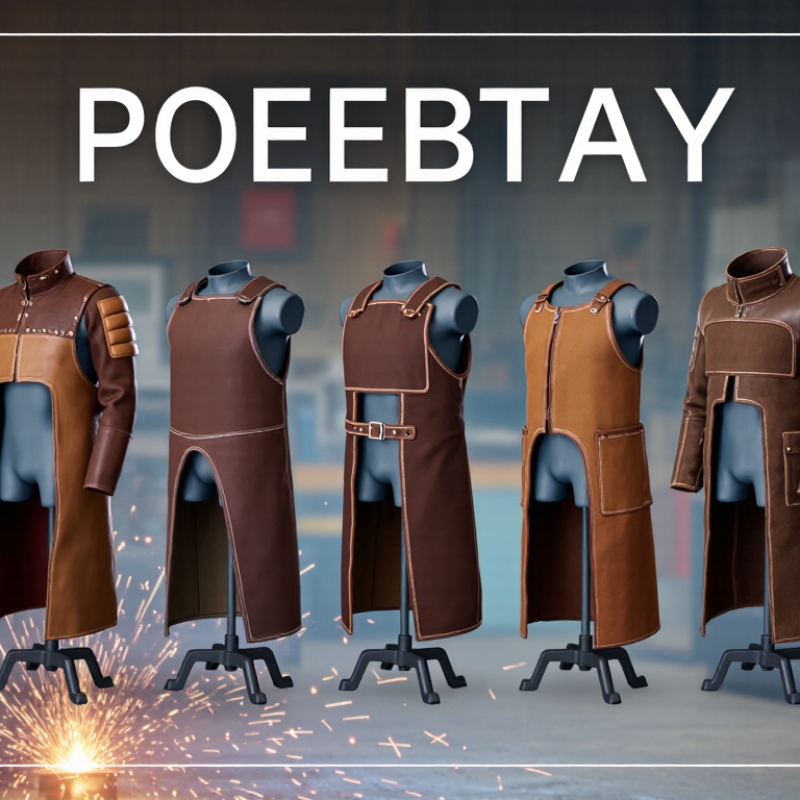
Consider seven designs: a split-cowhide shoulder cape for general work; a cape with sleeves for added arm coverage; an extended-bib style for chest protection; a high-collar cut for neck coverage; a lighter leather option for less restrictive movement; reinforced seams for frequent use; and adjustable closures for a closer fit. Check the leather coverage, stitching, and openings before buying. Fit matters. A cape that shifts while reaching can leave gaps, while an overly tight one may restrict movement.
Inspect the garment for cracked leather, loose seams, and worn closures, especially around the shoulders and cuffs. Keep the cape dry and away from sharp edges when storing it. No cape is magic. Leather can still be damaged, and coverage varies by design; match it to the task and follow workplace PPE procedures. I would not treat “heavy-duty” wording as proof of protection without clear material and construction details.
7 Best Welding Leather Capes for Welders in 2026? — Seven Welding Leather Capes to Consider in 2026
These are seven common cape design options, not ranked or named products. Actual materials, coverage, and features vary by manufacturer; check the product specifications and workplace requirements before buying.
| Option | Typical construction | Coverage focus | May suit | What to check |
| Standard leather cape with sleeves | Leather shoulder cape joined to long sleeves; often made from split cowhide. | Shoulders, upper torso, and arms. | General welding tasks where a separate leather upper-body layer is preferred. | Measure sleeve length and shoulder fit; check seams, closures, and cuff compatibility with gloves. |
| Extended-chest cape | Cape pattern with a longer front panel than a basic shoulder style. | Additional coverage across the upper chest and front torso. | Work positions where sparks or spatter commonly reach the front of the upper body. | Confirm the front panel does not restrict bending or interfere with tools and other protective clothing. |
| High-collar cape | Leather cape with a raised collar or neck flap. | Neck area, in addition to the shoulders and upper body. | Tasks where neck exposure is a concern and the design fits comfortably with other PPE. | Check collar height, closure, comfort, and compatibility with the helmet, hood, and respirator in use. |
| Adjustable-closure cape | Shoulder cape using adjustable straps, buckles, or another fastening arrangement. | Upper torso, with fit adjusted to the wearer. | Shared work areas or wearers who need a more adjustable fit over work clothing. | Inspect fasteners for secure attachment and ensure adjustment points do not create snagging hazards. |
| Elastic-cuff sleeve cape | Leather cape and sleeves with elasticated or otherwise close-fitting wrist openings. | Arms and the transition between sleeves and gloves. | Welders seeking sleeves that stay in position during repeated arm movement. | Check wrist fit over or under the chosen gloves and ensure the cuffs are in sound condition. |
| Detachable-sleeve cape | Cape body with sleeves designed to be attached or removed. | Shoulders and upper torso; arm coverage depends on the configuration used. | Work situations where removable sleeves are useful for changing coverage needs. | Verify attachment points are secure and use the sleeves whenever the task requires arm protection. |
| Extended-back cape | Cape pattern with a longer rear panel than a standard shoulder cape. | Shoulders and more of the upper back. | Positions where the welder's back may be exposed to sparks or spatter. | Check the panel length while seated, leaning, and reaching; avoid restricting movement or snagging. |
Comparing Cape Coverage, Materials, and Fit
A welding leather cape should cover the areas most exposed to sparks: the shoulders, upper chest, and arms. Check how far the sleeves reach when your arms are extended, not just when you stand still. Some capes leave the lower back open, which can feel cooler but offers less coverage when bending or reaching overhead. Coverage needs depend on the task and position.
Material affects weight, heat resistance, and comfort. Split cowhide is commonly used because it handles sparks and abrasion, while a heavier hide may feel stiff during long shifts. Look closely at seams, closures, and the collar; gaps can let hot debris reach clothing. No leather garment is indestructible, and worn or scorched areas deserve attention. Small details matter.
Fit should allow a full range of motion over your usual work clothes without pulling at the neck or wrists. Try raising both arms and turning your torso. The cape should stay in place, but not bind. A snug collar can help reduce openings, though too much pressure becomes distracting. I’ve found that sizing charts don’t always capture how a cape sits over layered clothing; checking the fit in person is better when possible.
How to Inspect and Maintain a Welding Cape
A welding cape only protects well when its leather, seams, and closures remain sound. Inspect it before each shift, under bright light. Look for pinholes, deep cracks, scorched patches, and split stitching, especially around the shoulders and collar. Check snaps and ties; a loose closure can expose skin when you lean over a joint. Small defects matter.
After welding, let the cape cool completely before handling or storing it. Brush away dry dust and metal particles with a soft brush, paying attention to folds where grit collects. If it gets damp, hang it in a ventilated place and let it air-dry naturally. Avoid heaters, direct sunlight, and unapproved oils or cleaners, which may stiffen or weaken leather. Follow the care instructions supplied with the garment.
Hang the cape on a broad hanger in a dry, clean area, away from sharp tools and welding spatter. Don’t leave it crumpled in a toolbox; trapped moisture and creases can hide damage. Before the next job, flex the leather gently and listen for brittle cracking. Replace the cape if damage reaches a protective area or repairs cannot restore its coverage. Leather can look usable while its seams are failing. That’s easy to miss.

 24 Hour Service