Best Tips for Choosing the Right UPS Battery Backup?
Choosing the right Ups Battery Backup is crucial for protecting your devices. A dependable UPS system helps prevent data loss and hardware damage during power outages. Selecting the right model is often overwhelming due to the numerous options available. It's essential to consider your specific needs and power requirements.
A quality UPS battery backup not only provides power but also ensures the longevity of your electronics. Unfortunately, many users underestimate the importance of battery life and capacity. Evaluating wattage, runtime, and features like surge protection are vital steps. Users often get sidetracked by flashy designs rather than focusing on core functionalities.
Making an informed choice involves understanding your power usage and backup duration needs. While a high-capacity unit may seem ideal, it may not always be necessary. Reflecting on your habits can lead to better decisions. Ultimately, investing time in researching and consulting experts can help you choose wisely. A well-selected UPS battery backup will safeguard your investments and offer peace of mind in uncertain situations.
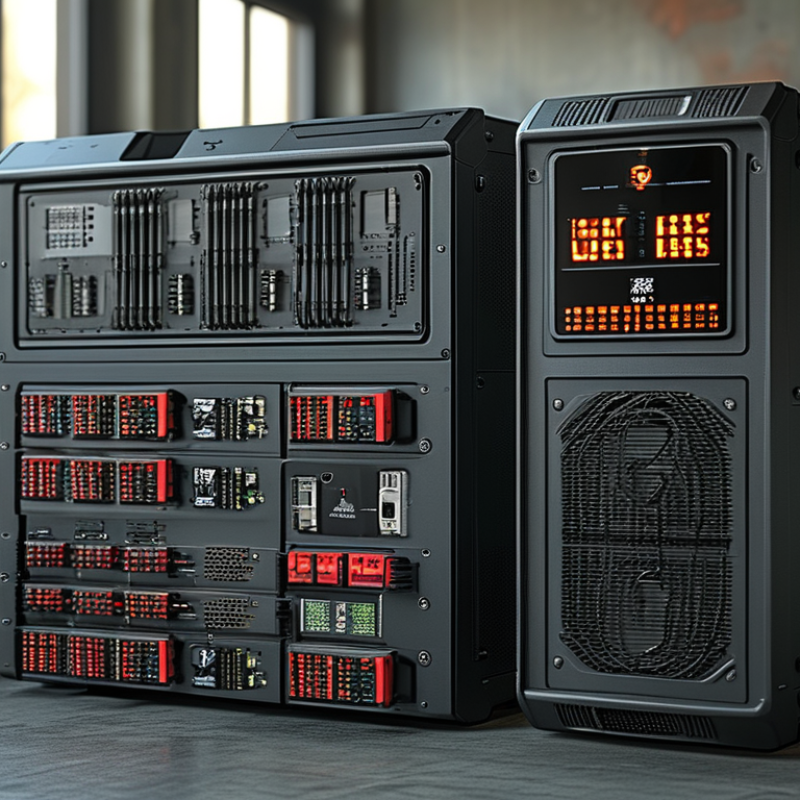
Understanding the Importance of UPS Battery Backup for Electronic Devices
When it comes to protecting electronic devices, understanding the importance of UPS battery backup is crucial. Research by the Electric Power Research Institute indicates that power interruptions can cost businesses millions annually. A UPS (Uninterruptible Power Supply) acts as a buffer, maintaining power during outages and voltage fluctuations. This ensures critical operations remain uninterrupted.
Choosing the right UPS involves considering the wattage requirements of your devices. Calculate the total wattage and add a 20% buffer to ensure you have enough capacity. Look for a UPS that provides at least 10-12 minutes of battery life during power loss. This duration allows for safe shutdowns and data protection.
Another key aspect is the type of battery used. Lead-acid batteries are common but can degrade quickly. Lithium-ion options offer better longevity and efficiency. If your devices require consistent usage or have high energy demands, investing in a robust UPS is non-negotiable. It may feel cumbersome at times, but implementing this system is invaluable for safeguarding your electronic assets.
Key Factors to Consider When Selecting a UPS Battery Backup System
When selecting a UPS battery backup system, evaluate the key factors to ensure optimal performance. Battery capacity is crucial. Consider the load and runtime required during power outages. According to industry reports, a 1500VA UPS typically supports devices consuming up to 900 watts for about 30 minutes. This is essential for servers and networking equipment.
Another factor is the UPS type. Online double conversion systems provide continuous power, ensuring sensitivity to fluctuations. However, they are pricier and may not be necessary for all users. Standby or line-interactive UPS options can be more cost-effective for home or small office use.
Reliability is critical. Look for reviews that confirm performance under stress. Research indicates that 30% of equipment failures during outages are due to insufficient backup systems. Regular maintenance and battery health checks are also vital for long-term usability. Reflect on the actual power needs and environment. Choosing the right UPS isn't solely about the best features; it’s also about understanding your unique requirements.
Types of UPS Systems and Their Suitability for Different Applications
When selecting a UPS (Uninterruptible Power Supply) system, understanding the various types available is crucial. There are three main categories: Offline, Line-Interactive, and Online UPS systems. Each serves different needs and applications.
Offline UPS systems are the most basic type. They are suitable for home use or small offices where power fluctuations are rare but can still cause issues. These systems provide backup power when needed, but they have limited capabilities. If you require a simple solution, this might work for you.
Line-Interactive UPS systems are a step up. They are designed to handle voltage fluctuations more efficiently. These systems are ideal for small to medium businesses that need improved power management. They can keep your equipment safer from surges and spikes.
Online UPS systems offer the highest level of protection. They continuously supply power, eliminating any transfer time. This is essential for mission-critical environments such as data centers or hospitals. However, they tend to be more expensive and need more maintenance.
Here are some tips: Consider your power needs to choose the right wattage. Assess how long you need backup power during an outage. Lastly, think about your space and budget constraints. A thorough evaluation will help you find the appropriate UPS system for your requirements.
Evaluating Battery Runtime and Capacity for Your Specific Needs
When selecting a UPS battery backup, evaluating battery runtime and capacity is crucial. Battery runtime refers to how long your devices can operate during a power outage. According to industry reports, average runtime for standard UPS systems ranges from 5 to 20 minutes, which can vary based on the connected load. This duration may not be sufficient for critical tasks, prompting the need for a deeper assessment of your requirements.
Capacity is another important factor. It is measured in Volt-Amperes (VA). A common rule of thumb suggests that you should aim for at least 1.5 times the total wattage of your equipment. For example, if your devices consume 300W, choose a UPS rated for at least 450VA. Miscalculating capacity can lead to equipment shutdown, resulting in data loss or hardware damage. Many users do not account for future expansions, which can exacerbate runtime issues.
Consider the trade-offs with battery type as well. Lead-acid batteries are affordable but less efficient compared to lithium-ion alternatives. Lithium-ion batteries offer longer life cycles and reduced maintenance, yet they come with a higher initial investment. Balance your budget against operational needs. Reflecting on these choices can lead to better outcomes in power management.
Industry Standards and Ratings for UPS Batteries You Should Know
When selecting a UPS battery backup, understanding industry standards and ratings is crucial. Look for the Battery Backup Time (BBT) rating. This indicates how long the UPS can supply power during an outage. A higher rating often means a longer backup period, but it may come with a higher price. Compare models based on this key factor.
Another important aspect is the VA (volt-ampere) rating. It signifies how much power the UPS can deliver. Ensure the rating aligns with your equipment's requirements. If in doubt, consult a professional before making a decision.
Remember, not all ratings are created equal. Some manufacturers may exaggerate their specifications. Always verify claims by checking independent reviews or testing. This adds reliability to your choice. Pay attention to warranty periods, which reflect the manufacturer's confidence in their product. A longer warranty usually indicates a more durable battery backup system.
Battery Backup Capacity Ratings
This chart illustrates the backup capacity (in minutes) of various UPS rating sizes. The higher the VA rating, the longer the backup time provided for connected devices.

 24 Hour Service