Top 5 Tips for Choosing the Best Portable Air Compressor?
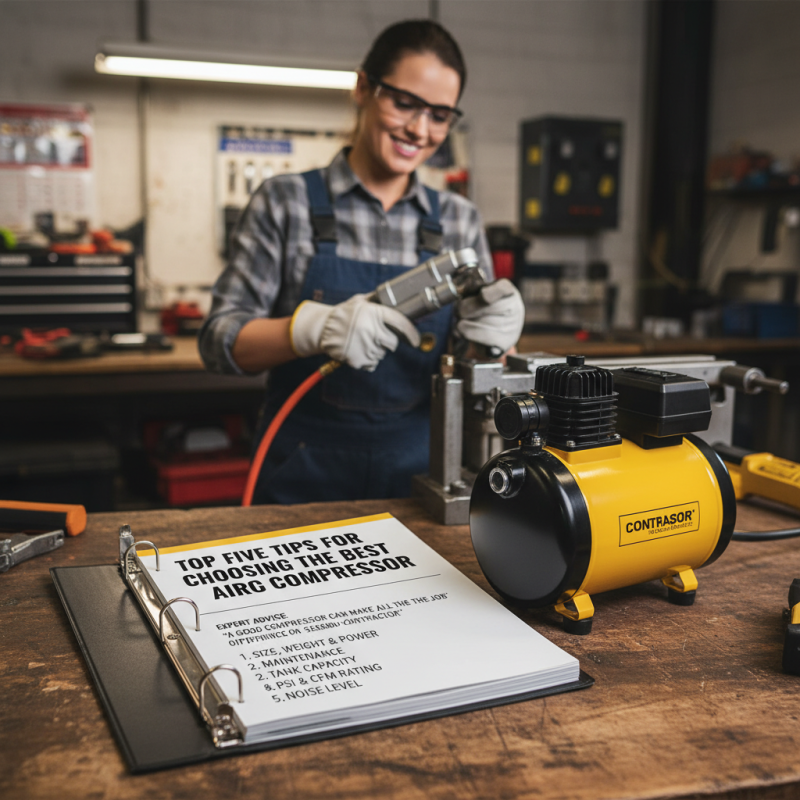
Choosing the right portable air compressor can greatly impact your work efficiency. Expert Sarah Thompson, a seasoned contractor, once said, “A good compressor can make all the difference on the job.” Indeed, with various models available, making a choice can be overwhelming.
When selecting a portable air compressor, consider your specific needs. Size, weight, and power are crucial factors. A compressor that is too heavy may hinder mobility. On the other hand, a lightweight model might lack the necessary power for demanding tasks. This balance is vital for optimal performance.
Many overlook the importance of maintenance in choosing a portable air compressor. Regular checks can ensure longevity and reliability. However, many users neglect this aspect, leading to unexpected failures. Take the time to understand the compressor’s requirements. Investing in the right model now can save time and money later.
Understanding Portable Air Compressor Specifications: PSI, CFM, and Tank Size Metrics
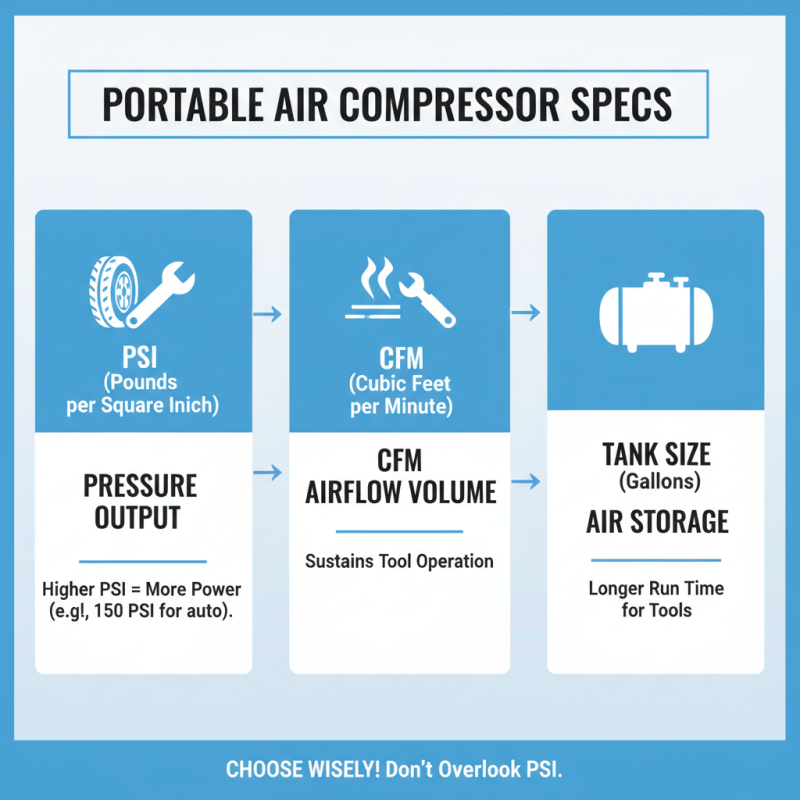
When selecting a portable air compressor, understanding key specifications is vital. PSI, or pounds per square inch, measures the pressure output. A higher PSI means more power to inflate tires and operate tools. For instance, a compressor with 150 PSI can efficiently handle most automotive jobs. Many users overlook this metric, leading to underperformance.
CFM, or cubic feet per minute, indicates the airflow rate. This is crucial for tools, especially those requiring continuous operation, like nail guns. A compressor with a CFM of around 5 is often adequate for small tasks, while more demanding tools may need 10 CFM or more. Reports suggest a significant number of users misjudge their needs here.
Tank size can also influence performance. A larger tank holds more air, reducing the frequency of motor running. Typically, tanks range from 1 to 6 gallons. Smaller tanks may lead users to interrupt tasks, causing frustration. Balancing tank size with CFM and PSI ensures efficiency and effectiveness. Understanding these factors leads to better decision-making when choosing a portable air compressor.
Evaluating Power Sources: Comparing Electric, Battery, and Gas Models with Industry Efficiency Ratings
When selecting a portable air compressor, evaluating power sources is crucial. Electric models provide consistent power and are ideal for light-duty tasks. They are quieter than gas models. However, you should check the power rating for efficiency. A lower wattage may not suffice for heavy applications.
Battery-powered compressors offer great portability. They work well for small tasks and outdoor use. Yet, battery life can be a limitation. Users often find themselves needing to recharge frequently. This can interrupt workflows and lead to frustration.
Gas models deliver high power and mobility, suitable for remote locations. Their efficiency ratings can vary significantly, impacting performance. They can consume more fuel and require regular maintenance. Balancing power, portability, and efficiency is essential in choosing the right type. Every user will have unique needs, so reflecting on intended use is vital. Always consider how these power sources align with your specific requirements.
Power Source Efficiency Ratings for Portable Air Compressors
Assessing Portability Factors: Weight, Dimensions, and Handle Design for Optimal Mobility
When selecting a portable air compressor, assessing portability factors is crucial. Weight affects how often you'll transport it. Lightweight models are easier to carry but may compromise durability. A compact design fits well in tight spaces and makes storage simple.
Consider the handle design too. A well-placed, ergonomic handle ensures comfort during transport. Check if it allows for a secure grip. This matters when moving a heavier unit. Sometimes, handles break or feel flimsy. Choose wisely.
Evaluate the compressor's dimensions. A model that's too bulky will be challenging to maneuver in various environments. Pay attention to your specific needs. Do you need a compressor for home use or on-the-go? Anticipate your requirements before making a decision. Balancing size, weight, and functionality is key for optimal mobility.
Analyzing Durability and Maintenance Needs Based on Compressor Build Materials and Warranty Data
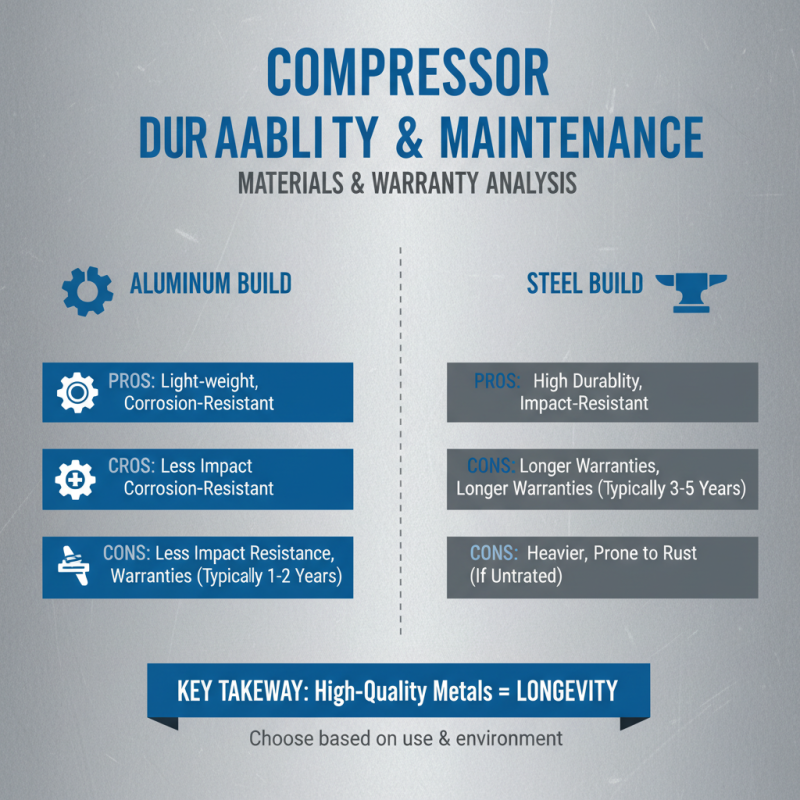
When selecting a portable air compressor, consider the build materials. Compressors made from high-quality metals tend to provide better durability. Aluminum and steel are common choices that offer longevity under various conditions.
Maintenance needs can vary significantly based on these materials. A compressor with plastic components may require more frequent checks. Metal options, while heavier, often withstand wear and tear, leading to lower upkeep. Moreover, warranties can reflect the durability of the product. Longer warranties usually indicate that manufacturers trust their materials and craftsmanship.
One common pitfall is underestimating the importance of maintenance. Regular cleaning and inspection determine the lifespan of any air compressor. Ignoring these needs can lead to unexpected failures. Consider also how the compressor will be used. Frequent, heavy-duty tasks may demand a more robust model. Reflect on your specific requirements before making a decision.
Reviewing Safety Features and Noise Levels According to OSHA and EPA Standards for User Protection
When choosing a portable air compressor, safety and noise levels play crucial roles. According to OSHA, noise levels above 85 dBA can lead to hearing loss. Selecting a compressor that operates below this threshold is essential for user protection. Many portable models produce noise levels ranging from 60 to 80 dBA, striking a balance between functionality and comfort.
In terms of safety features, look for models equipped with thermal protection and automatic shut-off capabilities. These features prevent overheating and reduce risks of accidents during operation. Reports from the EPA indicate that compressors should have built-in filters to minimize harmful emissions. This is particularly important for prolonged use in enclosed spaces. The use of compressors compliant with these standards not only protects your health but also aligns with environmental regulations.
Investing in a model that meets or exceeds these safety and noise standards may be challenging. Surveys indicate that some users overlook these aspects, prioritizing price over safety specifications. Make informed choices to ensure both functionality and protection. Consider how often you’ll use your compressor and in what settings. Your wellbeing should always come first.

 24 Hour Service