2026 Best Reaction Injection Molding Techniques for Buyers?
In the evolving world of manufacturing, Reaction Injection Molding (RIM) is gaining significant attention. This innovative technique combines speed and precision, making it a favored choice among manufacturers. As buyers navigate their options, understanding the best practices of RIM becomes critical. The precision of this method allows for complex designs that meet specific requirements.
Though RIM offers many advantages, it is not without challenges. Buyers must consider factors like material selection and tooling costs. Awareness of these nuances is essential for effective decision-making. A well-informed buyer can leverage RIM's benefits efficiently. However, exploring various techniques is crucial for optimal outcomes.
The goal of this piece is to guide buyers through the landscape of Reaction Injection Molding. By highlighting effective techniques, we aim to empower informed decisions. The manufacturing industry is competitive, and making the right choice can lead to significant success.
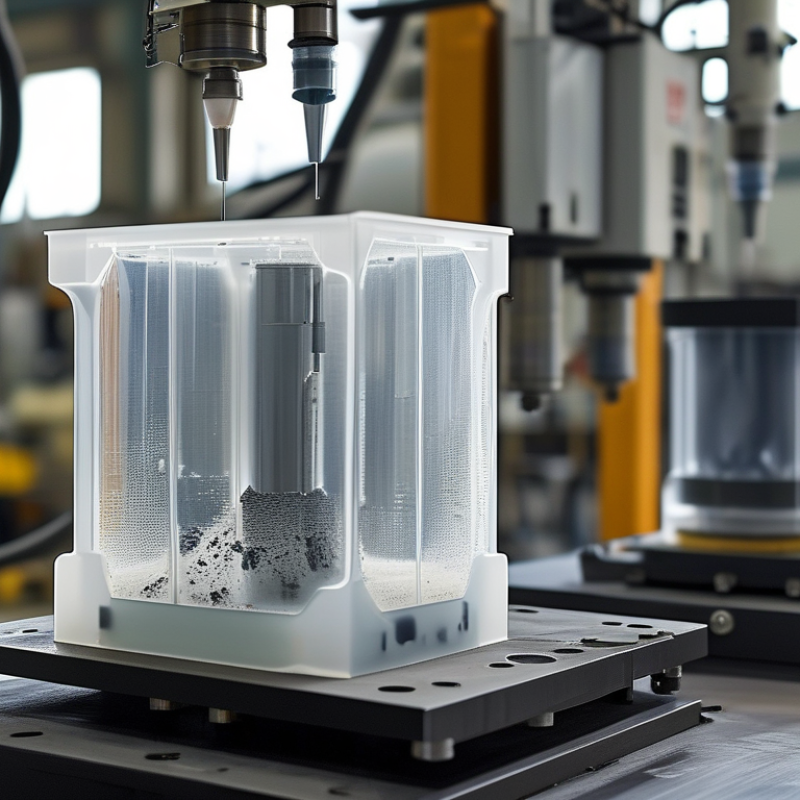
Overview of Reaction Injection Molding (RIM) and Its Applications
Reaction Injection Molding (RIM) is a versatile manufacturing technique. It combines two or more liquid components that react chemically to form a solid product. This process offers significant advantages in producing lightweight and durable parts. Industries such as automotive, aerospace, and medical use RIM for creating complex shapes and sizes efficiently.
The applications of RIM are vast. It is commonly employed to manufacture parts like housings, panels, and insulation materials. RIM’s ability to create large, strong components makes it ideal for industries that value weight reduction without compromising strength. The flexibility of this technique allows for easy integration of additives, resulting in customized properties.
When considering RIM for your projects, be aware of potential challenges. For instance, the curing process can vary based on environmental conditions. Maintaining consistent temperature and humidity levels is crucial. Understanding these factors can improve product quality.
Think about your supply chain too. Sourcing high-quality raw materials can enhance the final product's performance. Communication with suppliers is vital. Open discussions can lead to better material choices and production outcomes.
2026 Best Reaction Injection Molding Techniques for Buyers
| Technique | Materials Used | Applications | Advantages | Limitations |
| Standard RIM | Polyurethane, Polyamide | Automotive parts, Furniture | Cost-effective, Versatile | Limited heat resistance |
| Reaction Injection Molding (RIM) | Polyurethane, Epoxy | Medical devices, Electronics | Good surface finish, Complex geometries | Long cycle times |
| High Pressure RIM | Thermosetting polymers | Industrial components, Packaging | High strength, Durability | Equipment costs |
| Low Pressure RIM | Silicone, Polyurethane | Consumer goods, Toys | Lower costs, Greater flexibility | Lower mechanical properties |
| Foam RIM | Polyurethanes | Insulation products, Lightweight structures | Lightweight, Good insulation | Potential for voids |
Key Factors Influencing RIM Technique Selection for 2026 Buyers
When selecting reaction injection molding (RIM) techniques in 2026, several key factors stand out. Material compatibility is crucial. High-performance polymers can enhance the durability of finished products. Research indicates that over 65% of manufacturers favor polyurethanes for their versatility. However, understanding their properties requires expertise. Each application has specific requirements that directly influence the choice of RIM techniques.
Processing speed is another significant consideration. According to industry reports, cycle times have been reduced by an average of 15% in recent years. This increase allows for faster production and lowers overall costs. Buyers should weigh the benefits of speed against the potential for defects in rapid processes. Efficient techniques can decrease waste and enhance quality, but this doesn't guarantee perfection.
Finally, market demand influences technique selection. The global demand for RIM products is projected to grow at a rate of around 6% annually. Emerging sectors, such as automotive and consumer electronics, place unique demands on molding processes. Buyers need to assess current trends and future projections. Staying informed about industry shifts is vital. It is necessary to remain adaptable, as techniques that work today may not be the best choice tomorrow.
Comparative Analysis of RIM vs. Traditional Injection Molding Methods
Reaction Injection Molding (RIM) is gaining traction in manufacturing. A 2022 industry report indicates a 15% rise in RIM adoption among automotive manufacturers. The method offers flexibility in design and allows for the production of complex shapes. In contrast, traditional injection molding has been the go-to for decades. It excels in high-volume production but lacks the same versatility.
RIM's processes allow for shorter lead times. This can be crucial for industries requiring rapid prototyping. A study published in the Journal of Manufacturing Science revealed that RIM can reduce time-to-market by up to 25%. However, RIM may require specialized knowledge and equipment, making the initial costs higher. Traditional methods benefit from established procedures and lower setup costs, appealing to cost-sensitive projects.
Despite its advantages, RIM has limitations. The process can lead to more material waste compared to traditional molding. Some manufacturers struggle with consistency in product quality. It's essential for buyers to weigh the benefits of RIM's flexibility against these challenges. Choosing between these methods involves understanding specific project needs and long-term goals.
Emerging Trends in RIM Materials and Their Performance Data
Reaction Injection Molding (RIM) is evolving rapidly, especially with new materials entering the market. Emerging trends indicate a strong focus on thermoplastic polyurethanes (TPUs) and bio-based resins. Recent studies show that TPUs offer superior flexibility and durability, making them ideal for various applications. Performance data reveal that products made from these materials have a 30% higher tensile strength compared to traditional options.
Investing in RIM technologies can yield considerable benefits. Eco-friendly materials are gaining traction, with production statistics indicating a 15% increase in market share for these green alternatives. Buyers should consider the long-term performance and sustainability of materials. It's vital to research suppliers' material certifications and compliance with environmental standards.
When selecting RIM materials, prioritize flexibility and strength. This can enhance product performance. Analyze existing data to maximize your investment in advanced techniques. Keep in mind that not all suppliers may offer reliable material information. Perform due diligence to ensure the materials you choose meet high standards.
Emerging Trends in Reaction Injection Molding (RIM) Materials Performance
This chart illustrates the tensile strength performance of various emerging RIM materials. The data indicates that epoxy and silicone exhibit the highest tensile strength, making them favorable options for buyers looking for high-performance materials in Reaction Injection Molding applications.
Cost-Benefit Analysis of Different RIM Techniques for Industry Buyers
When considering Reaction Injection Molding (RIM) techniques, industry buyers must conduct a thorough cost-benefit analysis. Various techniques like polyurethane RIM and thermoset RIM offer different advantages. A report from the Plastics Industry Association indicates that manufacturers could reduce material costs by up to 20% with optimized RIM processes. This reduction is crucial for companies operating on tight margins.
Despite the advantages, potential drawbacks exist. For instance, while RIM techniques can produce complex shapes, the initial setup costs may deter small businesses. According to a recent study, nearly 30% of companies report that high tooling investment is a barrier to adopting RIM. Buyers should weigh short-term costs against long-term savings, as RIM's durability can result in a lower total cost of ownership over time.
Industry experts emphasize that understanding specific project needs is essential. RIM may not be suitable for all applications, particularly those requiring high precision. Buyers often express uncertainty about scaling up production. The variability in material quality and supplier reliability is a concern noted in several surveys. This highlights that while RIM offers numerous benefits, careful planning and consideration of individual project requirements are vital for a successful implementation.

 24 Hour Service