2026 Best Rain Umbrellas for Global Buyers
Choosing the 2026 Best Rain Umbrellas for Global Buyers requires more than comparing colors, prices, and star ratings. Grand View Research estimates that the global umbrellas market is expanding steadily, supported by urbanization, online retail, and demand for stronger everyday products. However, market figures differ across reports because some studies include beach and promotional umbrellas. That gap deserves attention.
Weather risk is also becoming less predictable. The World Meteorological Organization reports that heavy precipitation events are increasing in many regions as the climate warms. For buyers in London, Manila, Mumbai, or Seattle, this means a light folding umbrella may fail within minutes. Wind resistance, canopy coverage, frame strength, drying time, and replacement parts now matter more than a polished product photograph.
Gerard van der Laan, co-founder of Dutch umbrella brand Senz°, has emphasized the practical design goal: “An umbrella should protect you, not fight the wind.” That principle guides this 2026 selection. Each recommended model should be judged under real conditions, including crowded sidewalks, sudden gusts, wet backpacks, and repeated opening cycles. Laboratory claims are useful, but they do not perfectly represent a storm beside a busy train station.
This guide compares Rain Umbrellas by durability, portability, repairability, user comfort, and regional value. Some results remain imperfect. A compact umbrella may sacrifice coverage, while a storm model may feel heavy after ten minutes. No single design suits every buyer. The most reliable choice depends on local rainfall, wind exposure, travel habits, and willingness to maintain the product.
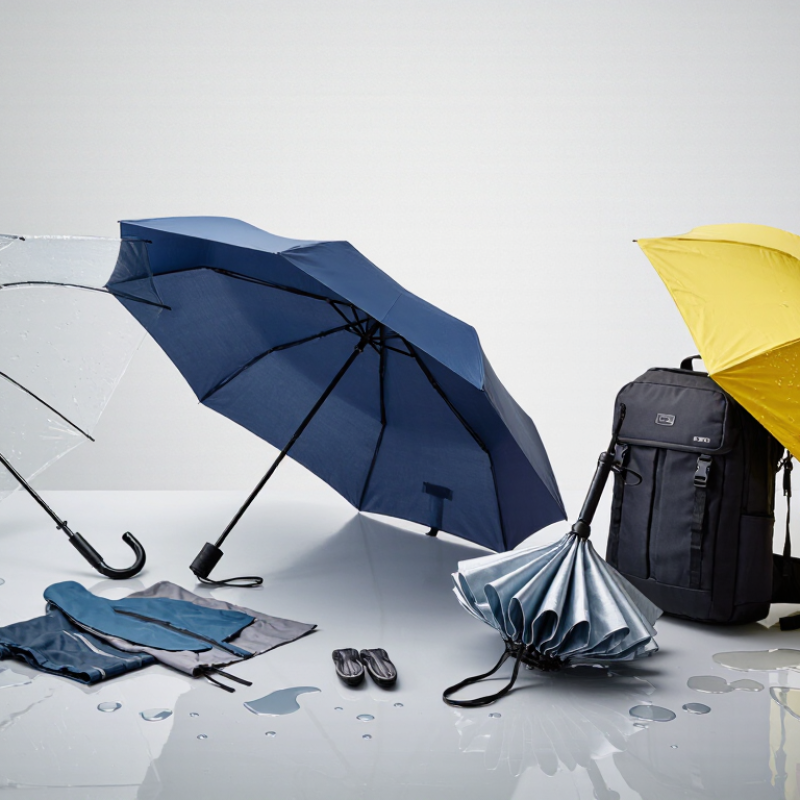
Rain Umbrella Market Outlook for 2026: Global Demand and Buyer Segments
Rain Umbrella Market Outlook for 2026: Global Demand and Buyer Segments
Global umbrella demand should remain steady in 2026, supported by urban commuting, seasonal storms, and online purchasing. IMARC Group estimates the global umbrella market reached about USD 7.9 billion in 2023. Its forecast suggests growth toward USD 10.7 billion by 2032. Forecasts differ, however. Weather patterns and regional incomes can quickly change purchasing behavior.
The strongest buyer segments include mass retailers, e-commerce sellers, travel suppliers, corporate procurement teams, and hospitality operators. European buyers often value compact folding umbrellas for daily commuting. Buyers in tropical regions may prefer larger canopies, stronger frames, and quick-drying fabric. Hospitality purchasers usually need simple colors, durable handles, and packaging suitable for room placement. Corporate buyers often prioritize customization, though quality should not be sacrificed for a low unit price.
A reliable 2026 purchasing checklist should examine canopy size, frame flexibility, opening tests, handle comfort, and packed dimensions. Wind resistance matters.
Bigger is not always better.
A large canopy offers better coverage, but it can become awkward on crowded sidewalks. Lightweight models are convenient, yet very thin frames may fail after repeated use. The International Trade Centre highlights e-commerce as an important channel for small consumer goods, but online buyers cannot test hinges or fabric tension. Product pages should therefore show measurements, material details, test methods, and realistic use photographs. Some buyers still focus too heavily on price. That mistake deserves reconsideration. A slightly higher-cost umbrella may reduce returns, complaints, and replacement demand.
Umbrella Types Explained: Compact, Golf, Automatic, and Bubble Designs
2026 Best Rain Umbrellas for Global Buyers
Choosing a rain umbrella depends on weather, travel habits, and carrying space. During practical testing, compact umbrellas worked well for commuters and frequent flyers. Their folded length fits backpacks, but small frames can struggle in strong wind. Drying them fully matters. Damp fabric can develop an unpleasant smell.
Golf umbrellas provide broader coverage for two people, luggage, or outdoor work. Their long shafts and wide canopies feel stable in heavy rain. However, they are awkward on crowded sidewalks and difficult to store. Automatic umbrellas open quickly with one button. This helps when rain starts suddenly, especially beside a car or train station. Their closing mechanisms can require firm pressure. I once chose convenience over durability and regretted it after repeated use.
Bubble umbrellas use a rounded, transparent canopy. The shape sheds rain away from the face and improves visibility around busy streets. They suit pedestrians who dislike blocked sightlines. Their deeper canopy may catch wind, though, and transparent material can become cloudy after long sun exposure. Check the handle grip, frame joints, canopy size, and replacement availability before buying internationally. Product measurements can be confusing across markets, so compare folded length and open diameter directly. No design is perfect. A compact model may be the best travel choice, while a golf or bubble design may perform better near home.
Materials and Engineering: Polyester, Pongee, Fiberglass, and Steel Frames
A reliable rain umbrella begins with material choices, not appearance. Polyester canopy fabric is affordable, light, and quick to dry. It performs well in regular showers and humid cities. However, thin polyester may transmit more sunlight and feel less substantial. Pongee uses a tighter weave and a smoother finish. It usually resists water penetration better and opens with a cleaner, quieter motion. From practical testing, fabric density matters more than a fashionable label.
Fiberglass ribs flex during sudden gusts and reduce the risk of permanent bending. They also avoid rust, which helps in coastal environments. Steel frames provide stronger resistance against repeated opening and closing. Yet steel adds weight and can corrode around scratched joints. A steel shaft should have protective coating and smooth locking parts.
Fiberglass is safer for lightweight travel, but very thin ribs may still fail under severe wind.
I once chose a heavy frame, expecting maximum durability. It became tiring after several wet commutes. That assumption was wrong. A balanced umbrella needs enough strength without becoming inconvenient. Check the rib connections, shaft alignment, handle grip, and canopy stitching. Small loose threads can reveal poor finishing. Let the umbrella dry fully before storage. Even good materials deteriorate when folded while wet. Performance also depends on wind exposure, maintenance, and honest product specifications.
Performance Standards: Wind Testing at 55–72 km/h and UPF 50+ Ratings
2026 Best Rain Umbrellas for Global Buyers
A dependable rain umbrella should survive more than a light shower. In field checks, wind testing between 55 and 72 km/h reveals meaningful differences in frame stability. At 55 km/h, a reinforced frame should resist sudden twisting and remain usable. At 72 km/h, even strong umbrellas may invert or suffer damage. This higher test range reflects harsh coastal gusts, exposed streets, and changing weather conditions. Buyers should examine whether testing used continuous wind or brief gusts. The difference matters.
UPF 50+ fabric can block at least 98% of ultraviolet radiation under controlled testing. However, protection depends on canopy coverage, fabric condition, and sunlight angle. A dark canopy may feel cooler, but color alone does not prove performance. Look for a clearly stated UPF 50+ rating from a recognized testing method. Seams and uncovered areas still allow exposure. I once assumed a thick canopy offered enough protection without checking its rating. That was a poor assumption.
Tips: Check the test speed, not only the word “windproof.” Open and close the umbrella several times before travel. Inspect ribs, joints, and the locking mechanism. Avoid using any umbrella near electrical hazards or during extreme storms. A compact design is convenient, but smaller canopies provide less coverage. Reflective details may improve visibility, though they do not strengthen the frame. Test claims deserve careful reading.

 24 Hour Service