10 Best Pipeline Filter Suppliers for Global Buyers?
Choosing a reliable Pipeline Filter supplier is not a simple price comparison. It affects flow stability, equipment protection, maintenance frequency, and the quality of transported fluids. A clogged filter can turn a clean pipeline into a costly operational bottleneck. The right supplier should demonstrate tested designs, traceable materials, clear pressure ratings, and practical after-sales support.
Industry research supports this need. Grand View Research identifies filtration as a growing industrial market, driven by stricter process-quality requirements and expanding infrastructure investment. MarketsandMarkets also highlights rising demand for efficient filtration systems across oil and gas, chemicals, water treatment, and manufacturing. However, market reports often group pipeline products with wider industrial filtration categories. That limitation matters. Buyers still need product-level evidence.
As filtration engineer Dr. David B. Pall observed, “The performance of a filter depends on the entire filtration system, not only the filter element.” This principle remains useful when comparing global suppliers. A stainless-steel housing may look impressive, yet weak seals, unclear test methods, or poor replacement availability can undermine it. Small details become expensive in the field.
This guide reviews ten Pipeline Filter suppliers for international buyers. It considers technical capability, manufacturing experience, certifications, customization, delivery reach, and service responsiveness. The ranking is not absolute. Application conditions differ. A supplier suited to a municipal water line may not fit a high-pressure chemical process. Readers should verify current specifications, independent test records, and regional compliance before making a final decision.
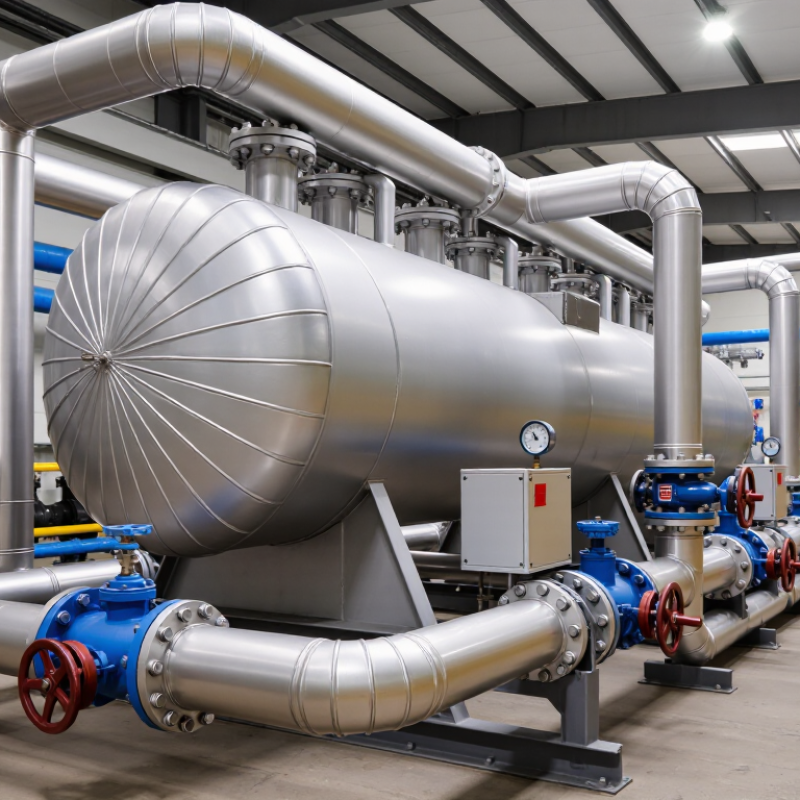
Pipeline Filter Types, Functions, and Key Industry Applications
Pipeline Filter Types, Functions, and Key Industry Applications
Choosing among the 10 best pipeline filter suppliers requires more than comparing prices. Filter design must match fluid behavior, pressure, temperature, and maintenance access.
Basket filters handle larger particles in water and process lines. Y-strainers suit compact installations with moderate debris.
Duplex filters support continuous operation because one chamber can remain active during cleaning. Cartridge filters provide finer protection for sensitive equipment.
Coalescing filters remove small liquid droplets from gas streams. Every type has a limit.
In field inspections, I have seen pumps damaged by filters selected only for connection size. That mistake is expensive. Pipeline filters protect valves, meters, compressors, heat exchangers, and production equipment.
Water treatment often needs sediment control, while chemical processing demands compatible materials and reliable seals. Food and beverage systems require hygienic construction and simple verification. Gas pipelines may require efficient liquid and particle separation.
Supplier documentation should show test methods, pressure ratings, replacement intervals, and traceable material information.
Tips:
Ask suppliers for a real flow-rate calculation, not a general brochure. Check pressure-drop data at your operating conditions. Confirm cleaning procedures before installation.
Leave enough space for safe element removal. I also recommend reviewing failure records with the supplier.
The first selection is rarely perfect. Reconsider it after pilot testing, inspection feedback, and actual operating data.
Criteria for Evaluating Global Pipeline Filter Suppliers
Global buyers should evaluate pipeline filter suppliers through evidence, not polished catalogues. Demand is rising. The IEA’s World Energy Investment 2024 report expects global energy investment to exceed 3 trillion dollars in 2024. Clean energy receives about 2 trillion dollars. This expansion increases demand for reliable filtration across water, energy, and process infrastructure.
Start with technical proof. Ask for material certificates, pressure-drop curves, micron ratings, and batch traceability. ISO 16889 testing can verify filter performance through beta ratios. ISO 2942 supports element integrity testing. Suppliers should explain results in practical terms, such as expected service hours and contaminant capacity. A filter that looks efficient on paper may restrict flow too quickly. That detail matters.
Global logistics also deserves close review. UNCTAD’s Review of Maritime Transport 2023 reports that over 80% of world merchandise trade by volume moves by sea. Therefore, buyers should inspect export packaging, moisture protection, spare-part availability, and delivery records. Check production capacity during peak demand. Request references from comparable operating environments. Lifecycle cost matters more than purchase price, including cleaning, replacement labor, downtime, and disposal. A weakness in many evaluations is overtrusting certificates. Independent inspection, clear warranty terms, and responsive engineering support provide stronger evidence. No supplier is perfect. The best choice is the one that admits limitations and documents corrective action.
Regional Standards, Certifications, and Export Capabilities
Choosing among the 10 best pipeline filter suppliers requires more than comparing price or catalog size. Regional compliance can determine whether equipment clears customs and passes site inspection.
For European projects, buyers should verify CE marking and conformity with the Pressure Equipment Directive when applicable. North American installations may require ASME design controls, pressure testing, and documented material traceability. API-related specifications can matter in oil and gas applications, but certification scope must match the exact product. ISO 9001 supports quality management, yet it does not guarantee filter performance. That distinction is often missed.
Export capability deserves equal attention. UNCTAD reports that more than 80% of global merchandise trade by volume moves by sea, so packaging, corrosion protection, and container planning are practical concerns. The World Bank’s Logistics Performance Index also evaluates customs, infrastructure, and shipment reliability across 139 economies. Buyers should request recent export records, HS codes, test reports, certificates of origin, and bilingual installation documents. A supplier that explains regional differences clearly is usually easier to audit.
Still, paperwork can be imperfect. Certificates may be valid but outdated, incomplete, or issued for another factory. I would sample serial numbers, inspect welding records, and compare test pressures with the purchase specification. That extra checking feels slow. It can prevent a costly rejection at the destination.
Profiles of the 10 Best Pipeline Filter Suppliers
The ten best pipeline filter suppliers serve different operating realities, not just different budgets. A municipal water project may need automatic backwashing, while a refinery may require duplex strainers and rapid changeover. The 2024 Industrial Filtration Market report estimates global demand will grow at roughly 6% annually through 2029. That growth reflects stricter water reuse targets, aging networks, and higher process reliability expectations.
The ten supplier profiles should be read through measurable evidence. Profile one should show large-diameter fabricated housings. Profile two should demonstrate high-flow automatic filters. Profile three should specialize in duplex designs. Profile four should provide temporary filtration units. Profile five should focus on cartridge systems.
Profile six should supply bag-filter assemblies. Profile seven should support corrosive fluids. Profile eight should offer compact units for limited spaces. Profile nine should provide replacement elements. Profile ten should handle engineering, testing, and commissioning together.
Look for pressure-drop curves, filtration ratings, material certificates, and documented field service. ISO 16889 testing helps compare filter-element performance under controlled conditions. The American Society of Mechanical Engineers also emphasizes traceable design and inspection practices for pressure equipment.
Yet published efficiency numbers can mislead when flow rates differ. Ask for test conditions.
A supplier may look excellent on paper but lack local spares. That weakness matters. My own review would score lifecycle cost, response time, and cleaning frequency beside purchase price. I would also challenge optimistic service-life claims. Real pipelines carry grit, wax, biological growth, or unexpected debris. The ideal profile includes honest limitations, not only impressive capacity figures.
How Global Buyers Can Compare Quotes and Select a Supplier
10 Best Pipeline Filter Suppliers for Global Buyers
Global buyers should compare pipeline filter quotes beyond the unit price. A cheaper offer may exclude testing, spare elements, or export packaging. Request the same specification from every supplier. Include flow rate, operating pressure, temperature, filtration accuracy, connection size, and filter media. Keep it measurable.
I have reviewed industrial filtration quotations where one line changed the entire cost. A quote listed stainless steel housing but omitted the internal support screen. Another included delivery but excluded customs clearance. Ask for a detailed breakdown of materials, inspection fees, tooling, freight, and payment terms. Confirm whether the quoted price covers sample testing and production documentation.
Technical evidence matters more than polished brochures. Check material certificates, pressure-test records, batch traceability, and documented quality procedures. Request a drawing with dimensions and maintenance clearances. A factory audit can verify equipment, inspection tools, and actual production capacity. Video calls help, but they cannot replace physical evidence. Do not ignore response quality. Slow answers may create delays after purchase, although this is not always proof of poor performance. Compare warranty limits, replacement-element availability, lead times, and communication responsibilities in writing. I would also test a sample under realistic conditions, because laboratory data may not match dirty water, temperature changes, or irregular flow.
How Global Buyers Compare Pipeline Filter Suppliers
Global buyers commonly compare suppliers using compliance, filtration performance, total cost of ownership, delivery reliability, customization capability, and after-sales support. The weighting below represents a practical procurement evaluation framework and does not rank any specific company or brand.
Interpretation: Compliance and filtration performance receive the highest weighting because pipeline filters must meet applicable technical and safety requirements while delivering reliable contaminant removal. Total cost includes purchase, operation, maintenance, and replacement expenses.

 24 Hour Service