24 Hour ServiceChoosing the right gas compressor in 2026 is rarely a simple search for the highest horsepower. Global buyers must compare flow rate, discharge pressure, gas composition, energy use, noise, maintenance access, and local service support. A compressor designed for a dry pipeline may perform poorly in a humid processing plant. Small specification gaps can become expensive failures.
Rainer Kurz, a respected turbomachinery specialist, has said, “Efficiency is a system result, not simply a compressor specification.” That principle guides this review of the 10 best gas compressors for global buyers in 2026. The selection considers reciprocating, rotary screw, centrifugal, and oil-free designs. It also examines real operating details, including cold starts, vibration levels, seal replacement, control systems, and spare-part availability.
No ranking can fit every project. That is the uncomfortable part. A lower-cost unit may deliver excellent value in a stable facility, yet disappoint where gas quality changes daily. A premium machine may reduce energy consumption, but its service network could be weak in a remote region. Buyers should verify performance data with site conditions and independent engineering advice. Manufacturer claims deserve careful questioning. This guide offers a practical starting point, not a final purchase decision.
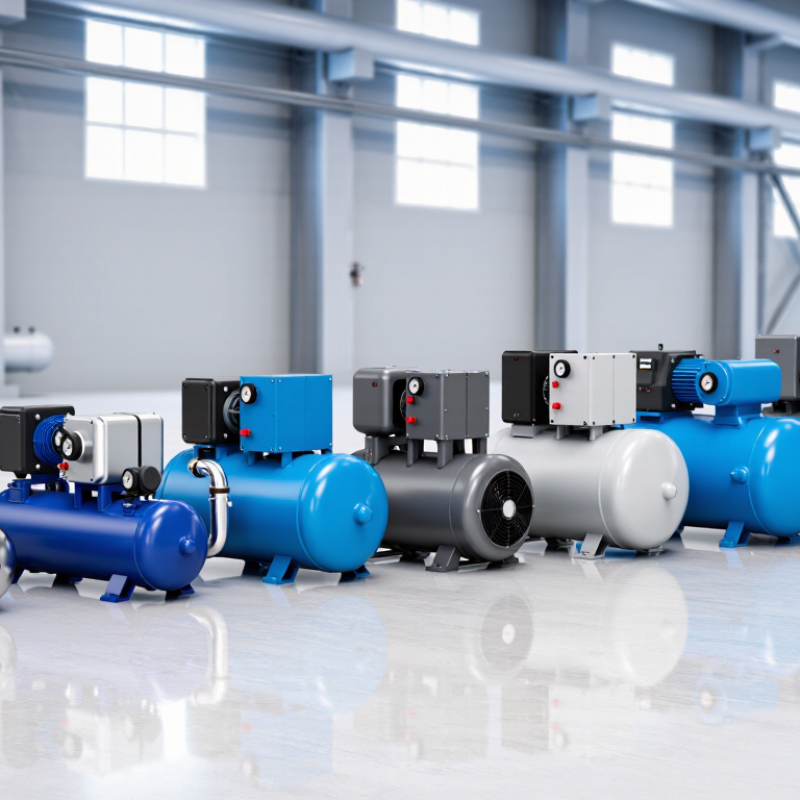
A gas compressor raises gas pressure by reducing its volume and adding mechanical energy. A motor or turbine turns an impeller, piston, or screw rotor. The gas enters at low pressure, becomes denser, and exits through a discharge line. That sounds simple. It is not always simple.
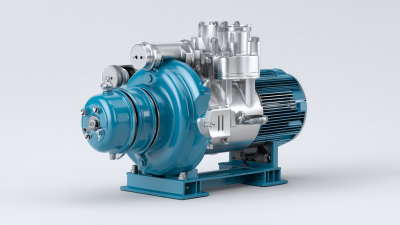
In centrifugal compressors, rotating impellers accelerate the gas, while diffusers convert velocity into pressure. Reciprocating compressors use pistons inside cylinders, making them suitable for high-pressure, lower-flow duties. Screw compressors trap gas between rotating profiles and compress it continuously. Intercoolers remove heat between stages, because compression can quickly produce dangerous temperatures. Valves, seals, filters, and shutdown systems protect the machine and operators.
The International Energy Agency’s Gas 2024 report forecasts continued global gas-demand growth through 2025, increasing pressure on transport and processing infrastructure. The Global CCS Institute’s 2024 status report identified 50 commercial carbon-capture facilities operating worldwide, where compression supports transport and storage. These figures show why buyers must assess the complete duty, not only advertised power. Flow rate, suction pressure, discharge pressure, gas composition, temperature, and altitude can change equipment selection. Field experience also matters. A compressor that performs well in a clean test gas may struggle with liquids, dust, or changing methane content. The neat diagram lies a little. Real systems need margins, monitoring, and honest maintenance planning.
Choosing a gas compressor starts with the process, not the catalogue. Centrifugal compressors suit large, steady gas flows in pipelines, LNG facilities, and air separation plants. Reciprocating compressors handle higher pressures and changing loads, making them useful for gas storage, CNG filling, and hydrogen service. Screw compressors provide compact, continuous operation for medium-flow applications. They often fit biogas upgrading and process-gas systems. U.S. Department of Energy guidance indicates compressed air can consume about 10% of industrial electricity. Efficiency deserves attention.
Gas composition changes the decision. Wet gas, hydrogen, oxygen, and corrosive compounds require different seals, materials, and cooling methods. The IEA’s Global Methane Tracker 2025 estimates fossil-fuel operations released approximately 120 million tonnes of methane in 2024. Poor sealing is not a minor maintenance issue. It can become an emissions and safety concern. Field engineers should check surge control, oil carryover, noise, vibration, and part-load efficiency. A high headline efficiency may disappear under real operating conditions. This choice is rarely perfect.
Tips: Match compressor capacity to the actual load profile, not the maximum theoretical demand. Request test data at operating pressure, temperature, and gas composition. Review maintenance access before purchase. A cheap unit can become expensive when filters, seals, and downtime accumulate. Validate the specification with an independent engineer when the gas is hazardous or highly variable.
| Gas Compressor Type | Typical Industrial Applications | Common Gas-Service Examples | Typical Pressure Range | Typical Flow Range | Compression Ratio per Stage | Key Advantages | Main Limitations | Best Choice When |
|---|---|---|---|---|---|---|---|---|
| Reciprocating Compressor | High-pressure gas storage, cylinder filling, natural-gas boosting, hydrogen service, and process gas compression | Hydrogen, natural gas, nitrogen, carbon dioxide, helium, and industrial process gases | 10–1,000+ bar discharge | 10–10,000 Nm³/h | 3:1–5:1 | Very high discharge pressure; strong part-load capability; suitable for relatively low and variable flow rates | Higher vibration and pulsation; more wearing parts; requires regular maintenance and foundation design | High pressure is more important than compactness or low vibration |
| Centrifugal Compressor | Large-scale gas transmission, LNG and air-separation plants, refineries, petrochemical facilities, and pipeline stations | Natural gas, nitrogen, hydrogen-rich gas, process gas, and refrigerant gases | 2–100 bar discharge | 10,000–1,000,000+ Nm³/h | 1.2:1–3:1 | High continuous flow; compact footprint for large capacity; low mechanical vibration; suitable for continuous operation | Efficiency can fall near surge or choke conditions; sensitive to gas composition and inlet conditions; less suitable for low flow | Large, steady-volume applications requiring continuous operation |
| Rotary Screw Compressor | Medium-pressure process gas, instrument gas, gas boosting, vapor recovery, and general industrial gas systems | Natural gas, nitrogen, biogas, air, and selected hydrocarbon vapors | 3–25 bar discharge | 100–20,000 Nm³/h | 3:1–15:1 | Smooth and nearly pulsation-free flow; compact package; good turndown; oil-injected versions can offer high efficiency | Oil carryover may require treatment; clearances and seals are sensitive to contamination; maximum pressure is lower than reciprocating designs | Reliable medium-flow compression with low pulsation and a compact skid |
| Oil-Free Screw Compressor | Food and beverage gas systems, pharmaceutical production, electronics manufacturing, chemical processing, and clean gas service | Nitrogen, hydrogen, oxygen-compatible process gas, carbon dioxide, and clean instrument gas | 3–15 bar discharge | 100–15,000 Nm³/h | 2:1–8:1 | No oil injection into the compression chamber; clean gas delivery; continuous-duty capability | Higher purchase cost; rotor clearances require careful control; performance can be affected by moisture and contamination | Gas purity is critical and oil contamination cannot be accepted |
| Rotary Vane Compressor | Small industrial gas boosters, laboratory systems, vacuum-pressure packages, and intermittent process duties | Air, nitrogen, carbon dioxide, and non-corrosive process gases | 2–10 bar discharge | 10–2,000 Nm³/h | 2:1–6:1 | Simple construction; relatively low initial cost; compact design; stable flow at small capacities | Vane wear can increase with contaminated gas; oil management may be required; unsuitable for very high pressure or large flow | Small-to-medium capacity systems where simple, economical compression is required |
| Scroll Compressor | Small clean-gas packages, laboratory equipment, medical gas systems, and specialty process applications | Air, nitrogen, carbon dioxide, and selected refrigerant or specialty gases | 2–10 bar discharge | 1–500 Nm³/h | 2:1–5:1 | Low vibration and noise; few moving parts; oil-free configurations are available; compact package | Limited capacity and pressure range; scroll tips and seals are sensitive to liquid or solid contamination | Quiet, clean, low-capacity gas compression |
| Diaphragm Compressor | High-purity gas compression, hydrogen refueling, specialty gas filling, semiconductor production, and toxic-gas handling | Hydrogen, oxygen, chlorine, fluorine-containing gases, helium, and high-purity process gases | 10–1,000+ bar discharge | 1–2,000 Nm³/h | 3:1–10:1 | Gas remains isolated from lubricants; very high purity; suitable for toxic, corrosive, or reactive gases | Lower flow capacity; diaphragm fatigue requires monitoring; higher cost per unit of flow | Gas purity, leak prevention, and contamination control are more important than capacity |
| Lobe Blower | Low-pressure gas transfer, wastewater aeration, pneumatic conveying, biogas handling, and combustion-air supply | Air, biogas, landfill gas, and low-pressure process gas | 0.1–2.0 bar gauge | 100–50,000 Nm³/h | 1.1:1–2.0:1 | Simple and robust; handles large volumes; easy maintenance; suitable for continuous low-pressure duty | High noise and pulsation; limited pressure ratio; efficiency declines as pressure differential increases | Moving large gas volumes at low pressure rather than producing high discharge pressure |
| Liquid-Ring Compressor | Wet gas service, vapor recovery, vacuum and pressure systems, chemical processing, and gas extraction | Wet chlorine, solvent vapors, biogas, corrosive gases, and condensable process gases | 0.5–8 bar discharge | 100–30,000 Nm³/h | 2:1–5:1 | Tolerates wet gas and liquid carryover; low risk of internal contact damage; can handle corrosive gases with suitable materials | Lower efficiency; requires seal liquid management; discharge gas may become saturated with the operating liquid | Gas contains moisture, condensate, or liquid droplets that could damage other compressor types |
| Axial Compressor | Very large air and gas flow in gas turbines, power generation, and integrated process facilities | Combustion air, atmospheric air, and selected low-molecular-weight process gases | 5–50 bar discharge | 100,000–2,000,000+ Nm³/h | 1.1:1–1.3:1 per stage | Extremely high flow capacity; efficient for large, steady-flow installations; suitable for multistage compression | Complex design and controls; narrow stable operating range; high sensitivity to fouling, inlet distortion, and foreign objects | The application requires exceptionally high flow and a stable operating point |
Note: The figures are typical engineering ranges for preliminary equipment selection. Actual performance depends on gas molecular weight, inlet temperature and pressure, discharge pressure, humidity, composition, required purity, speed, cooling method, and applicable safety standards.
Gas compressor performance starts with the actual gas, not a brochure rating. Record gas composition, inlet pressure, discharge pressure, temperature, flow range, and operating altitude. A compressor must remain stable during low-demand periods, not only at full load. Review its performance map for surge, choke, vibration, and temperature limits. Small changes in moisture or heavier hydrocarbons can alter results significantly. Site measurements often challenge early assumptions.
Safety deserves equal attention. Check pressure relief devices, emergency shutdown logic, gas detection, ventilation, and safe access for maintenance. Confirm that seals, valves, piping, and electrical components suit the gas and operating environment. Independent inspection can reveal gaps that factory documents miss. No shortcut. Applicable pressure, electrical, and workplace requirements should guide procurement and installation. Operators also need clear procedures, practical drills, and readable alarm settings.
Efficiency should be measured as specific energy consumption across the expected duty cycle. Compare motor efficiency, variable-speed control, cooling demand, leakage rates, and part-load behavior. A lower purchase price may create higher costs through frequent maintenance or unstable operation. Ask for verified test data, calibration records, and references from similar gas services. During commissioning, compare predicted power with measured power at several loads. Results may disappoint. That is useful evidence, not failure. Recheck the model, sensor accuracy, and operating assumptions before approving long-term performance.
The best gas compressors for global buyers combine efficiency, reliability, and adaptability.
Site conditions matter more than catalog rankings. A compressor operating beside a dusty road needs stronger filtration than one in a clean indoor plant. Variable-speed control can reduce wasted power during changing demand. The U.S. Department of Energy reports that compressed-air systems can consume 10% or more of industrial electricity. Gas compression loads vary, but the warning remains relevant. Energy performance deserves careful measurement.
Pressure range, flow stability, cooling design, and maintenance access define practical value. Buyers should check API 618 or API 11P compliance when the application requires reciprocating equipment. ISO 13631 can guide gas-engine-driven compressor selection. Leak detection also matters. The International Energy Agency’s Global Methane Tracker 2024 identifies equipment leaks as a major methane-management concern across fossil-fuel operations. Low-emission seals and dependable shutdown systems are therefore important. Not every “high-efficiency” claim survives field testing. That deserves skepticism.
Tips: Request performance curves at your actual gas composition, inlet temperature, altitude, and discharge pressure. Ask for independently verified noise, vibration, and emissions data. Compare total cost over ten years, not only purchase price. Keep spare parts locally available. A cheaper unit may become expensive when one seal requires weeks to replace. Also, question optimistic service intervals. Real dust, humidity, and operator habits can shorten them.
Comparing gas compressor suppliers requires more than checking the quoted price. Ask for verified performance curves, material certificates, factory test records, and clear operating limits. A reliable supplier should explain capacity, discharge pressure, gas composition, cooling needs, and expected efficiency. These details expose weak assumptions early. They also help engineers compare similar equipment fairly.
Check applicable standards for the compressor type and project location. Depending on the design, buyers may review API, ISO, IEC, pressure equipment, electrical, and environmental requirements. Do not accept a certificate without confirming its scope. A document can look impressive and still miss the required test. Request inspection plans, vibration limits, leak testing methods, and independent witness options.
Price comparisons should include installation, transport, commissioning, spare parts, energy use, and planned maintenance. A cheaper machine may consume more power for years. That mistake is expensive. Ask suppliers to separate capital costs from lifetime operating costs. After-sales support matters just as much. Confirm response times, local technicians, training, remote diagnostics, warranty exclusions, and critical spare availability. In practice, service promises can be vague, so place them in the contract. I would also request references from installations using similar gas, pressure, and climate conditions. One weakness remains: projected savings are not guaranteed, especially when operating data is incomplete. Review the assumptions before trusting the spreadsheet.