China Best Aluminum Profile for Pergola Manufacturers?
Choosing the right Aluminum Profile For Pergola requires more than comparing factory prices. A reliable profile must balance strength, weight, corrosion resistance, finish quality, and installation efficiency. It should support roof panels securely without creating bulky visual lines.
Michael Chen, a senior aluminum extrusion engineer with over 15 years of outdoor-structure experience, explains: “A good pergola profile should protect the structure before it impresses the eye.”
That principle matters in China’s competitive manufacturing market. Leading suppliers usually offer 6063-T5 or 6063-T6 aluminum, accurate extrusion tolerances, powder coating, anodizing, and custom cutting services. However, material labels alone do not prove performance. Buyers should request alloy certificates, coating reports, load calculations, and sample sections.
Look closely at the details.
A poorly designed drainage channel may leave water around corner joints. Thin walls may reduce cost, yet they can flex under wind pressure. A glossy finish may look attractive in a showroom but fade faster under intense sunlight. These problems are easy to overlook during early purchasing discussions.
The best manufacturer should also understand your local climate, roof design, connection method, and assembly process. Factory experience matters because a beautiful drawing can still become a difficult installation.
This guide compares China-based manufacturers through practical criteria, including extrusion capability, surface treatment, tooling support, quality control, packaging, and communication. It will not pretend that one supplier fits every project. Even experienced buyers sometimes prioritize price too early.
That is worth reconsidering.
A dependable Aluminum Profile For Pergola supplier should make technical information clear, measurable, and easy to verify before production begins.
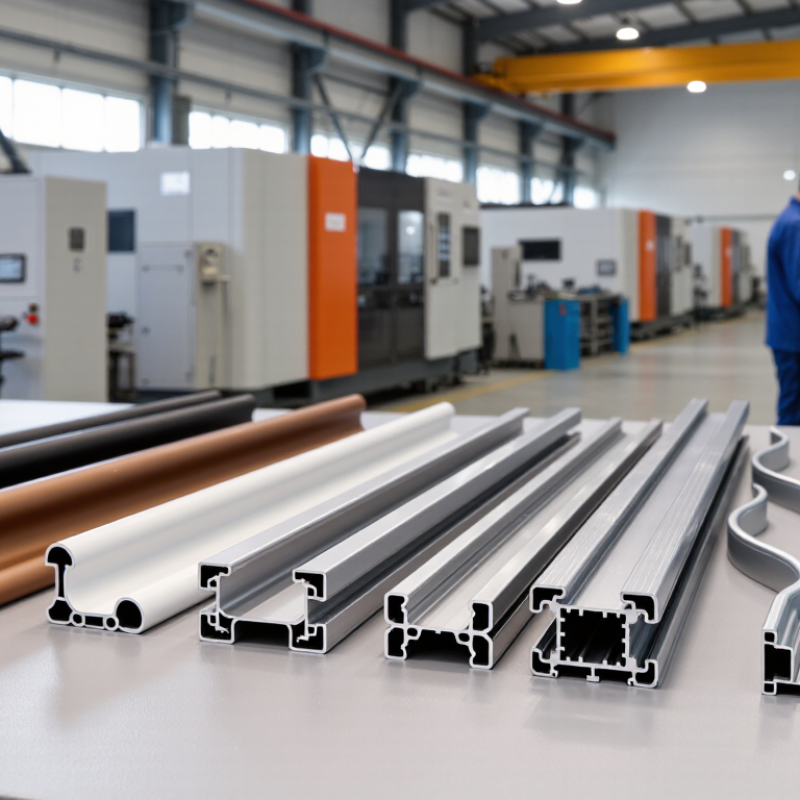
What Makes an Aluminum Profile Manufacturer Ideal for Pergola Systems
What Makes an Aluminum Profile Manufacturer Ideal for Pergola Systems
An ideal aluminum profile manufacturer understands more than extrusion. It must translate wind loads, drainage, shade requirements, and installation limits into reliable profiles. Field inspections often reveal small failures: uneven joints, blocked channels, or powder coating damaged during cutting. These details matter outdoors.
The U.S. Geological Survey reported approximately 70 million metric tons of global primary aluminum production in 2023. This scale shows aluminum’s importance, but volume does not prove quality.
A dependable manufacturer should control alloy composition, wall thickness, extrusion tolerances, and surface treatment. For pergolas, 6063 aluminum is commonly selected because it offers good extrudability and finish quality. However, design engineers should verify strength calculations before choosing it. Stronger alloys may be needed for larger spans.
The manufacturer should provide batch traceability, dimensional inspection, coating tests, and technical drawings. Testing against ISO 9227 can help evaluate corrosion resistance.
Powder coating should also match the project’s exposure and maintenance conditions. The International Aluminium Institute identifies construction as a major aluminum-use sector, reinforcing the need for durable, lower-maintenance components.
Tips:
Ask for sample corners, drainage details, coating certificates, and load data. Check whether the factory tests complete assemblies, not only loose profiles. A perfect sample can hide inconsistent production. Also, over-specifying material may increase cost and embodied carbon without improving safety. The best supplier explains that compromise clearly.
Key Aluminum Grades and Profiles Used in Pergola Construction
China Best Aluminum Profile for Pergola Manufacturers?
Key Aluminum Grades and Profiles Used in Pergola Construction
Choosing the best aluminum profile depends on span, wind exposure, drainage, and installation conditions. I would not call one alloy universally best. For many pergolas, 6063-T5 offers smooth extrusion surfaces and reliable corrosion resistance. It suits posts, beams, rafters, louvers, and decorative covers. 6063-T6 provides higher strength, but it may cost more and require stricter processing control. For heavily loaded connectors or longer spans, 6061-T6 can be useful. However, its extrusion complexity should be checked carefully. Some projects also use 6005A-T6 for a practical balance between strength and formability.
Profile design matters as much as alloy selection. Hollow posts with internal ribs can reduce deflection without excessive weight. Beams need sufficient wall thickness around bolt holes. Sloped rafters and integrated gutters help guide rainwater away from seating areas. A small design mistake can cause visible sagging. That lesson is easy to overlook during early quotations. Coastal projects also need suitable surface treatment, sealed joints, and compatible fasteners.
Tips: Ask for alloy certificates, temper details, profile drawings, and dimensional tolerances. Confirm the actual span and local wind conditions before production. Request sample sections, because a polished catalog image cannot reveal weak corners or poor drainage.
China Best Aluminum Profile for Pergola Manufacturers? Key Aluminum Grades and Profiles Used in Pergola Construction
The chart compares typical minimum yield strength and tensile strength values for aluminum grades frequently selected for pergola posts, beams, rafters, louvers, and other extruded components. Actual values vary according to wall thickness, temper, and the applicable material standard.
6063 alloys are widely used for architectural extrusions because they provide good surface finish and profile formability. 6061-T6 and 6005A-T6 offer higher strength for heavily loaded posts, beams, and large-span structural members. Strength selection should always be verified through structural calculations and local building requirements.
How to Evaluate Pergola Profile Quality, Design, and Performance
China Best Aluminum Profile for Pergola Manufacturers?
How to Evaluate Pergola Profile Quality, Design, and Performance
A reliable pergola profile starts with alloy traceability, not surface shine. Ask for mill certificates, temper details, and batch records. For many pergola systems, 6063-T5 aluminum offers useful extrusion quality and corrosion resistance. However, alloy alone cannot prove structural safety. Profile thickness, geometry, fasteners, and span design matter more than catalog claims.
Check the engineering file. It should state wind loads, drainage paths, connection details, and allowable deflection. EN 1999 supports aluminum structural design, while EN 755 defines relevant extrusion requirements. A practical inspection should include straightness, wall thickness, coating adhesion, and corner alignment. Poor corners often reveal weak tooling. Small gaps matter.
International Aluminium Institute data indicates recycled aluminum uses about 5% of the energy required for primary aluminum production. That supports responsible sourcing, but recycled content must remain traceable. Ask whether the supplier controls billet quality and thermal treatment. A thick profile is not automatically better. It can increase weight, cost, and installation strain. I would test a full-size corner before approving production. Laboratory figures help, yet real rain exposes drainage mistakes. Paint can look excellent. I have still seen premature corrosion around unsealed cuts. Evaluate the details manufacturers prefer not to photograph.
Manufacturing Capabilities and Customization Options to Compare
China Best Aluminum Profile for Pergola Manufacturers?
Manufacturing capability matters more than a low quotation. According to Grand View Research, the global aluminum extrusion market was valued at over USD 78 billion in 2023, with continued growth expected through 2030. This expansion reflects demand for lightweight, corrosion-resistant building components. A capable pergola manufacturer should control alloy selection, extrusion, aging, cutting, drilling, CNC machining, and surface finishing in one quality system. That reduces dimensional variation between roof beams, posts, and connecting joints.
Ask about alloy grades, wall thickness, and extrusion press capacity. Common architectural profiles use 6000-series aluminum, but temper selection affects strength and machinability. Powder coating should be tested for adhesion, color consistency, and outdoor durability. The American Architectural Manufacturers Association recommends performance testing for coated aluminum products, including weathering and coating adhesion. Small details matter. A 0.3-millimeter mismatch can complicate assembly on site.
Customization should include profile geometry, drainage channels, concealed fasteners, lighting cavities, and modular connection points. The International Energy Agency reports that buildings account for roughly 30% of global final energy demand, making passive shading increasingly relevant. However, a larger profile is not automatically better. I have seen attractive samples fail because drainage was overlooked or tolerances were too tight. Request production drawings, load calculations, coating certificates, and sample sections before approving mass production. Testing is essential, yet real installation feedback should still influence the next revision.
Certifications, Pricing, and After-Sales Support from Suppliers
China’s best aluminum profile for pergolas should be judged beyond the factory quote. Certification is not decoration. ISO 9001 supports documented quality control, while ISO 14001 addresses environmental management. The ISO Survey 2022 recorded over 1.2 million ISO 9001 certificates worldwide, showing its broad industry acceptance. Buyers should still verify certificate scope, issuing body, and production site. For structural pergolas, request alloy certificates, coating test results, load calculations, and applicable conformity documents.
Pricing depends on more than aluminum weight. Ask suppliers to separate billet cost, extrusion, machining, powder coating, packaging, tooling, and freight. The London Metal Exchange remains a common reference for aluminum pricing, but energy costs and exchange rates can change the final offer quickly. The International Aluminium Institute reports that recycled aluminum needs about 5% of the energy used for primary aluminum. Recycled content may reduce environmental impact, but purity and alloy consistency still require inspection. A low quote can still be wrong.
After-sales support reveals supplier maturity. Confirm response times, replacement-part availability, installation guidance, and warranty exclusions before payment. A useful agreement defines coating warranty years, acceptable color variation, corrosion conditions, and responsibility for damaged cartons. Keep spare louvers, brackets, seals, and drainage parts available. In practice, support promises may sound stronger than the written contract. That deserves reflection. Request video inspections, batch photographs, and a signed corrective-action report when defects occur. A reliable supplier provides traceable records, not only reassurance.

 24 Hour Service