What Are the Benefits of Composite Fireproof Doors for Safety?
Composite Fireproof Doors play a crucial role in enhancing safety in various environments. These doors are designed using advanced materials that provide superior fire resistance compared to traditional wooden or metal doors. According to a report by the National Fire Protection Association, over 3,000 deaths result from structure fires annually in the U.S. alone. Implementing effective fire safety measures, such as composite fireproof doors, can significantly reduce these incidents.
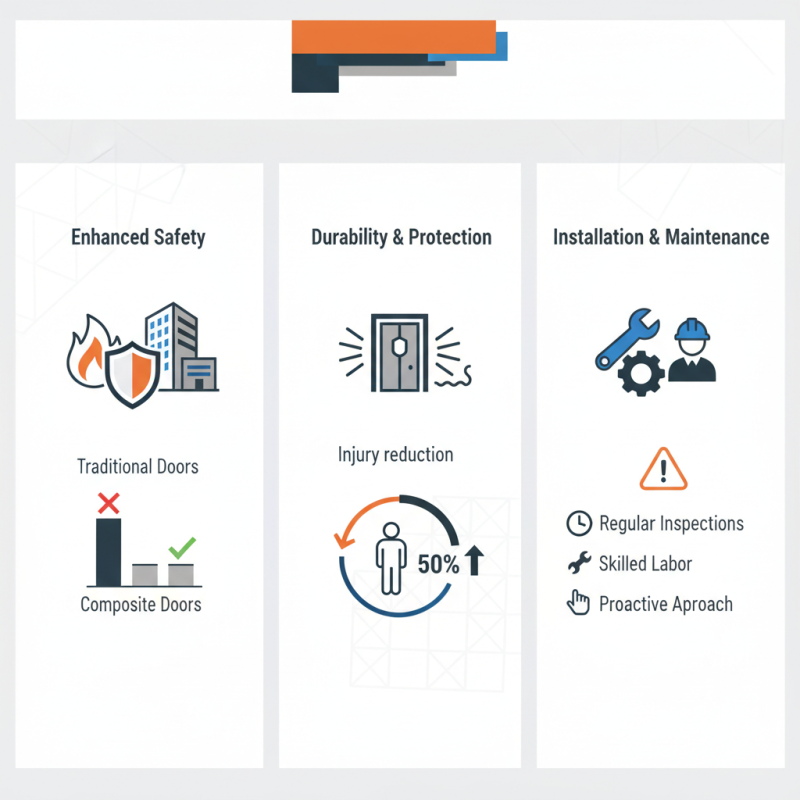
The durability of composite fireproof doors is notable. They can withstand extreme temperatures and prevent the spread of flames and smoke. This quality is essential in commercial buildings where high traffic and dense occupancy increase fire risks. A study by the Fire Protection Research Foundation reveals that proper fire door installations reduce the risk of injury by up to 50%. However, not all composite fireproof doors are created equal. Building owners must ensure compliance with safety standards to maximize their effectiveness.
Furthermore, while composite fireproof doors offer many advantages, there are still challenges. Installation can be complex, requiring skilled labor. Regular maintenance and inspections are vital to ensure they perform as expected. A lack of awareness about these needs may lead to underperformance in fire situations. A proactive approach is necessary to ensure that these doors fulfill their purpose effectively.
Understanding Composite Fireproof Doors: An Overview
Composite fireproof doors are essential for modern safety standards. These doors combine materials to enhance fire resistance while maintaining structural integrity. They often include a core made of mineral or steel materials, providing better fire protection than traditional wood or hollow-core doors. The exterior can be made of various materials, offering aesthetic flexibility for different environments.
One critical factor is their reliable performance during a fire. These doors are tested under rigorous conditions. They resist heat and flames, helping to contain fires and protect escape routes. However, it is crucial to ensure proper installation to achieve fire ratings. If not installed correctly, even the best doors may fail when needed. Regular maintenance is also vital. Over time, seals may degrade, compromising their effectiveness.
Composite fireproof doors can be cost-effective, especially when considering their longevity and durability. They resist warping and wear, making them a sound investment for safety. However, the initial cost may deter some property owners. Balancing upfront expenses with long-term benefits requires careful thought. Achieving the right choice involves weighing all factors, including safety, durability, and aesthetic appeal.
What Are the Benefits of Composite Fireproof Doors for Safety?
| Benefits | Description |
| Fire Resistance | Composite fireproof doors are designed to withstand high temperatures, providing essential protection during a fire. |
| Durability | Made from strong materials, these doors are less prone to damage, ensuring longevity and consistent performance over time. |
| Cost-Effectiveness | Although initial costs may be higher, the long-term savings from reduced maintenance and replacements make them economical. |
| Aesthetic Options | Available in various designs and finishes, they can enhance the visual appeal of any building while providing safety. |
| Noise Reduction | These doors also offer sound insulation properties, contributing to a quieter indoor environment. |
| Environmentally Friendly | Many composite fireproof doors are made from recycled materials, reducing environmental impact. |
Key Materials Used in Composite Fireproof Doors
Composite fireproof doors are gaining popularity due to their unique blend of materials. These doors often combine steel, wood, and fiberglass, offering superior fire resistance. According to a report from the National Fire Protection Association, composite doors can withstand fire for up to 90 minutes. This rating makes them an excellent choice for commercial and residential buildings alike.
Steel is a primary component, providing strength and durability. It resists warping or cracking under extreme heat. Wood adds an aesthetic appeal while contributing to the door's insulation properties. Fiberglass enhances moisture resistance, ensuring longevity. Each material serves a specific purpose, resulting in a robust fireproof barrier.
**Tip:** When choosing composite fireproof doors, consider the environment. Different materials may perform better in various climates. Ensure that the door meets your local fire codes.
While composite doors are efficient, improper installation can lead to vulnerabilities. Engage professionals who understand building codes and proper sealing techniques. A well-installed door enhances safety and can save lives in emergencies. Remember, the right materials and expert installation together create a reliable safety solution.
Benefits of Composite Fireproof Doors for Safety
This chart depicts the various benefits of composite fireproof doors, showcasing their effectiveness in enhancing safety across different dimensions.
How Composite Fireproof Doors Enhance Fire Safety
Composite fireproof doors are becoming increasingly popular due to their numerous safety benefits. Made from a combination of materials, these doors effectively resist fire and smoke for a longer duration, significantly enhancing building safety. The materials used, like composite wood and steel, offer superior strength while keeping weight manageable, thus ensuring easy installation.
Tips: Regular maintenance is vital. Often, doors might show wear but still function well. Check seals and hinges frequently. Even a small issue can become a major problem if neglected.
In addition to their fire-resistant properties, composite doors provide excellent insulation. They help maintain temperature and reduce energy costs. Homeowners often overlook this aspect but insulating doors can lead to significant savings over time. Consider this facet when assessing overall safety.
Tips: Think about the choice of color and finish. A reflective surface can improve visibility in low-light situations. Always prioritize safety features over aesthetic appeal; functionality should come first. Making informed decisions can greatly affect overall safety in various environments.
Advantages of Using Composite Fireproof Doors in Buildings
Composite fireproof doors offer significant advantages for building safety. These doors are engineered with multiple materials, enhancing their resistance to fire. They are tested against strict fire safety standards, ensuring they can withstand extreme temperatures. This durability helps protect both lives and property during a fire.
Incorporating these doors into a building's design can greatly increase safety. Their insulation properties limit heat transfer, reducing the spread of flames. Moreover, composite fireproof doors create safer escape routes, which is essential for evacuation. However, it's important to note that while they provide excellent protection, regular maintenance is crucial to ensure their effectiveness over time. Sometimes, their complex installation can lead to challenges, creating points for reflection on future improvements.
Comparative Analysis: Composite vs. Traditional Fireproof Doors
When comparing composite fireproof doors to traditional options, several key factors emerge. Composite doors often combine materials like steel and reinforced plastic, enhancing durability and resistance to fire. This fusion provides a lightweight yet strong structure, making installation easier and safe. Traditional fireproof doors, usually made of heavy steel, can be cumbersome. The extra weight may lead to complications in everyday use and maintenance.
In terms of safety, composite doors excel with their advanced thermal insulation. They prevent heat transfer more effectively than traditional designs. This feature minimizes fire spread while adding soundproofing benefits. Many users find composite doors aesthetically pleasing. They are available in various colors and finishes, suiting different architectural styles. However, not all composite doors are equal. Some may lack certification for fire resistance, raising safety concerns.
Cost is another consideration. Composite options may have a higher upfront cost, but their longevity can offset this. While traditional doors might seem cheaper initially, maintenance and replacement costs could add up over time. Still, consumers should evaluate the specific needs and potential risks related to fire safety in their environment. Balancing aesthetic appeal, functionality, and safety is essential when making a choice.

 24 Hour Service