What Are the Benefits of Using Armoured Cable for Wiring?
In today's world, the importance of reliable electrical wiring cannot be overstated. Armoured cable has emerged as a robust solution for various wiring needs. John Smith, a leading expert in electrical infrastructure, emphasizes, “Armoured cable offers unparalleled protection and durability in challenging environments.” This highlights the cable’s crucial role across many industries.
Armoured cable is designed to withstand physical damage and harsh conditions. Its protective layer consists of steel or aluminum, ensuring safety in diverse applications. This is particularly vital in construction sites or industrial settings. More than just a protective measure, it reduces the risk of electrical failures. Enhanced reliability means reduced maintenance costs over time.
While the advantages are clear, there is room for improvement in materials and installation techniques. Some may question the cost-effectiveness of armoured cable in specific scenarios. As we explore its benefits, we must reflect on how advancements in technology can further enhance armoured cable's effectiveness. Understanding these complexities allows for informed decisions in wiring solutions.
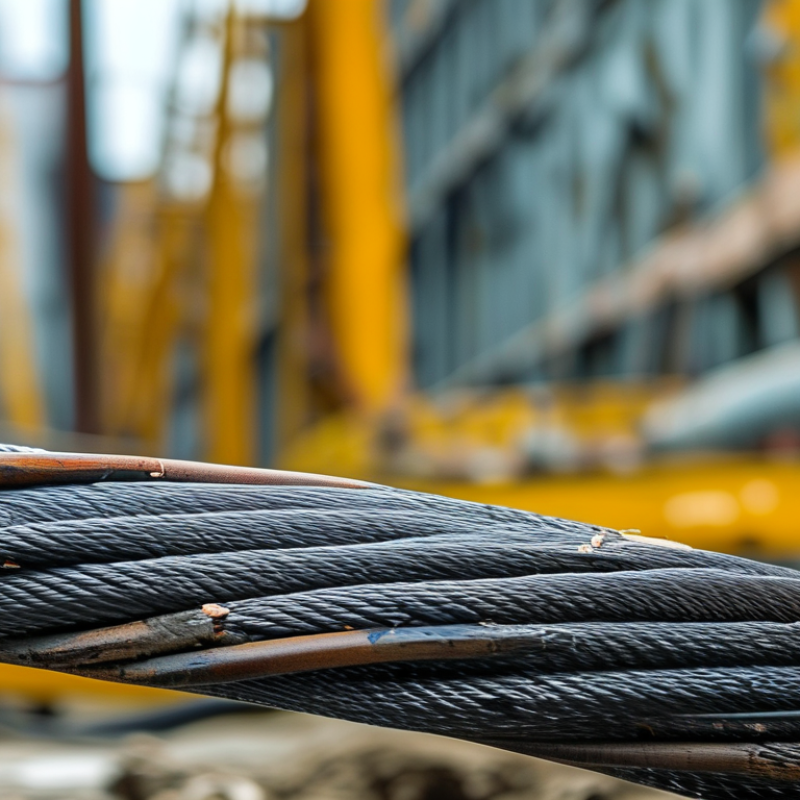
Benefits of Armoured Cable in Electrical Wiring
Armoured cable offers significant advantages for electrical wiring. It features a tough outer sheath, typically made from steel or aluminum. This provides enhanced protection against physical damage. For projects in harsh environments, this durability is crucial. The armouring can resist abrasion and impact. In areas exposed to water or chemicals, this cable type ensures safety and longevity.
Another vital benefit is its ability to reduce electromagnetic interference. The armouring acts as a shield, protecting the wires inside. This is essential for sensitive equipment in industrial areas. Moreover, armoured cables can be installed directly underground or in concrete, saving on additional conduit costs. However, installation requires skilled professionals. It can be more challenging to work with than standard cables.
While the benefits are clear, some may overlook the cost factor. Armoured cables tend to be pricier upfront. Yet, considering their lifespan and protection, the investment may pay off. Users should weigh the potential risks against the initial price. Balancing budget with safety needs is vital for informed decisions.
Comparison of Armoured Cable vs. Traditional Wiring Methods
Armoured cables have gained popularity as a reliable alternative to traditional wiring methods. The main difference lies in their enhanced protection against physical damage. According to a report by the National Electrical Manufacturers Association (NEMA), about 25% of electrical faults arise from wiring damage. Armoured cables reduce this risk significantly, making them suitable for industrial and outdoor applications.
Traditional wiring often involves vulnerable materials insulated by plastic, which can easily degrade or break under harsh conditions. In contrast, armoured cables incorporate layers of steel or aluminum, providing a robust barrier. A study by the International Electrotechnical Commission (IEC) highlights that installations using armoured cables showed a 40% decrease in maintenance costs over five years compared to conventional wiring methods.
Moreover, armoured cables are versatile. They can withstand extreme temperatures and exposure to chemicals. However, installation can be more complex and requires skilled professionals. This may lead to higher upfront costs. The trade-off often proves beneficial in the long run, as fewer replacements are necessary. Some users still hesitate due to the initial investment. Balancing immediate costs against durability is essential for informed decisions on wiring solutions.
Applications and Use Cases for Armoured Cable
Armoured cables are vital for many wiring applications. They consist of a durable outer layer that protects inner conductors. This design makes them suitable for harsh environments. You can find armoured cables in industrial settings, construction sites, and outdoor installations. These cables resist mechanical damage and corrosion, which enhances their reliability in various conditions.
In residential areas, armoured cables can be useful for powering outdoor lighting and garden features. Their robust construction prevents accidental cuts or abrasion often seen with regular cables. They also perform well in areas prone to rodent activity. This makes them a preferred choice among electricians for underground installations. Safety is paramount, and using armoured cable helps prevent potential electrical hazards.
Despite their benefits, armoured cables can be more difficult to work with. The installation process may require specialized tools. Additionally, the weight of the cables can make handling cumbersome. Some may argue that the added protection is not always necessary. Weighing performance against installation complexity is important for every project. Overall, armoured cables prove their worth in many situations.
Benefits of Using Armoured Cable for Wiring
This chart illustrates the various applications of armoured cables across different sectors, showcasing their importance in residential, commercial, industrial, agricultural, and marine environments. The percentages reflect the relative use of armoured cables in these applications, highlighting their versatility and robustness in various wiring setups.
Safety Features and Durability of Armoured Cable
When it comes to wiring, armoured cables are a protective choice. Their outer casing, often made from steel or aluminum, safeguards the internal wires from physical damage. This is crucial in environments where heavy equipment operates or where cables could be exposed to accidental impacts. Furthermore, the robust design ensures a higher level of durability than standard cables, making them ideal for both indoor and outdoor use.
Safety features of armoured cables stand out in many aspects. They are designed to withstand harsh conditions, from extreme temperatures to moisture and chemical exposure. This resilience minimizes risks of short circuits and electrical fires. The additional layer of protection can prevent electrical hazards, offering peace of mind to users in demanding settings like construction sites or industrial facilities.
Despite their advantages, some may find armoured cables harder to install due to their sturdiness. The weight and rigidity require careful handling and specific tools, which might deter some users. Additionally, the initial cost can be higher than standard wiring options, leading to debates about long-term benefits. Evaluating these factors is crucial for anyone considering their use.
Cost-Effectiveness of Installing Armoured Cable Systems
Armoured cable systems offer substantial cost-effectiveness for wiring projects. Unlike traditional cables, they provide enhanced protection against physical damage. This durability reduces the likelihood of costly repairs or replacements. According to a recent industry report, using armoured cables can decrease maintenance costs by up to 30%. This is significant, especially in environments prone to harsh conditions.
Installation costs can also be lower over time. Armoured cables often require less frequent inspections. In some cases, they can last up to twice as long as non-armoured options. This longevity offers long-term savings, despite a higher initial investment. A study by the Cable and Wire Manufacturers Association highlighted that initial costs could be offset in five years through reduced maintenance and replacement needs.
However, it's important to acknowledge potential downsides. Installation can be more labor-intensive due to the cable's robustness. Improper handling during installation can lead to performance issues. Careful planning is essential to maximize the benefits. Weighing these factors against potential costs is critical in making informed decisions.

 24 Hour Service