Essential Guide to Air Compressor Repair: 7 Common Issues and Their Solutions Backed by Industry Data
In the world of industrial machinery and home improvement, understanding the intricacies of air compressor repair is crucial for ensuring optimal performance and longevity of your equipment. With the widespread use of air compressors in various applications, from powering tools to supporting pneumatic systems, identifying and resolving common issues can save time and money. Our guide delves into seven prevalent problems associated with air compressors, each meticulously backed by industry data, to provide you with practical solutions and preventative tips.
Whether you're a seasoned technician or a DIY enthusiast, mastering the art of air compressor repair will not only enhance your skill set but also empower you to maintain your equipment effectively and efficiently. Discover the insights that will keep your air compressor running smoothly for years to come.
Common Air Compressor Problems: Diagnosing Issues with Industry Insights
Air compressors play a vital role in various industries, but diagnosing common issues can be challenging without the right insights. Based on industry data, several frequent problems can lead to inefficiencies. For instance, inadequate lubrication is a leading cause of premature wear, often resulting from improper maintenance schedules. Studies show that 40% of air compressor failures can be attributed to insufficient oil levels or the use of incorrect lubricants. Regular checks and changing oil according to manufacturer recommendations is crucial for longevity.
Another common issue involves pressure drops due to leaks in the system. Data indicate that even small leaks can account for a significant loss of efficiency, with estimates suggesting that even a 1/8-inch leak can waste around 30 CFM of air. Technicians should routinely inspect connections and fittings, utilizing soapy water as a leak detection method.
**Tips:** Keep meticulous maintenance records to track oil changes and filter replacements efficiently. Additionally, consider integrating generative AI tools that analyze performance data to predict failures, improving overall maintenance strategies. By harnessing such technology, businesses can diagnose issues proactively, ensuring smoother operations and minimizing downtime.
Understanding Noise Levels: When Sound Signals Trouble in Air Compressors
Noise levels in air compressors can be a crucial indicator of underlying issues that may need immediate attention. When an air compressor operates within a normal range, it typically produces consistent and moderate sound levels. However, excessive noise can signal mechanical problems, such as worn-out bearings, misaligned parts, or leaks in the system. Identifying the source of the noise is essential, as it can prevent further damage and costly repairs.
Understanding the decibel levels associated with air compressor operation is vital for maintenance and safety. Most compressors operate at 70-90 dB, but anything exceeding this can indicate trouble. Operators should be keen on unusual sounds, such as rattling, grinding, or knocking, which often point to specific issues like loose components or failing parts. Regular monitoring of noise levels not only prolongs the lifespan of the equipment but also ensures a safe working environment, ultimately contributing to the overall efficiency of operations.
Air Intake Blockages: Causes, Symptoms, and Quick Fixes for Performance Boost
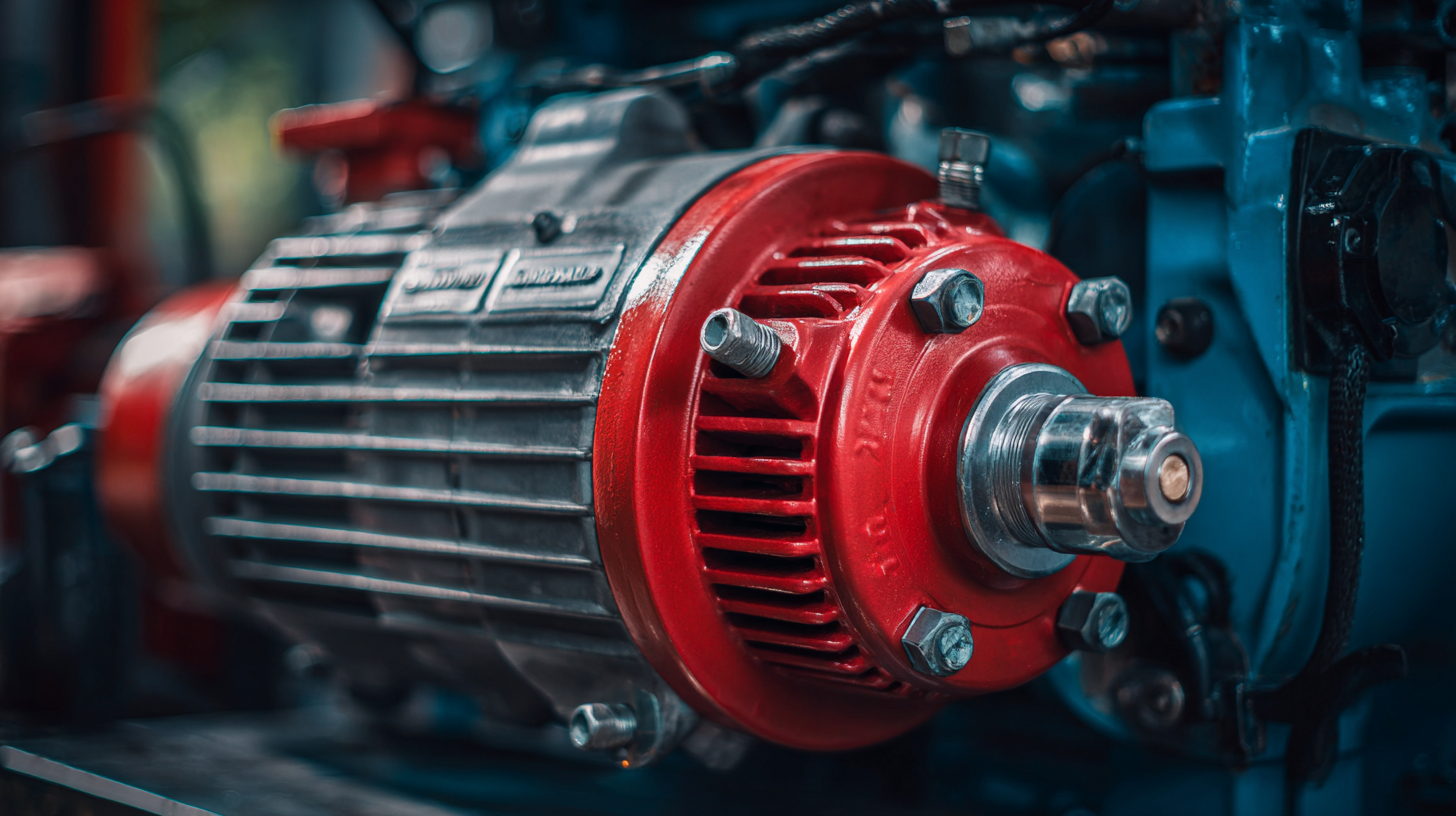 Air intake blockages in air compressors can severely hamper performance and efficiency. According to a report by the Compressed Air and Gas Institute (CAGI), nearly 30% of all compressor inefficiencies can be traced back to air intake issues. These blockages can be caused by various factors, including dirt, debris, and even improper maintenance. Symptoms of air intake blockages often manifest as reduced pressure output, elevated energy consumption, and unusual noises coming from the compressor. Identifying these symptoms early can prevent costly repairs and downtime.
To address air intake blockages effectively, here's a quick tip: regularly inspect and clean the air intake filter and surrounding area to ensure unobstructed airflow. Additionally, consider installing an air filtration system, as it can trap contaminants before they reach the compressor. CAGI’s findings suggest that maintenance measures like these can improve compressor efficiency by up to 15%.
Another useful tip is to conduct routine performance audits to monitor compressor function. By evaluating pressure levels and energy consumption regularly, you can spot potential blockages before they escalate. Implementing these proactive strategies not only enhances performance but also prolongs the lifespan of your air compressor, ultimately contributing to your operational efficiency.
The Importance of Regular Maintenance: Preventing Common Failures in Compressors
Regular maintenance is crucial for the longevity and efficiency of air compressors and HVAC systems. In recent industry reports, over 70% of compressor failures are attributed to a lack of regular upkeep. By conducting routine check-ups and addressing minor issues before they escalate, equipment reliability improves significantly. For instance, a well-maintained compressor can reduce energy consumption by up to 30%, highlighting the financial benefits of preventive measures.
**Tips for Maintenance**: Ensure that air filters are cleaned or replaced every month to prevent airflow restrictions, which can lead to overheating and failures. Additionally, check for refrigerant leaks and keep your compressor clean to avoid debris buildup that can hinder performance.
Understanding the common causes of compressor failures, such as pressure build-up or refrigerant leaks—similar to the issues reported in a recent compressor failure at a natural gas field—can help mitigate risks. By adopting proactive strategies, one can avoid the costly repairs and downtime associated with such failures, ultimately enhancing safety and efficiency in both home and industrial settings.
Common Issues in Air Compressors and Their Frequency of Occurrence
This chart represents the frequency of common issues encountered in air compressors, illustrating the importance of regular maintenance and timely repairs to enhance reliability and efficiency.
Efficiency Tips: Enhancing Air Compressor Performance Through Smart Practices
Maximizing the efficiency of air compressors is crucial, especially as the global market is projected to grow significantly over the next decade. One of the most effective ways to enhance performance is through regular maintenance. Simple practices such as checking and changing air filters can greatly improve airflow and compressor efficiency. Ensuring the system is free from leaks and that connections are tight also contributes to optimal performance and energy savings.
In addition to maintenance, operating the compressor within its designed limits is vital. Overloading the system can lead to premature wear and increased energy consumption. Utilizing automation and monitoring technologies can help users track performance metrics, enabling them to make informed adjustments that enhance productivity. Adopting such smart practices not only improves the lifespan of the equipment but also aligns with the growing emphasis on sustainable operation in the industry.

 24 Hour Service