Why is Aeration Process Essential in Wastewater Treatment?
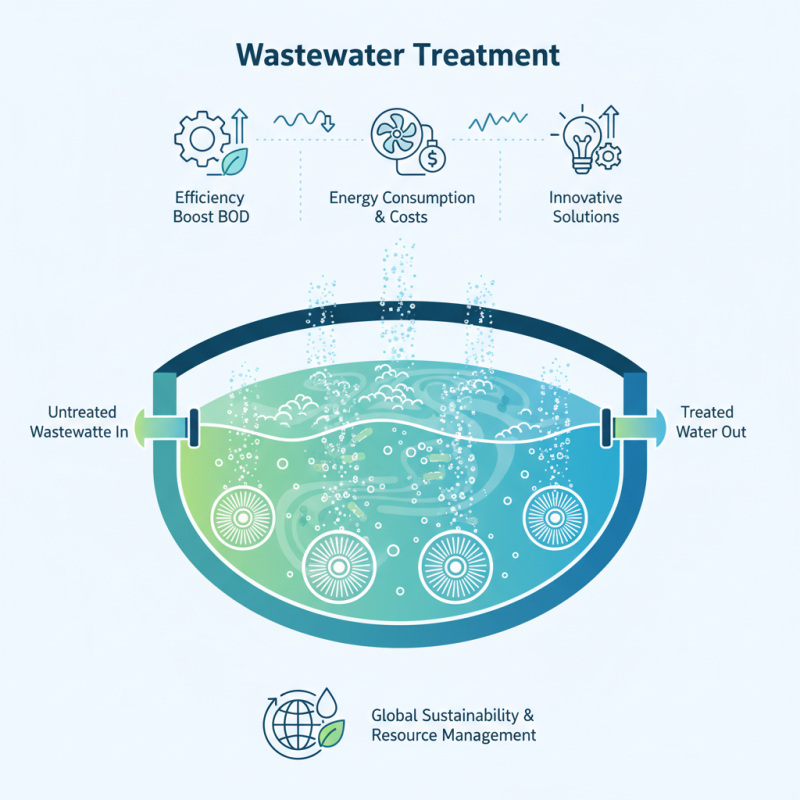
The Aeration Process In Wastewater Treatment is a crucial component in maintaining environmental sustainability. According to the U.S. Environmental Protection Agency, effective aeration can enhance the treatment efficiency by up to 60% and significantly reduce the biochemical oxygen demand (BOD) in wastewater. This process involves introducing air or oxygen into the water, supporting the growth of aerobic microorganisms that break down organic pollutants.
Recent studies highlight that nearly 70% of wastewater treatment plants utilize aeration techniques. However, challenges remain. Energy consumption during aeration contributes to high operational costs, leading to a need for innovative solutions. Moreover, varying treatment conditions can impact the efficiency of the aeration process, often resulting in suboptimal performance.
The need for improvement is evident. While aeration systems are generally reliable, they require ongoing assessment and adjustment. In a world increasingly focused on sustainability, optimizing the Aeration Process in Wastewater Treatment will be vital in addressing both ecological concerns and resource management.
Understanding the Aeration Process in Wastewater Treatment
Aeration is a crucial step in wastewater treatment. It involves introducing air into the water to promote the growth of microorganisms. These tiny organisms break down organic matter, converting it into simpler, less harmful substances. At its core, the aeration process enhances the biological treatment of wastewater.
In practical terms, aeration systems can vary widely. Some use diffusers placed at the bottom of treatment tanks, while others rely on mechanical aerators. Each method has its pros and cons. Effective aeration must balance oxygen supply with energy consumption. Too much aeration can lead to excessive costs. On the other hand, inadequate aeration hinders microbial activity.
Understanding the optimal aeration levels is not straightforward. Factors such as water temperature, organic load, and flow rate play significant roles. Sometimes, operators face challenges in monitoring these conditions. Commitment to continuous learning and adjustment is essential. This adaptability helps improve treatment efficiency over time.
Importance of Aeration Process in Wastewater Treatment
The Role of Aeration in Biological Treatment Systems
Aeration plays a crucial role in biological wastewater treatment systems. It enables the effective breakdown of organic pollutants by microorganisms. This process enhances oxygen transfer, which is vital for aerobic bacteria. According to the U.S. EPA, about 50% of energy costs in wastewater treatment plants come from aeration. Thus, optimizing this process is key for efficiency.
In aeration tanks, oxygen-rich conditions support microbial growth. These microorganisms metabolize organic matter, reducing biochemical oxygen demand (BOD). Studies show that proper aeration can achieve BOD reductions of up to 90%. However, over-aeration can lead to unnecessary energy expenditure. Striking a balance remains a challenge for many treatment facilities.
Monitoring dissolved oxygen levels is essential for aeration efficiency. A recent report indicated that maintaining dissolved oxygen above 2 mg/L significantly improves treatment outcomes. Yet, continuous monitoring systems can sometimes fail, leading to fluctuations. Operators must regularly calibrate equipment to ensure consistent performance. This reflects the need for more robust infrastructure in wastewater treatment processes.
Why is Aeration Process Essential in Wastewater Treatment? - The Role of Aeration in Biological Treatment Systems
| Parameter | Description | Importance | Typical Values |
| Oxygen Demand | Amount of oxygen needed by microorganisms for biological processes | Critical for effective breakdown of organic matter | 5-15 mg/L |
| Aeration Rate | Volume of air supplied to the wastewater per unit volume | Ensures sufficient oxygen for microbial activity | 1-2 m³ air/m³ wastewater |
| Retention Time | Time the wastewater remains in the aeration tank | Impacts treatment efficiency and microbial growth | 4-10 hours |
| Temperature | Heat influence on biological activity and oxygen solubility | Affects metabolic rates of microorganisms | 15-25 °C (optimal) |
Types of Aeration Techniques Used in Wastewater Management
Aeration is a vital step in wastewater treatment. It helps introduce oxygen into the water, promoting the growth of beneficial microorganisms. These microorganisms break down organic matter, making the water cleaner. Several aeration techniques can be used, each with unique advantages.
One popular method is surface aeration. This technique uses mechanical devices that agitate the water's surface to trap air. It is efficient but may be limited by weather conditions. Another technique is diffused aeration. Here, air is pumped through fine bubbles into the water. This method increases the contact surface area and enhances oxygen absorption.
When implementing aeration systems, several tips can improve performance:
- Regular maintenance checks are crucial to ensure the equipment operates effectively.
- Monitoring oxygen levels in the water helps determine the ideal aeration rate.
- Operators should remain open to testing new techniques to optimize treatment processes.
Each method has its pros and cons, and real-world trials can yield unexpected results.
Flexibility is key in wastewater management.
Benefits of Aeration for Reducing Contaminants in Water
Aeration is a critical process in wastewater treatment, greatly enhancing water quality. This technique introduces air or oxygen into the water, promoting the growth of beneficial microorganisms. These microorganisms feed on organic contaminants, effectively breaking them down. Research shows that adequate aeration can reduce biochemical oxygen demand (BOD) levels by up to 90%. This significant reduction helps in producing cleaner effluent.
The benefits of aeration extend beyond just contaminant reduction. It enhances nitrogen and phosphorus removal, essential for preventing eutrophication in receiving waters. According to a study published in the Journal of Environmental Management, systems with proper aeration can reduce total nitrogen levels by over 50%. This helps maintain ecological balance in rivers and lakes. However, not all aeration systems perform equally. Some facilities struggle with inadequate oxygen transfer efficiency, leading to suboptimal contaminant breakdown. This highlights the need for continuous monitoring and system improvement.
Despite its advantages, aeration can be energy-intensive. The operational costs should be balanced with performance improvements. Optimizing aeration systems requires careful consideration of energy usage and treatment efficiency. Exploring alternative methods, like using less energy-intensive diffusers, could address these concerns. This process must be evaluated regularly to achieve the best outcomes in wastewater treatment.
Factors Influencing Aeration Efficiency in Treatment Facilities
Aeration is a crucial step in wastewater treatment. It enhances the degradation of organic materials. However, the efficiency of this process depends on various factors. Understanding these factors can lead to better treatment outcomes.
One key factor is the type of aeration system used. Different systems, such as diffused or mechanical, provide varying oxygen transfer rates. The design and layout of these systems impact their effectiveness significantly. Another factor is the characteristics of the wastewater itself. High levels of organic matter can create challenges for aeration efficiency. Additionally, the presence of temperature fluctuations can affect oxygen solubility in water. Each treatment facility must adapt its aeration strategy based on these variables.
Another critical aspect is the operational parameters. Aeration time, rate, and mixing can greatly influence performance. Insufficient aeration can lead to incomplete treatment, while excessive aeration may waste energy. Operators must strike a balance. They often face challenges in adjusting these parameters. Regular monitoring is essential for maintaining optimal conditions. Yet, inconsistencies are common in practice. Understanding and addressing these factors can enhance the overall effectiveness of the aeration process in wastewater treatment.

 24 Hour Service